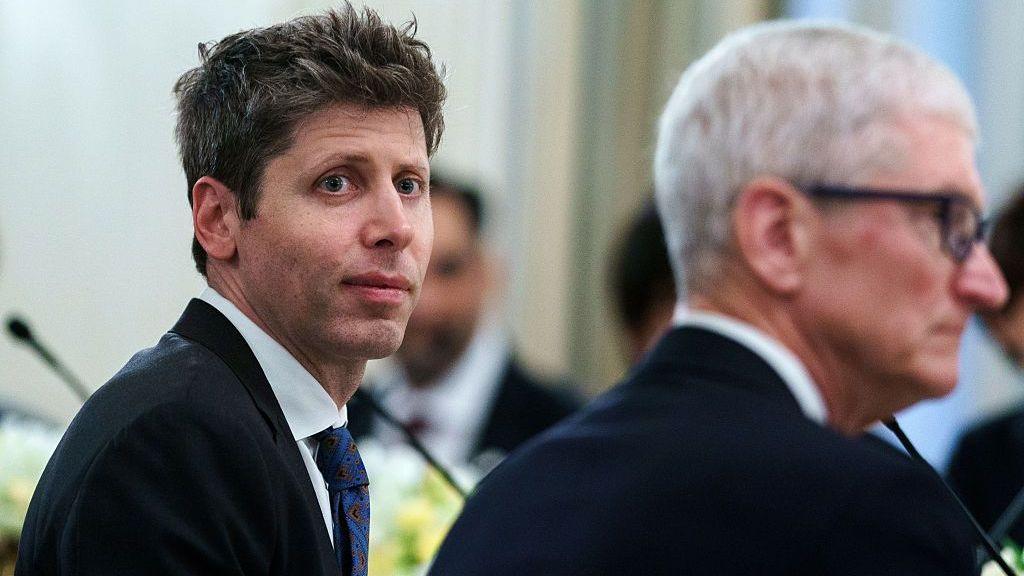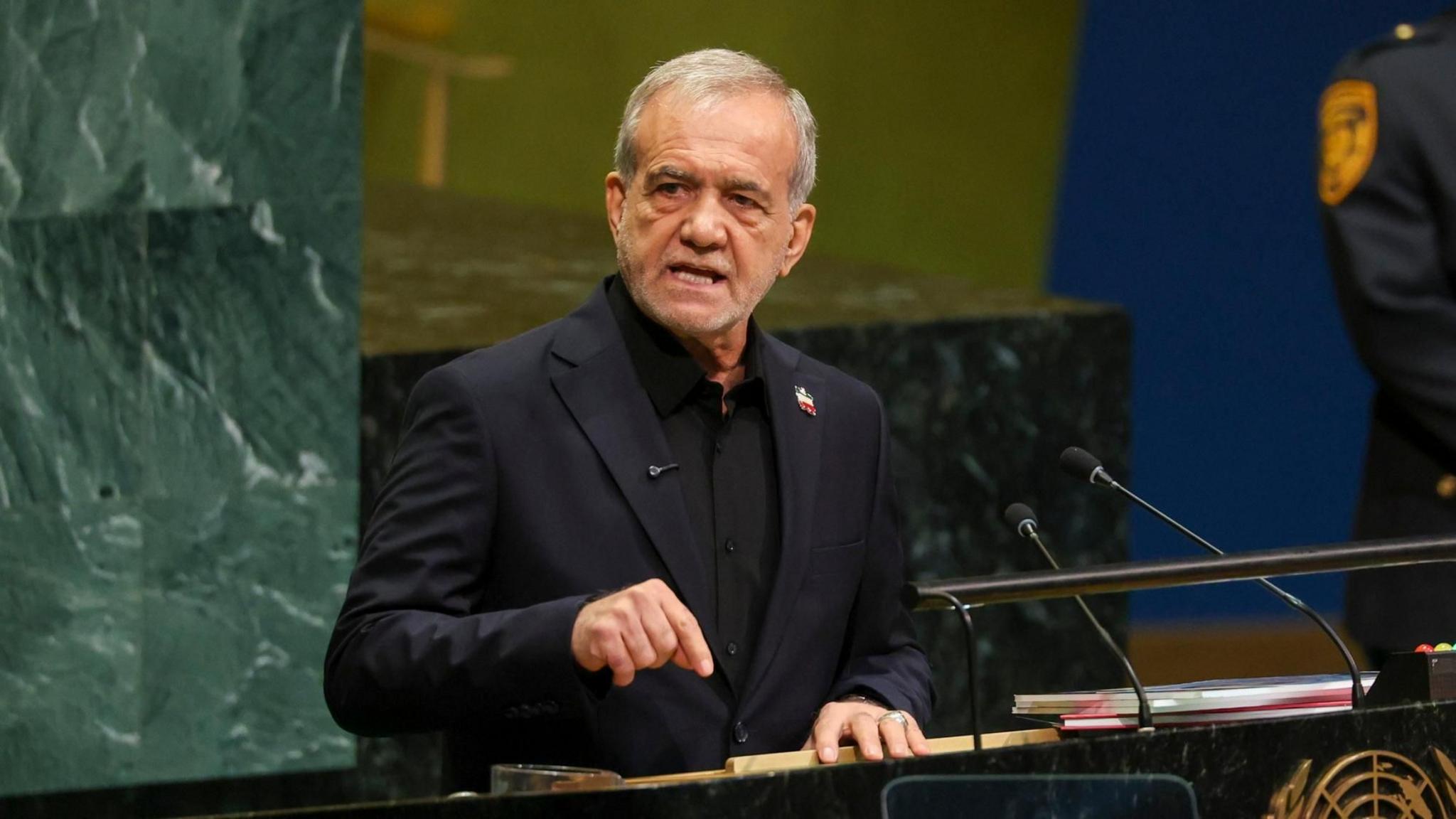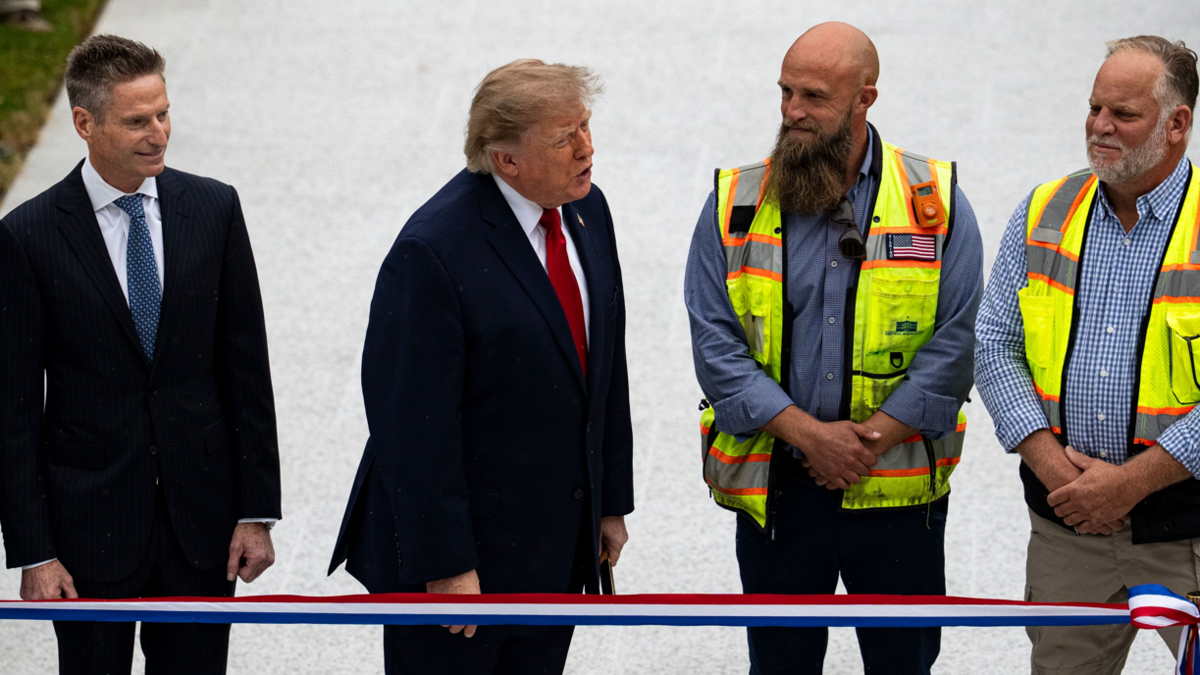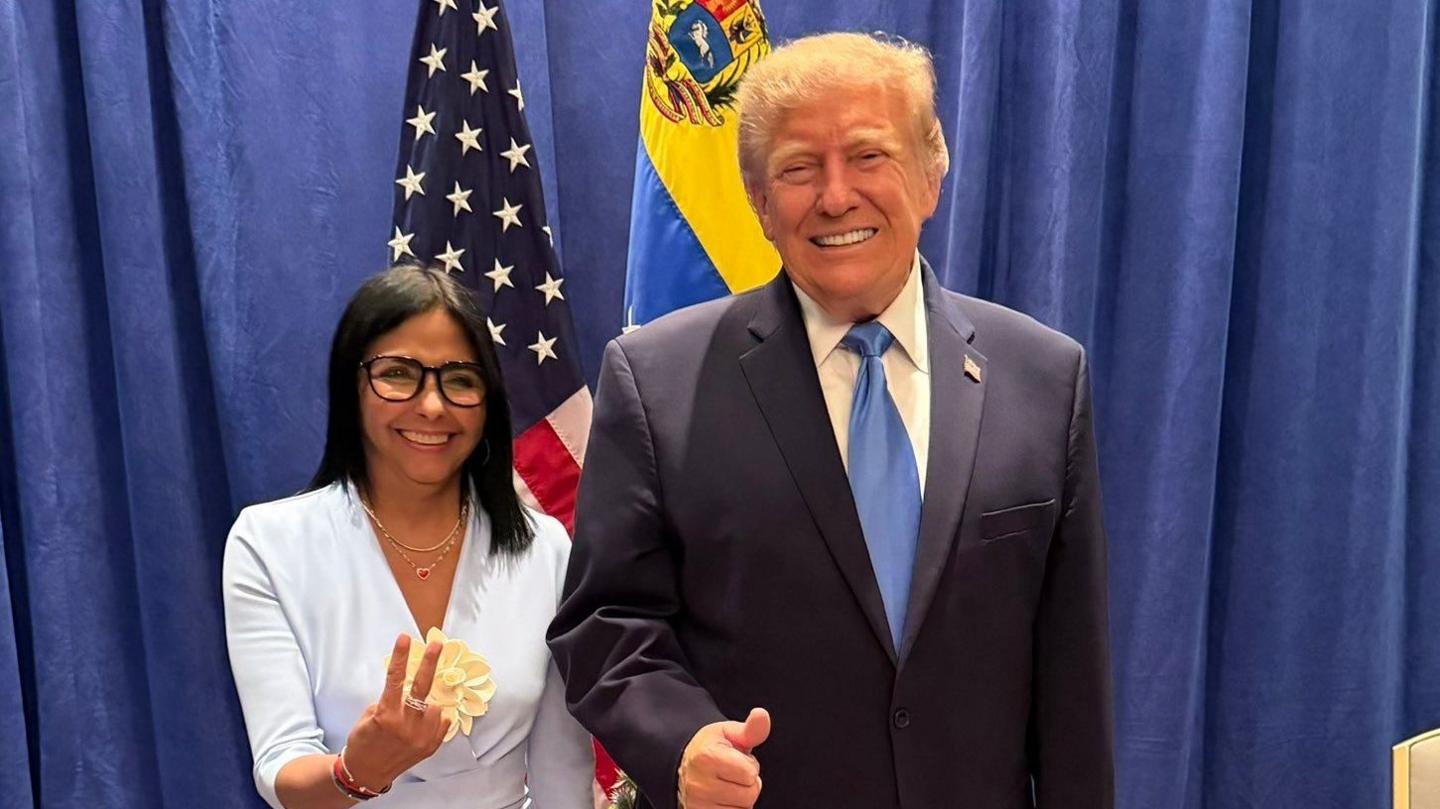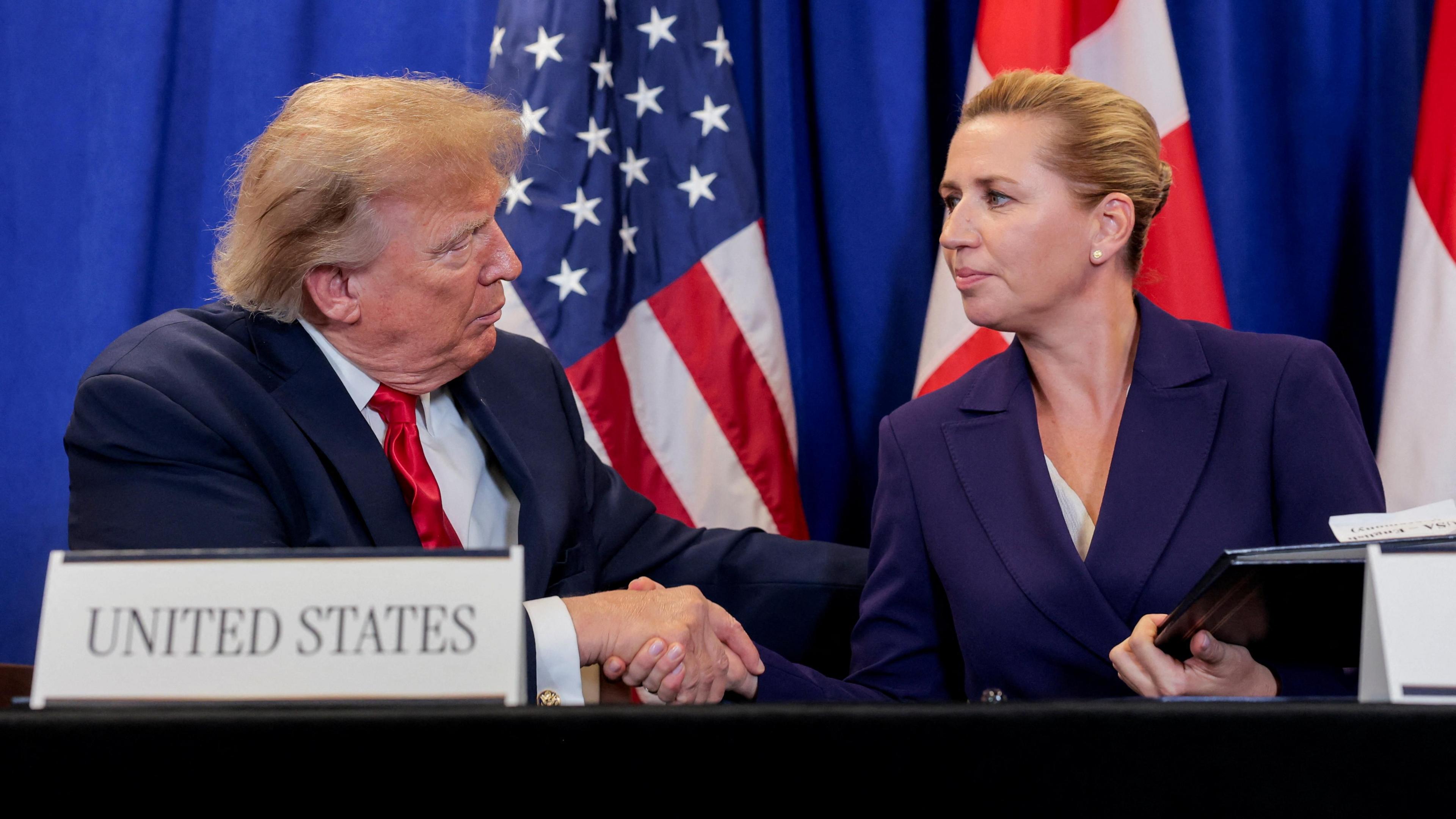
In an unprecedented UN session, a senior U.S. delegation and the Iranian foreign ministry met at the UN General Assembly in New York after Trump threatened to "annihilate" Iran if a peace deal failed. The talks, mediated by Qatar, were the first since a ceasefire collapsed in June.
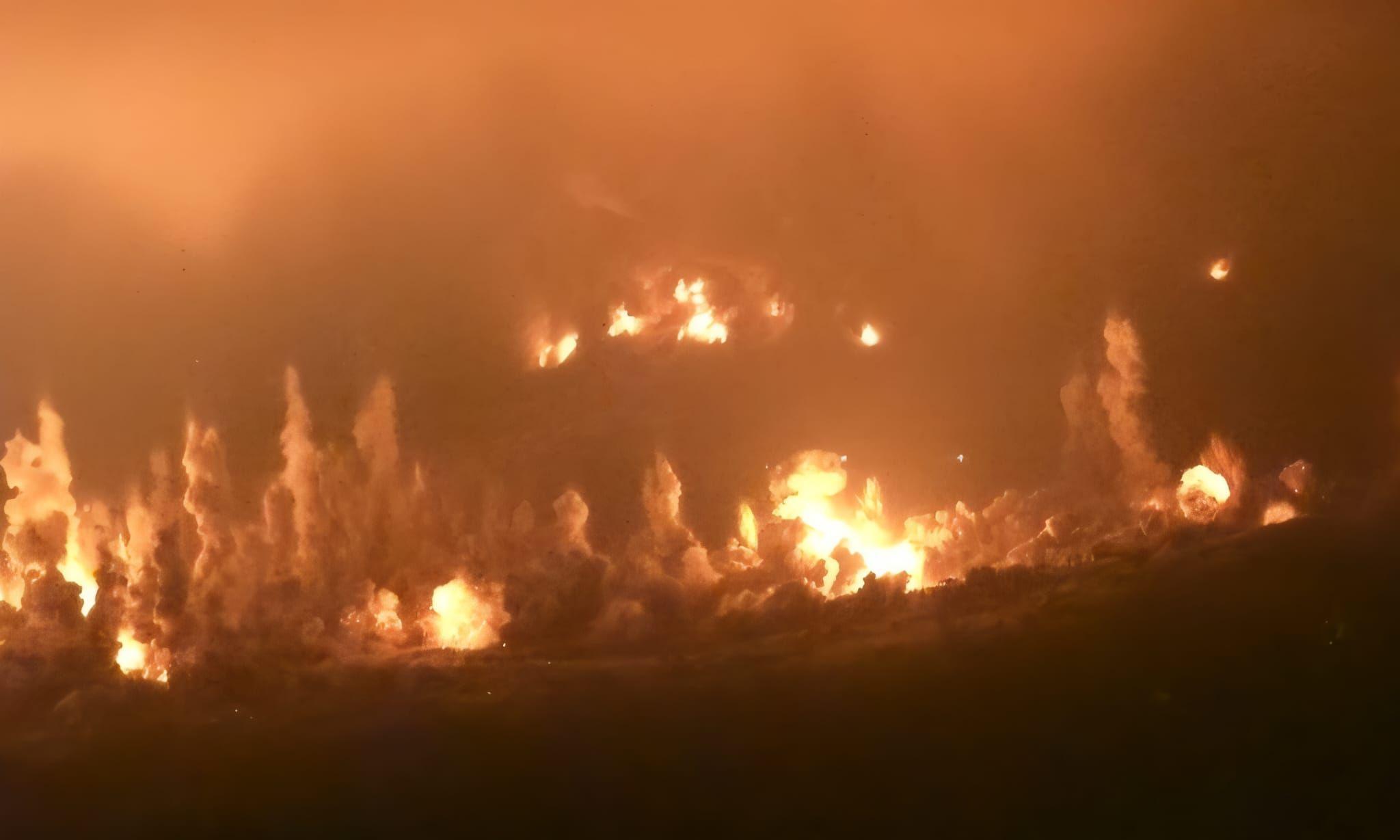
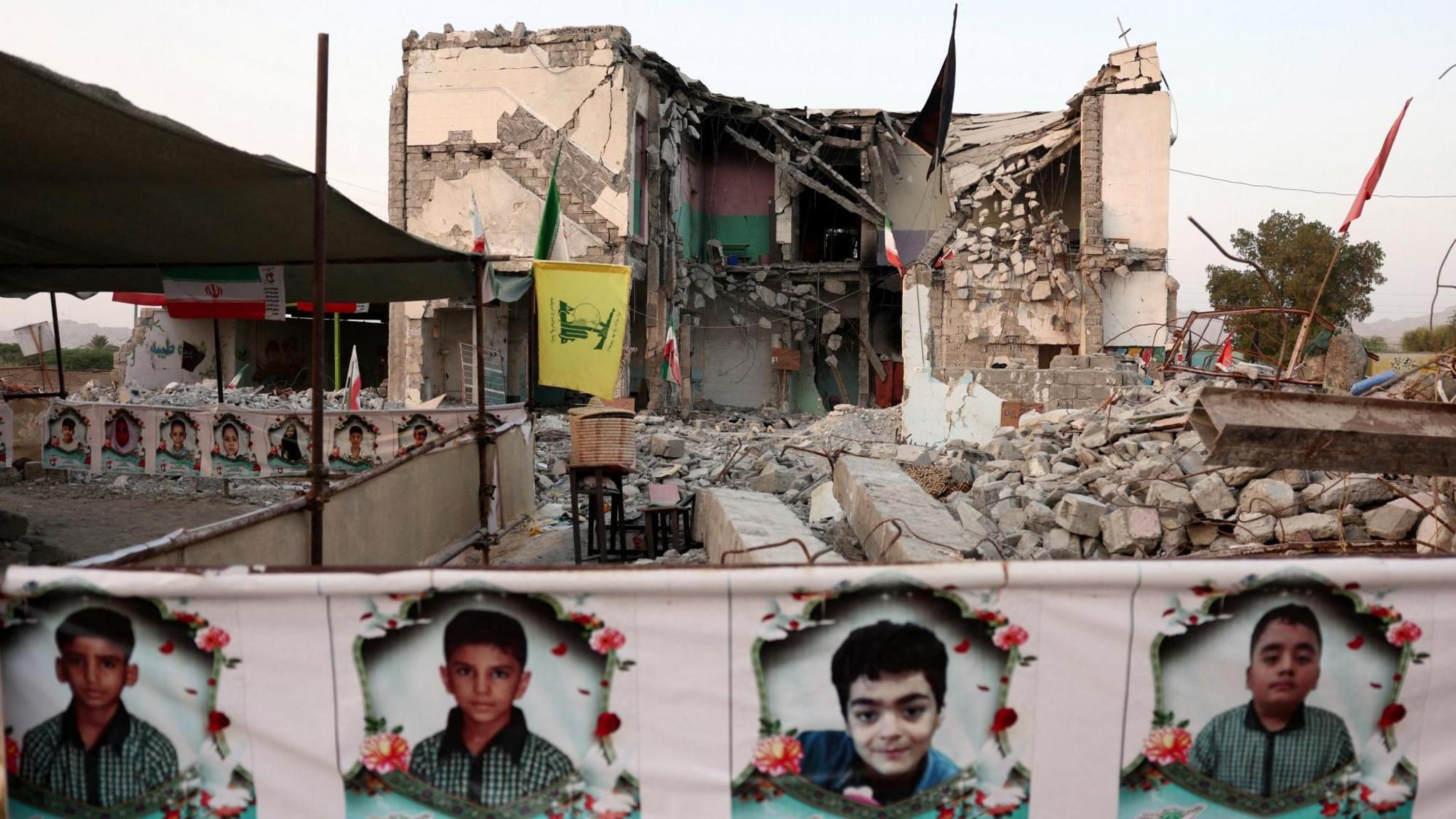
While diplomats reported the discussion as "constructive and promising," no substantive progress has been announced. Tehran demanded that the U.S. cease what it calls "acts of aggression," a reference to the February‑28 air raids on Iranian installations and subsequent naval confrontations.
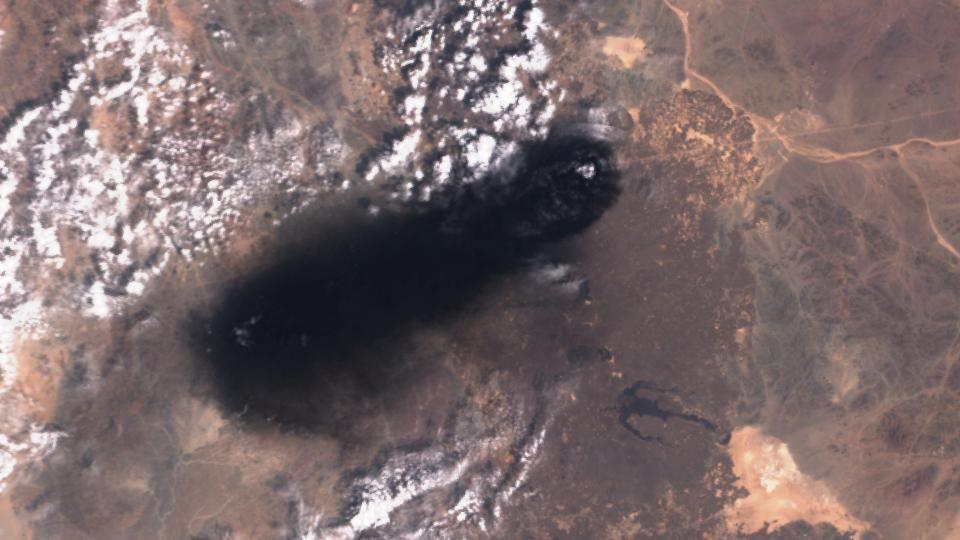
The conflict has interrupted about 20 % of the world’s oil and liquefied natural gas passing through the Strait of Hormuz. The closure has led to sharp price shocks that ripple through global economies and accelerate carbon emissions from increased heating and cooling demands.
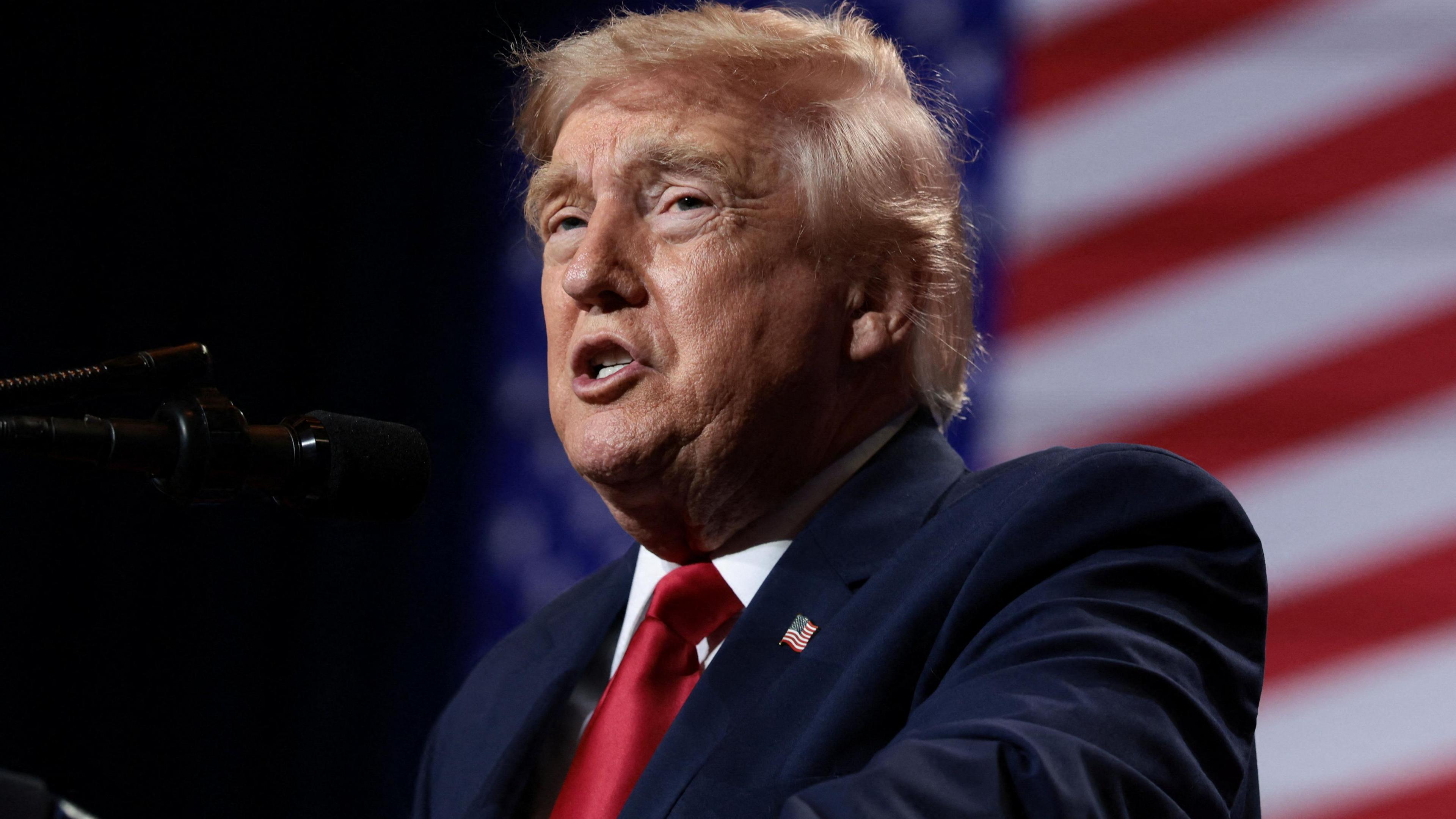
Trump’s address, delivered to UN delegates and American voters alike, framed the war as a necessary deterrent against Iran pursuing nuclear weapons, while advocating "peace through strength" rather than negotiation. He suggested a deal might materialise only after the November congressional elections.
Media reports and statements from the Iranian side confirm a meeting, yet the stakes remain high: a prolonged standoff could destabilise regional supply chains and threaten the fragile climate‑security framework adopted at COP27.

Even as the U.S. and Iran navigate hostilities on the global stage, the world watches closely. The potential for escalating clashes of coastal and aerial assets could further jeopardise already fragile energy corridors, exacerbating environmental degradation and delaying collective action against climate change.