Indian Pilot Heroic Response to Midflight Stabbing Saves 174 Lives
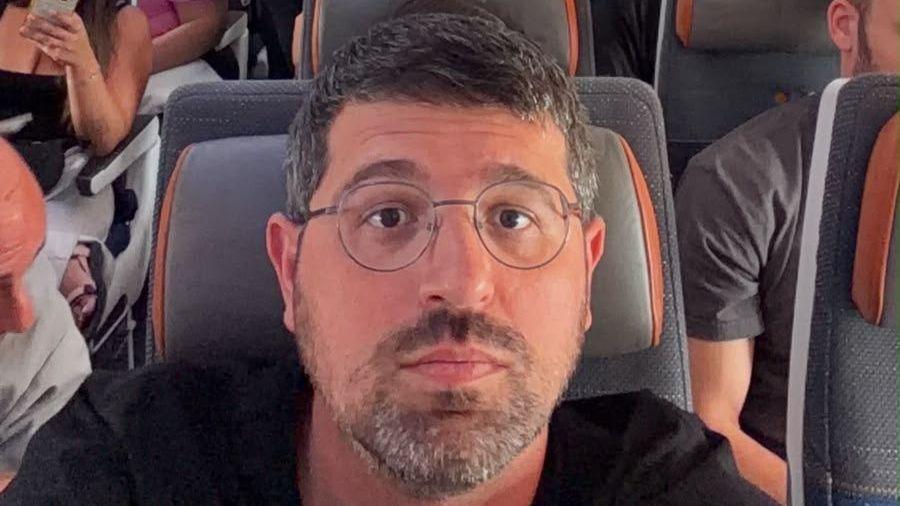
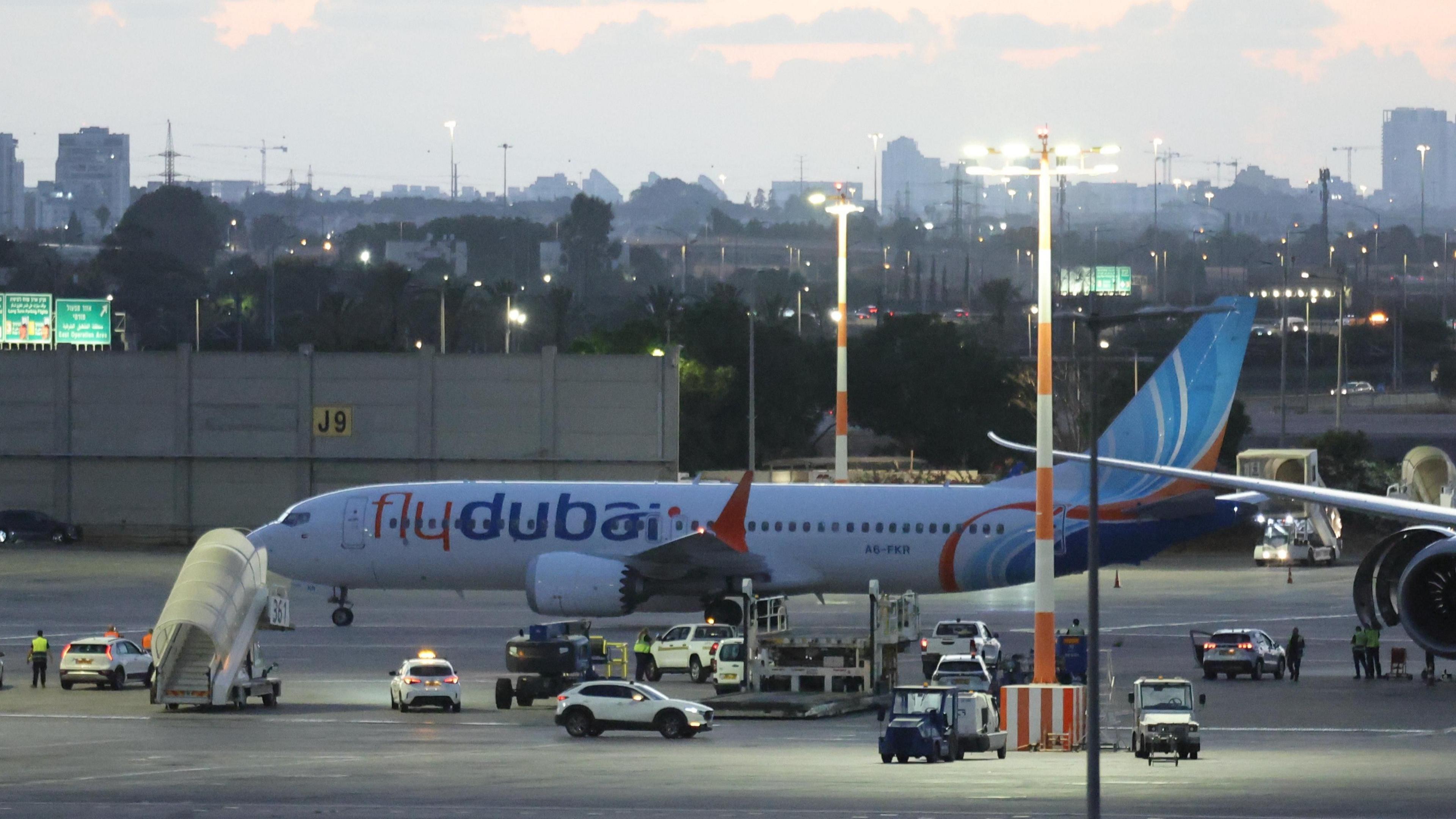
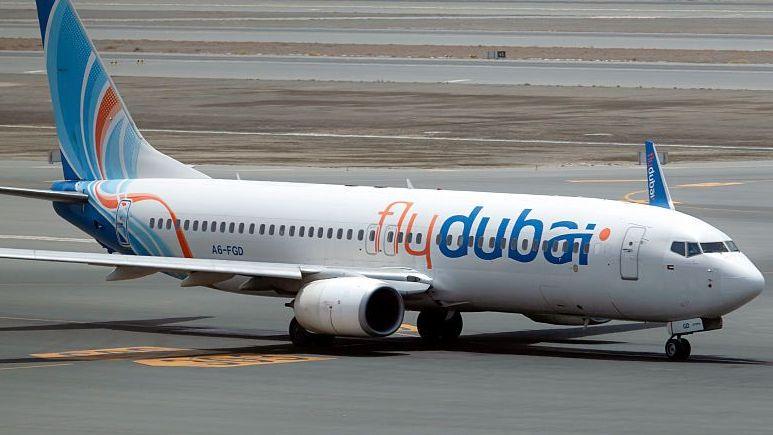
On 1 October 2026, a Flydubai Boeing 737 international flight from Dubai to Tel Aviv was rocked by a violent confrontation when one pilot stabbed another in the cockpit. Capt. Smit Machchhar, the pilot‑in‑command, was the victim of the assault. Despite being severely wounded, he remained focused on maintaining aircraft control.
The attack forced the aircraft to perform a rapid, uncontrolled descent of over 17,000 feet in just two minutes, triggering an emergency alert and a hijack code. A short time later the plane looped back into Saudi airspace, diverting to Tabuk Airport where it landed safely at 06:58 local time.
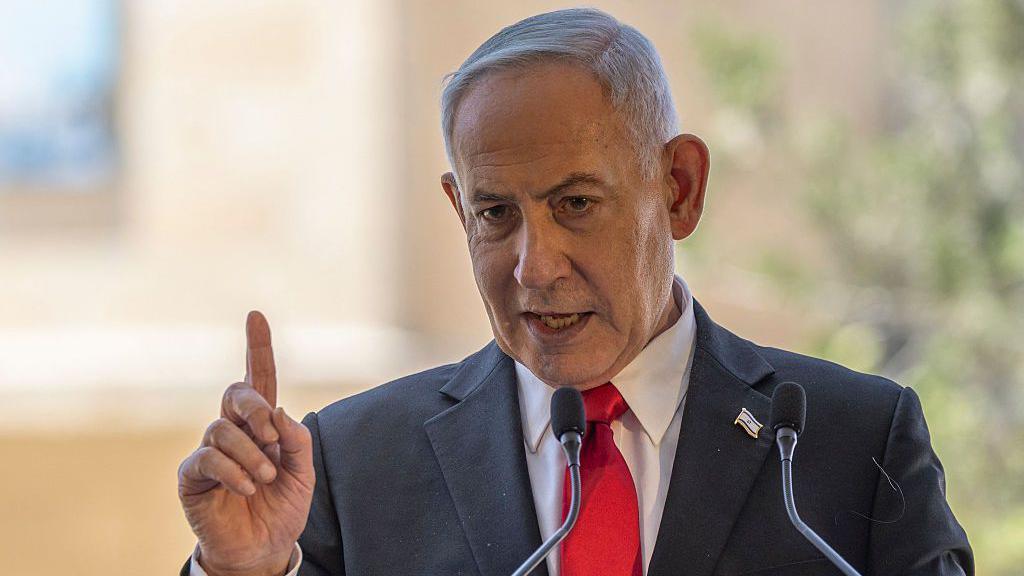
Indian authorities and the airline fleet’s executives praised Machchhar’s calm decision‑making. He managed to keep the aircraft stable, preventing a catastrophic crash and thereby saving the lives of 174 passengers and crew on board. His actions have been lauded by Prime Minister Narendra Modi, former President Donald Trump, and Israeli Prime Minister Benjamin Netanyahu, all highlighting the pilot’s “immense courage” and “unwavering resolve.”
In the broader context of aviation, the incident underscores the need for reinforced cockpit security protocols and updated crew‑resource‑management training, especially as the industry accelerates toward sustainable and net‑zero operations. Airline operators and international bodies are urged to review safety measures, ensuring that the pursuit of healthier, cleaner skies is not compromised by security gaps.
While the Indian embassy reported that Machchhar remained in stable condition at a Tabuk hospital, the incident sparked global conversations about how best to safeguard crew and passengers against emergent threats in an era of rapidly evolving aviation technology and heightened climate‑focused innovation.