In brief
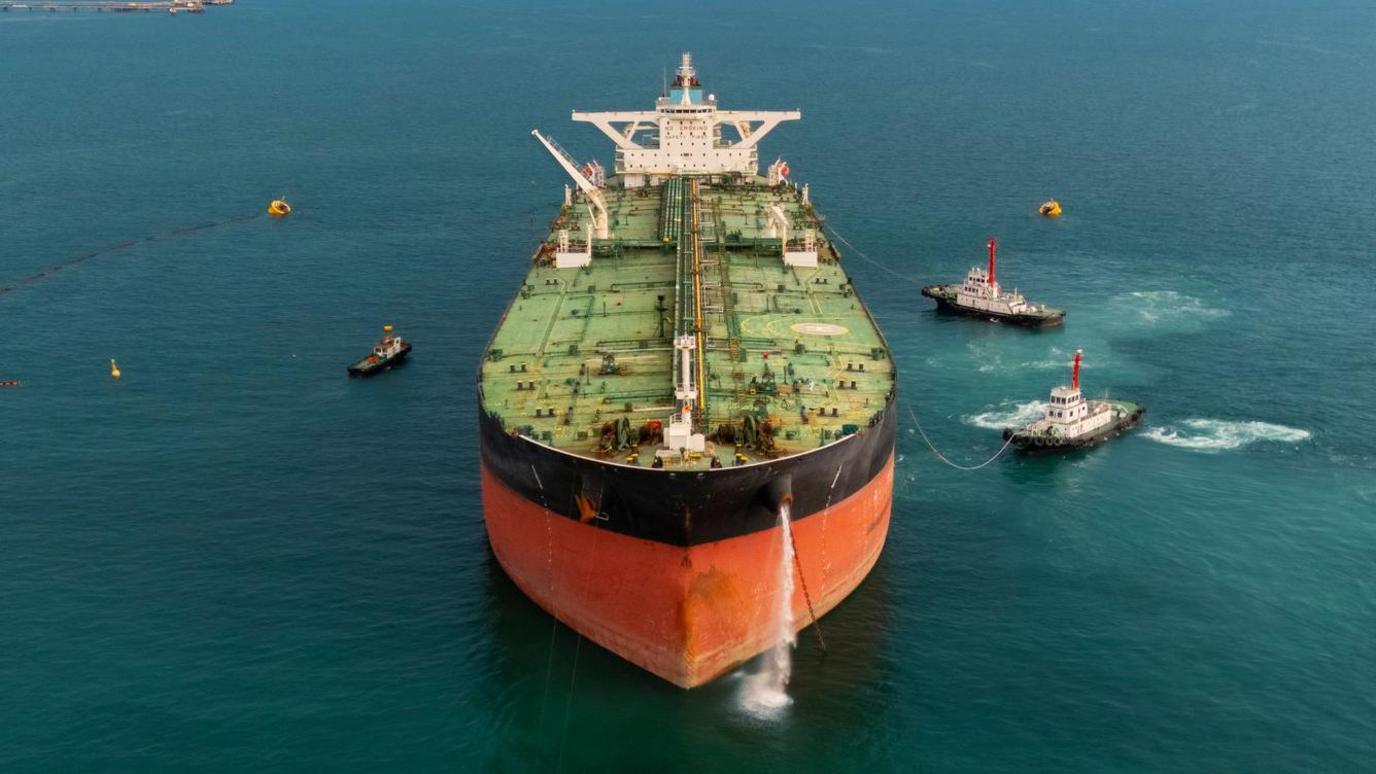
Mid‑2026 sees a surge in attacks on oil‑laden ships in the Red Sea, compound by Iran’s blockade of the Strait of Hormuz. The crisis has sapped daily traffic to fewer than 20 vessels, increased the risk of leaks, and forced tankers to traverse risky alternate routes. Analysts warn that the heavy reliance on these chokepoints could stall new green shipping innovations until political tensions ease.
Since the start of the Iran‑Saudi standoff, shipping corridors that carry a large fraction of the world’s crude have been hit by a sharp uptick in attacks and navigation restrictions.
Iran’s embargo of the Strait of Hormuz—once used by around 20% of global oil flows—has collapsed traffic from roughly 100 daily vessels to fewer than 20. “It’s the worst period for crude trade since the conflict began,” Matthew Wright of Kpler notes.
The crisis has spurred a shift to the Red Sea corridor, yet Houthi militia attacks along the Bab al‑Mandab Strait have further jeopardised safety. On 20 July the group announced a blockade of Saudi Arabian ports; one week later, UK maritime authorities logged several draconian strikes on commercial vessels.
The result is a steep drop in cargo through the alternative route — only about four crude‑loading vessels report daily, the lowest since the war commenced. Transponder‑silence is rising; many ships now turn off satellite tracking to avoid hostile detection, raising risks of uncontrolled spills.
Industry voices demand a solution. Tim Wilkins of Intertanko says the expanded threat zone “is impacting freedom of navigation.” Hapag‑Lloyd will monitor developments and may re‑route its fleet, but a return to normal flows could still take three to four months.
The crisis’s wider environmental toll is obvious. A single spill could damage coral ecosystems, wreck local fisheries, and add to the already large carbon footprint of the fuel sector. Experts are urged to explore safe, low‑emission alternatives such as larger, fuel‑efficient vessels, container‑to‑ship transfers, or investment in renewable energy‑based logistics along the same corridor.
With no clear political resolution in sight, the shipping industry faces a stark choice: bear operational insecurity and environmental risk, or accelerate transition to sustainable maritime infrastructure before the next flare‑up.