In brief
Oil prices fell more than 9% after the United States and Iran agreed to halt attacks, bringing Brent crude to just under $88 a barrel. The pause in the conflict eased fears of shipping disruptions in the Strait of Hormuz, a key route for 20% of global oil and LNG. While the conflict’s flare‑ups still cast uncertainty on energy supplies, the price drop highlights the fragility of fossil‑fuel‑dependent markets and underscores the urgency of shifting to renewable sources. Economists caution that renewed tension could again spike prices, stressing the need for global climate‑friendly energy solutions.
Oil Prices Plunge as War Pause Creates Market Relief
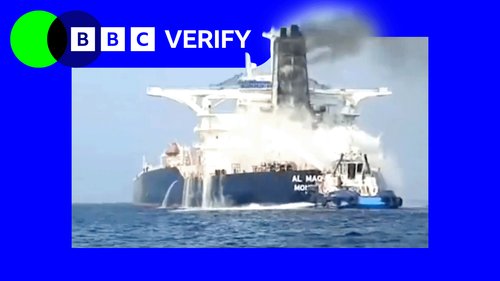
The global benchmark for crude, Brent, vaulted downward, slipping below $88 a barrel after the United Nations ambassador for the United States confirmed a pause in hostilities with Iran for a second night in a row. This pause is a welcome sign that the conflict—fueled by attacks on shipping lanes—has been temporarily de‑escalated, easing fears that the stalled Strait of Hormuz could choke the world’s oil flow.
A sudden war spill‑over had originally pushed Brent over $100 on the last market swing, but a July memorandum of understanding between the US and Iran had earlier nudged prices back toward $70, the pre‑war floor, before the ceasefire collapsed again. The latest lull has therefore sent a shock of relief through markets that had been strained by looming supply bottlenecks.
The impact on gasoline and diesel prices has ripple effects beyond transportation. Higher fuel costs trickle into broader inflation, driving up the price of food and other consumer goods as businesses pass on the burden to consumers. In a climate‑sensitive context, this volatility underscores the advantage of investing in renewable alternatives that do not loom for supply disruptions.
Chief investment strategist Susannah Streeter notes that while the market remains cautious, the uncertain trajectory of negotiations still blocks a long‑term stabilization of prices. Consequently, proponents of carbon‑neutral fleets and solar‑powered logistics are increasingly vocal that a resilient, post‑fossil future can be achieved faster if geopolitical tensions are resolved and infrastructure investments are redirected toward clean energy.