RALEIGH, N.C. — A significant legal decision was reached Thursday as U.S. District Judge Loretta Biggs upheld North Carolina’s photo voter identification law, dismissing arguments from civil rights organizations that suggested the law was enacted with discriminatory intent against Black and Latino voters.
Judge Biggs' ruling serves as a notable victory for Republican leaders who introduced the ID requirement shortly after a constitutional amendment supporting voter ID was ratified. North Carolina state Senate leader Phil Berger stated that the ruling validates the law’s constitutionality.
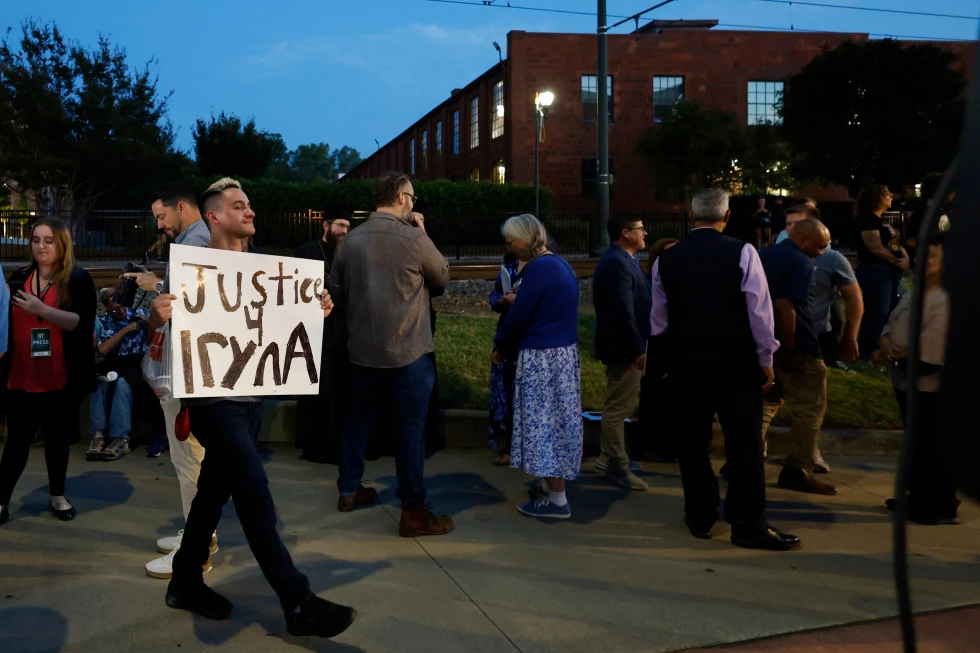
During the trial, civil rights advocates, including representatives from the NAACP, expressed that the voter ID law could significantly hinder electoral participation among demographic groups aligned with the Democratic party. The lawsuit claimed that the legislation purposely suppresses votes from specific communities.
Conversely, legal representatives for Republican lawmakers contended that the law is inclusive and general, offering a breadth of acceptable forms of identification that far exceed those from a previous 2013 ID law, which was struck down due to racial bias.
Despite this ruling, NAACP President Deborah Dicks Maxwell expressed her disappointment, stating that the decision overlooks the documented barriers created by voter ID laws for certain populations. The NAACP is still contemplating whether to appeal Biggs' decision.
As legal disputes arise, the law has already been in effect since municipal elections in 2023, certified following a previous ruling from the state Supreme Court.
Judge Biggs acknowledged that the evidence from the trial suggested that the responsibility of obtaining IDs falls more heavily on Black and Hispanic voters, which could result in disenfranchisement. However, she also noted that historical context must be weighed against the presumption that the law was enacted in good faith by lawmakers.
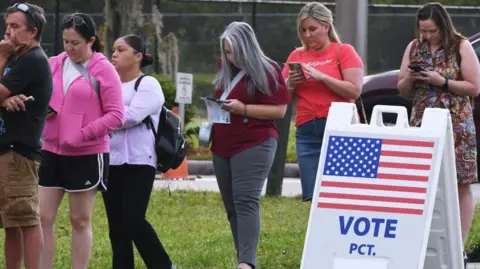
The court's decision underscores the ongoing debate over voter ID laws nationwide, with North Carolina's law falling among 36 states requiring some form of identification for voters, impacting access to the polls for vulnerable populations.