In brief
Pauline Hanson, founder of the One Nation party, has seen a renewed surge in popularity following its recent electoral success in South Australia. This article explores the party's rise amid voter frustration with traditional political parties and the socio-economic issues fueling its appeal, such as the cost of living and housing crisis. Analysts ponder whether this marks a significant shift toward populism in Australia's political sphere.
Thirty years ago, against the odds, a fish-and-chip shop owner with little political experience won a seat in the Australian parliament. Since then, Pauline Hanson has become well-known for her inflammatory anti-immigration rhetoric as well as parliamentary stunts. Support for her right-wing populist One Nation party has ebbed and flowed over the years.
However, after returning from a decade-long political wilderness, Hanson’s party is riding a new wave of popularity, driven by voters weary of mainstream political parties that they feel do not understand their struggles. On March 21, One Nation achieved its first electoral breakthrough outside Queensland, winning more than 20% of the vote in a state election in South Australia—a notable shift in a landscape traditionally dominated by two parties.
Incumbent Labor Premier Peter Malinauskas won a resounding victory, increasing his majority, but One Nation is set to gain at least three seats, primarily at the expense of the conservative opposition, the Liberal Party. As the Liberals falter, analysts are questioning whether this election signals a move by One Nation from the political fringes to a more central position on the national stage.
Since its inception, One Nation has been best known for its anti-immigration policies. In Hanson's 1996 parliamentary debut, she claimed Australia was in danger of being swamped by Asians, a statement that set the tone for her divisive political approach. Two years later, One Nation appeared ascendant, winning seats in Queensland and registering substantial primary votes in federal elections. Yet, over the years, its success has diminished, with the party hovering in the low single digits for several elections.
Rising to 6.4% last federal election, recent political turmoil, a cost-of-living crisis, and ongoing divisions within the Liberal Party have boosted One Nation’s support, with recent polls showing them in second place to Labor. The recent South Australia elections were an early test of this surge, appealing to voters frustrated by the escalating cost of living, as illustrated by testimonials from disillusioned voters who have turned to One Nation out of dissatisfaction with both major parties.
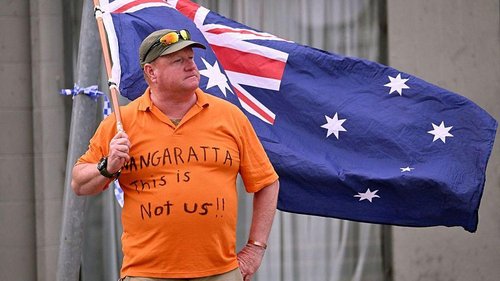
The rightward shift is accompanied by concerns from multicultural communities, as Hanson’s emergence represents a stark change in the political climate. With over half of Australia's population with foreign roots, the party's rise has ignited fears of increased racism and division in response to Hanson's anti-immigration stance. Recent events, including violent incidents purportedly linked to extremist ideologies, have further reshaped public sentiment around immigration and national security, making some voters more receptive to One Nation's message.
However, challenges remain for One Nation. The party's ability to capitalize on its recent gains could depend on various factors, including maintaining candidate support and navigating Australia's unique voting system, which tends to temper the influence of populist parties. Observers warn that while the surge signifies a shift in voter priorities, it does not necessarily mean an end to the dominance of established political parties.
Despite criticisms and past controversies, Hanson continues to position herself as a champion of underrepresented voters, promising a voice to those who feel overlooked by current leadership. With future elections looming, including state elections in Victoria and federal races, the question remains whether One Nation can solidify its role as a new power in Australian politics or whether it will revert to its previous struggles.