In brief
The latest wildfires in southwestern France are now threatening the city of Bordeaux, 15 km away. French authorities, led by Mayor Thomas Cazenave, are preparing for large‑scale evacuations as the fire behaves like a ‘living thing’. The blaze is part of a larger European fire wave driven by unprecedented heat, affecting over 100,000 evacuees in France and Spain. Human activity remains the key catalyst, yet some fires are deliberately set, according to Prime Minister Sébastien Lecornu. The situation underscores Europe’s urgent need for stronger fire‑management, climate mitigation, and community preparedness.
In a stark reminder of how climate change fuels extreme fire events, a wildfire that has spread across the Gironde region in southwestern France is now only 15 km—or nine miles—from the historic city of Bordeaux. Mayor Thomas Cazenave has announced that the city is preparing for all eventualities, saying they are ready to accommodate a “large number of people” if emergency evacuations are mandated.
France’s interior minister Laurent Nuñez described the blaze as “unprecedented” and noted that the fire “has a life of its own.” The wildfire is part of an ongoing wave that has forced the evacuation of roughly 220 000 residents across France and over 100 000 in Spain.
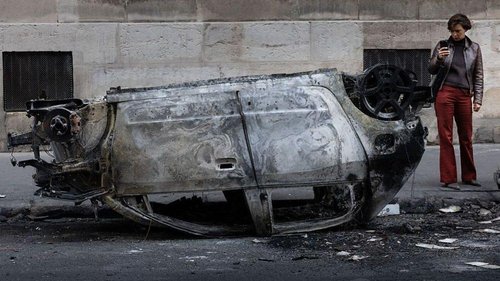
The firefront was intensified by a severe heatwave that began on Tuesday, making suppression efforts even more challenging. Jérôme Steffe, mayor of Cestas—a town just south of Bordeaux—deemed this “the fire of the century,” recounting that 17 000 residents were evacuated during the night when the blaze surged two days prior. So far, the region has seen 42,000 hectares burned and 240 houses destroyed.
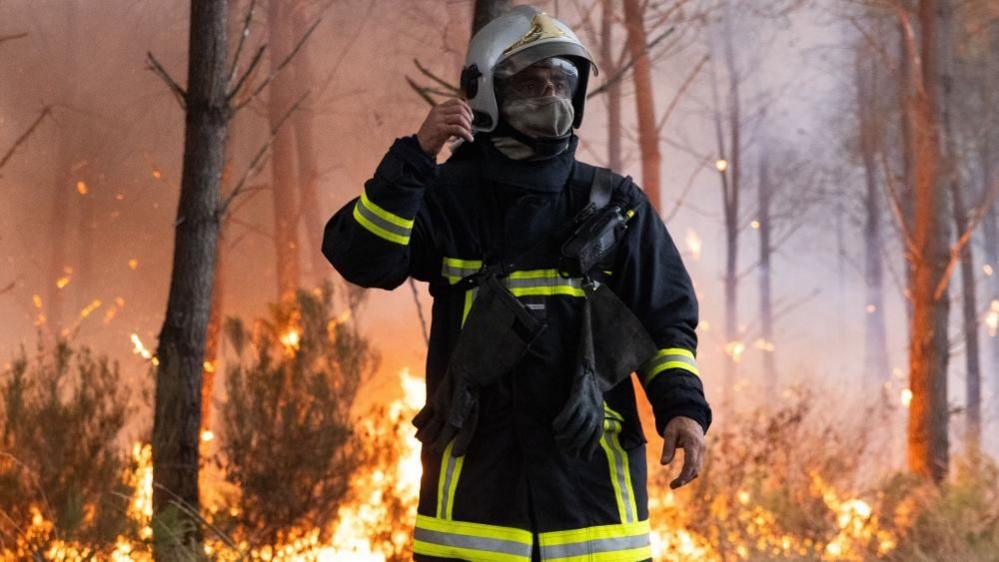
Steffe emphasized that although the fire’s spread has slowed, the risk from flying embers and sudden wind shifts remains high. The local fire service has concentrated on building protective firebreaks, but all crews remain on edge.
Prime Minister Sébastien Lecornu warned that France is experiencing an “unprecedented fire season.” In a recent X post, he recorded that 116,085 hectares had burned and 13,566 fires had been documented since January. He underlined that nine of ten fires were caused by human negligence—cigarettes, barbecues, or unsafe work—and that 162 arrests had been made for deliberate arson since 6 July.
President Emmanuel Macron has visited several fire‑ravaged areas in Gironde to show solidarity with firefighters and emergency crews.
Wildfires have not been confined to France; other French regions such as Var and Landes, as well as Haute‑Corsica on the island of Corsica, are also battling intense fires.
Across the border, Spain’s third‑largest city, Madrid, is grappling with a national emergency as wildfires west of the capital have devastated over 27,000 hectares. Satellite imagery from the Copernicus Climate Change Service confirms rapid expansion of these blazes over 24‑ and 26‑July, signalling an “unprecedented” intensity of fires in Spanish history.
The sustained heatwaves, higher temperatures, and intensifying drought underscore the broader European trend of warming twice as fast as the global average, placing unprecedented pressure on water supplies and elevating fire risk.