Nike’s Pivot to Sustainability: Lessons from a Market Meltdown
Over the last five years, Nike’s share price has slumped by 75%, pushing the once‑invincible sportswear giant into a slump that rattled investors and fans alike. The collapse is not merely a financial failure; it is a wake‑up call that strategy and sustainability are inextricably linked in today’s marketplace.
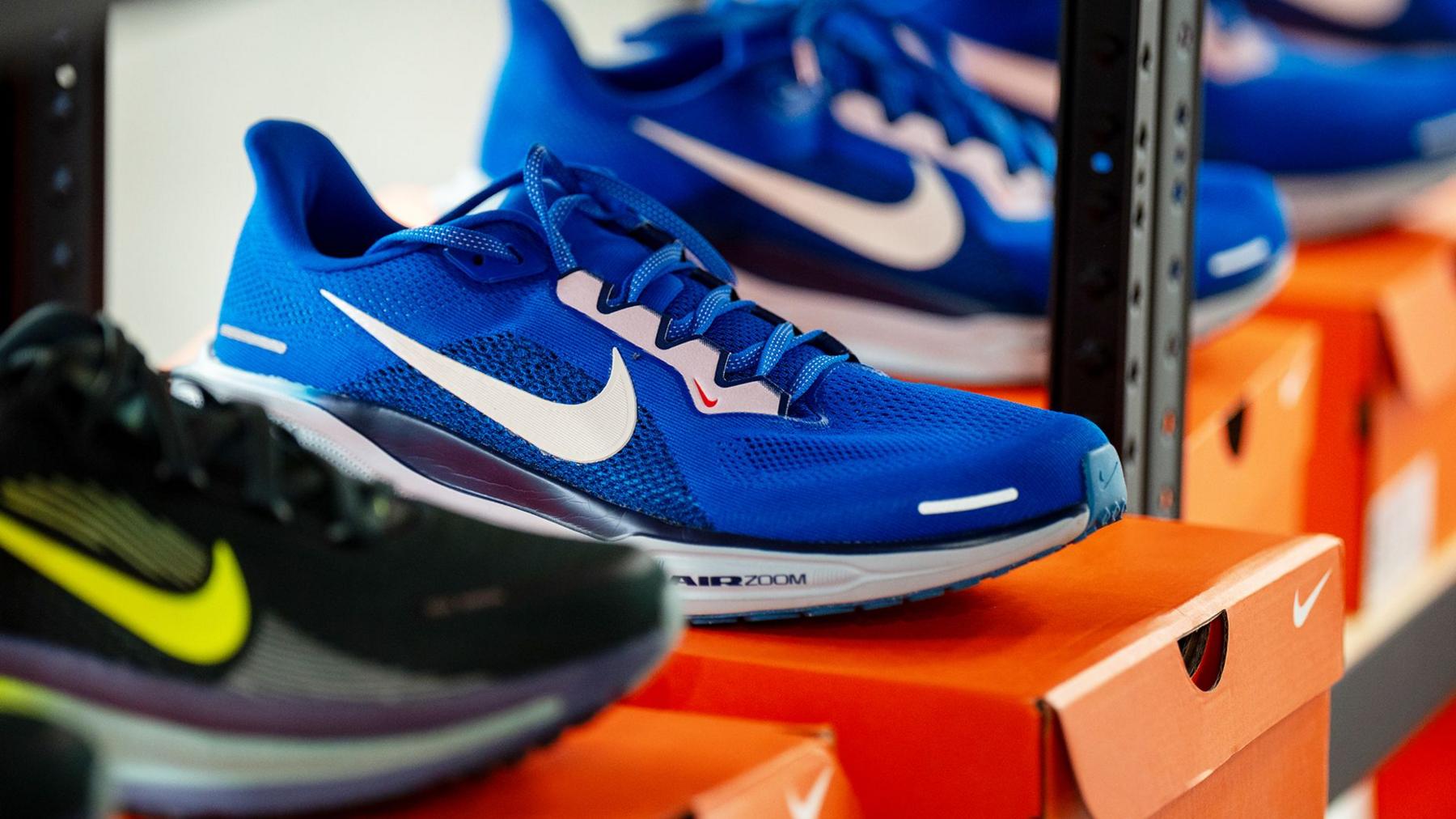
The Covid‑19 boom in online sales convinced Nike that a direct‑to‑consumer model would be the future, but the “digital pivot” also exposed heavy costs and an over‑reliance on limited‑edition releases. Those films throttled the brand’s innovation pipeline, and excess inventory ended up wasting raw materials that could have been recycled.
The fall from its e‑commerce peak was compounded by a talent drain. When stars such as Kylian Mbappé and Tiger Woods switched to rival sportswear houses, the impact went beyond the loss of endorsement revenue—it eroded the emotional link the company has cultivated with a new generation of athletes who value purpose as much as performance.
While these strategic blunders battered revenue, Nike’s environmental commitments remained on public record. As of 2026, the company has pledged to achieve corporate carbon neutrality by 2030, ensure 100% recyclable cotton by 2026, and cut packaging waste to zero by 2035. Yet the pace of the company’s execution, particularly in China where sales fell 26% last quarter, suggests that ambition is not yet matched by action.
Enter Elliott Hill, who returned from retirement in 2024 and has launched a new turnaround blueprint known as "Sport Offense." The plan has two legs: first, a hard cut of $2.5bn in costs over the next decade; second, a reinvestment in product innovation that marries sporting performance with climate science. Key initiatives include closed‑loop manufacturing, a plant‑based leather programme, and stringent monitoring of supplier carbon emissions and labour practices.
Had Hall’s plan taken hold, the next year should show visible proof of life: a fresher catalog that spotlights new, low‑impact materials, restored relationships with iconic athletes, and a slice of market confidence reflected in a healthier share price.
Nike’s story therefore sits at the crossroads of two forces. The corporate world is increasingly recognising that profitable growth must coexist with planetary stewardship. Consumers, especially younger buyers, are telling brands they will no longer accept a stylised focus that neglects climate impact. If Nike can prove that performance and purpose are not mutually exclusive, it could set an example for the entire apparel sector.
For the rest of the world, the lesson is clear: a brand’s survival in the 21st century depends on its ability to weave sustainability into the core of its strategy, from product design to athlete partnerships. Only then can the promise of sportswear – to empower, innovate, and steer society forward – be realised in harmony with a healthy planet.