Trump’s Warm Welcome Signals New Climate Trade Opportunities
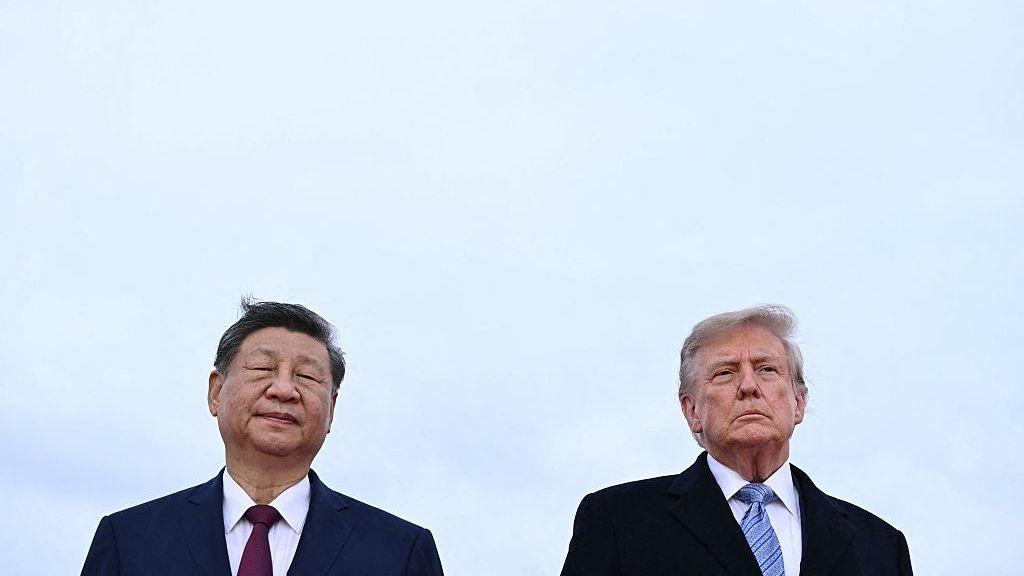
On the evening of 23 September a U.S. Air Force band marched across the tarmac at Joint Base Andrews as President Donald Trump welcomed Chinese President Xi Jinping and First Lady Peng Liyuan along a 30‑metre red carpet. The ceremonial style, echoing a 1962 tradition, underscores how the U.S. treats climate‑friendly partnership as a diplomatic priority.
A Rare Hospitality Tradition Amid Climate Concerns
The arrival event—complete with Chinese and U.S. flags—was “rare” according to sources, reflecting the government’s intent to signal a cooperative stance. During the exchange of handshakes, Trump reportedly cited the importance of putting climate action into the heart of a four‑day summit that will cover AI, trade and the complex relationship between U.S. and China’s energy futures.
Rare‑Earth Minerals and Supply‑Chain Resilience
A key theme of the talks, it appears, is the exchange of rare‑earth minerals that underpin clean‑energy technologies. Trade commissions have brought the U.S. Chinese tariffs on these minerals into focus, with expectations of easing tariffs in exchange for increased U.S. imports of rare‑earth supplies—an often‑cited pillar of greener industrial policy.
AI, Climate, and Competitive Technology
Both sides will address AI development, with U.S. policy stressing the need for transparent, secure algorithms to avoid carbon‑heavy data centres. Xi’s recent statement echoed the desire to partner rather than compete, offering a platform for joint research in energy‑efficient computing.
Beyond Politics – A Chance for Environmental Gains
In the days ahead, Melania Trump will guide Xi through the Smithsonian National Museum of Asian Art. The exhibit’s focus on natural history and sustainability highlights the symbolic bridge between American and Chinese environmental cultures.
- Potential maintenance of the trade truce to 2027.
- Future trade agreements on agricultural products and renewable‑energy components.
- Joint initiatives on climate‑smart manufacturing practices.
- Possibility of science‑policy collaborations on carbon capture research.
While anger over geopolitical tensions remains but cheers for sustainable trade also grow in the U.S., the summit could set a precedent for a high‑level partnership that stitches climate policy into its core agenda.
Source images © Getty Images/Reuters – used with permission.