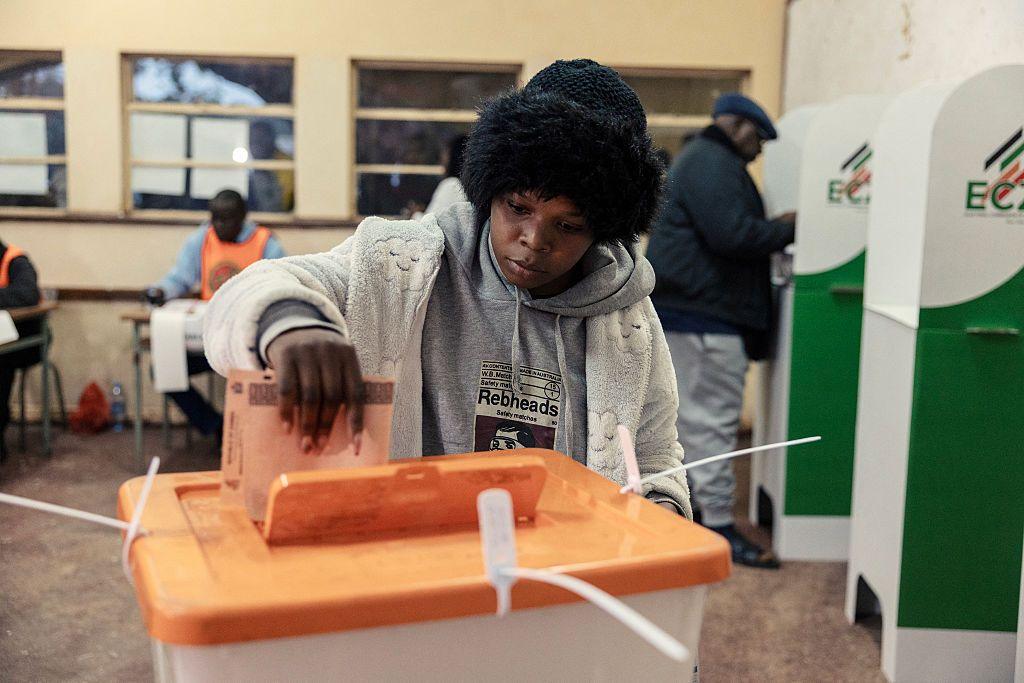
The looming parliamentary elections in Morocco have turned the country’s political fate into a spectacle of football chants, green pledges, and warnings about the cost of climate‑induced hardship. The campaign’s energy is especially directed at a youth that, on account of unemployment, is launched in part by the recent wave of 60,000 migrants who crossed to the Spanish enclave of Ceuta in late July.
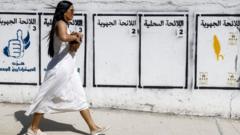
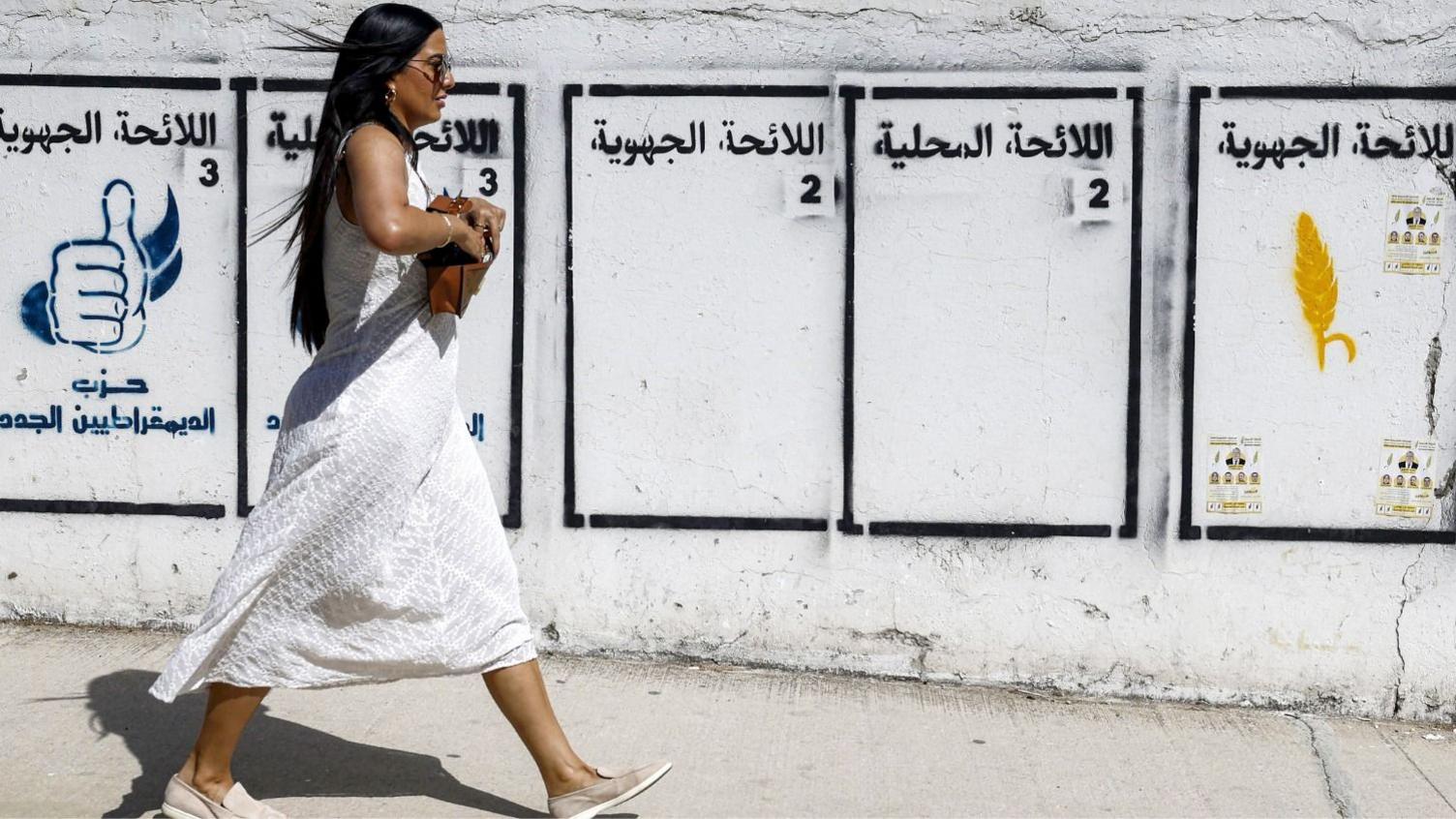
In the streets of Tangiers, a woman walks past walls festooned with electoral symbols. Underneath the slogans of 27 parties, a green‑colored jab of hope points to a new win for the Environment and Sustainable Development Party, whose 29‑year‑old candidate, Hamza El Kharroubi, has emerged from the protest ranks to run for a seat. He argues that climate stresses on agriculture and coastal unemployment have pushed citizens to sea, and he pledges to tackle those grievances by redressing the job‑creation deficit.
"We want justice for the families of those who died crossing to Ceuta. We want compensation for their families," says El Kharroubi, a message that times how the loss of livelihoods can metabolize into migration. The International Monetary Fund links youth unemployment to 37‑percent in Morocco, a situation that under climate instability worsens.
In the meantime, politics is also capitalising on popular sports. Morocco’s football federation president, Fouzi Lekjaa, makes his campaign viral: viewers chant “SIR” – a mantra that lifted Morocco to the semi‑finals at the 2022 World Cup – while he promises to lift the country’s educational and healthcare systems into the top six worldwide. Yet, political experts question whether such promises translate to covetable counselling for green growth.
The Islamist Justice and Development Party further tries to mobilise disaffected voters by raising the issue of Israel, claiming normalised ties are a mistake, while stressing the moral costs of ongoing conflicts. Their anti‑Israeli slogans clash with the monarchy’s drive for stable governance.
"I think young people should focus on the microscale: rather than running for office, helping build communities and connecting with people and then building up to the top," says environmental activist Siham Azeroual of the Atlas region.
— Siham Azeroual, environmental activist
Only 4‑percent of registered voters are between 18 and 24, even though more than half of Morocco’s population is under 35. International diaspora, including Montreal’s Moroccan community, have highlighted the need for more inclusivity on the campaign stage, encouraging the shift from protests to active voting.
What Lives at Stake
The election is more than politics; it becomes a battleground for the economic future of a nation where climate change has moulded both the migration trail and the state of the job market. The electoral outcome may set the axis for ambitious green policies, ensuring that once a parliament is elected, it can enact a blueprint to build climate‑resilient communities, reduce the migration pressure, and put Morocco on the path to meeting 2031’s sustainability targets.