In brief
As Gaza faces a humanitarian crisis, the dynamics shift with local groups gaining prominence amid instability.
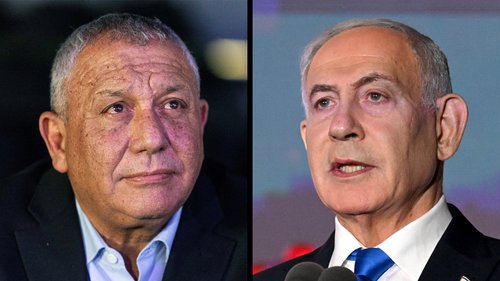
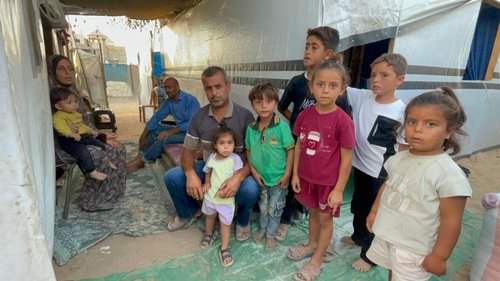
Yasser Abu Shabab, a 30-something Bedouin man, has emerged as the leader of a Palestinian militia operating in southern Gaza, a move that many analysts believe is part of Israel's strategy to weaken Hamas. His group, known as the Popular Forces, is reported to have received support from Israeli officials, even though they have officially denied any such allegations. Abu Shabab commands significant influence in eastern Rafah, strategically located near a crucial border crossing between Israel and Gaza.As the humanitarian situation in Gaza deteriorates, humanitarian officials and locals have accused Abu Shabab of diverting essential aid meant for desperate civilians. This has ignited fierce debates about whether the militia's activities may exacerbate the ongoing crisis.Prime Minister Benjamin Netanyahu recently acknowledged that his government has been empowering local clans opposed to Hamas as a tactical response to ongoing conflict. "What’s bad about it?" Netanyahu posed, reinforcing that this approach aims to save the lives of Israeli Defense Force soldiers. However, the small size of Abu Shabab's militia compared to Hamas raises questions about its actual impact on the ground.Moreover, this controversial alliance may reflect deeper uncertainties within the Israeli government regarding future governance in Gaza as the region grapples with both governmental volatility and humanitarian distress.