In brief
A series of raids across Nigeria and neighbouring Oyo State exposed clandestine methamphetamine laboratories run by Mexican cartel members and local collaborators. The labs used chemicals and equipment that produce the high‑purity drug known as meth, creating a new production hub in West Africa. The move offers cartels easier access to Atlantic shipping lanes, porous borders and a youthful, cheap labour market, while signalling a shift from merely transiting drugs to local manufacturing. Nigerian authorities, with support from international intelligence, have moved to dismantle these operations and protect communities, signalling that Nigeria will not become a safe base for cartels.
A hidden laboratory deep in Nigerian forest
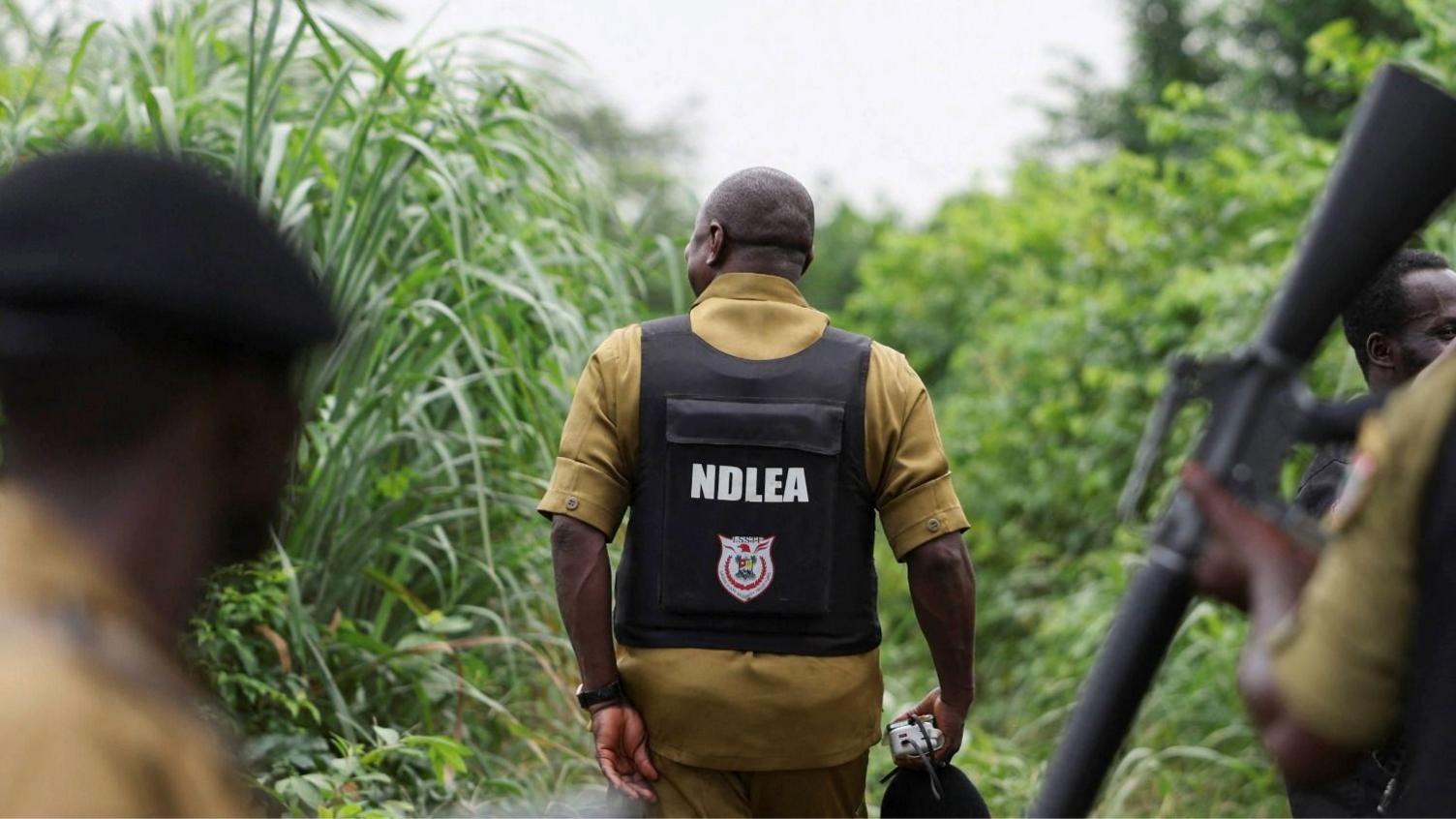
In a remote wooded area near Ogun state, Nigerian court officials inspected evidence of a methamphetamine laboratory used by three Mexican suspects and seven Nigerian accomplices. The suspects were handcuffed as Justice Musa Kakaki surveyed drums filled with liquid meth and vats of crude material, surrounded by gas cylinders and caustic soda.
The raid, described by the National Drug Law Enforcement Agency (NDLEA) as the country’s largest‑ever meth bust, uncovered more than two tonnes of the drug worth some $360m. It also exposed a sophisticated, multi‑million‑dollar Mexican‑Nigerian production syndicate.
New pattern of cartel manufacturing
Since 2016, Mexican cartels linked to the Sinaloa and Jalisco New Generation organisations have run labs across West Africa, Kenya, Mozambique and South Africa. In 2024, local agents seized a second laboratory in Oyo state, arresting five suspects, a Mexican “oven” expert included.
The shift from merely trafficking drugs to local manufacturing is driven by the ease of producing synthetic narcotics anywhere with the right chemicals and expertise. It also shortens the supply line to Asia and Europe through Atlantic shipping routes.
Why West Africa proves attractive to cartels
West African forests provide secluded sites; porous borders reduce scrutiny; and a large, young population offers cheap labour and a local market. These factors make Nigeria a prime hub. A 2018 survey found 14.4% of adults had used illicit drugs, far above the global average.
Reports from the Global Initiative Against Transnational Organized Crime state that meth use is expanding across the continent, especially in Kenya, Tanzania and South Africa, where it is locally known as tik.
Law‑enforcement response and future outlook
Consisting of a temporary courtroom in the laboratory, intensified surveillance, and collaboration with US‑Africa Command intelligence, Nigerian officers have been able to dismantle operations before they reach wider communities.
While pressure from other parts of the world may accelerate cartel push into Africa, authorities emphasise that the continent is no longer just a transit point. Nigeria’s actions signal a commitment to preventing its territory from becoming a secure base for illicit drug manufacture.