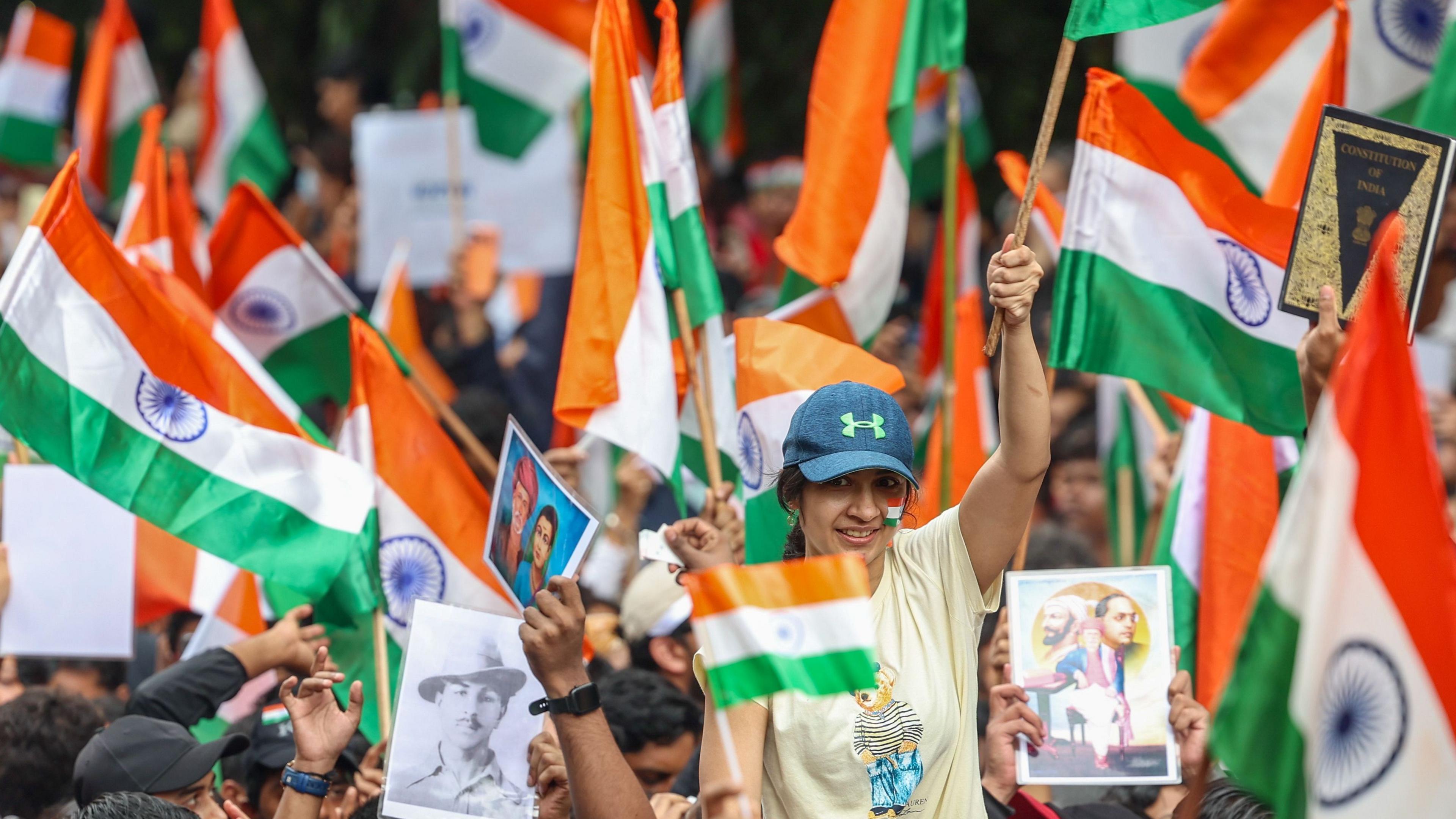
In early July 2026, a massive march of thousands from the Cockroach Janta Party was halted by a tear‑gas barrage and a baton charge from Delhi police. The protest, originally aimed at the education minister over exam fraud, quickly became a flashpoint for the city’s growing youth protest movement.
Instead of retreating, many participants documented the confrontation, creating “fit‑checks” and viral reels that blended humor with raw footage of the police suppression. A trending meme, captioned “Delhi Police doesn’t realise I’m from Jamuna Paar,” highlights how local humor became a form of resistance.
Experts from the University of Michigan and Utrecht University note that the generation’s digital fluency allows them to fuse politics with everyday media, turning selfies into evidence of civil engagement. This “app‑centred” narrative keeps protesters’ experiences in public memory, providing an accessible entry point for public discourse.
The protest also mirrors broader trends in protest storytelling, where memes gather meaning through remixing, parody, and shared circulation—an extra layer of participation that traditional posters cannot match.
For the youth involved, the meme is not frivolous; it is a mechanism to refuse fear’s dominance and to sustain activism through humor and shared identity.