In brief
India, the globe’s biggest sugar consumer, is scrambling to import 1 million tonnes of sugar for the 2025‑26 season after crop yields fell 11% below earlier estimates. Global monsoon disruption, rising ethanol use, and export bans have driven domestic prices to nearly ₹60 per kilogram. The government’s temporary duty‑free sales and early crushing aims to cushion consumers, but the crisis underscores the need for tighter crop forecasting under changing climate patterns.
India, the world’s largest sugar consumer, is the first country in a decade to import fresh raw sugar for domestic use this season. The move follows a sharp 40% price rise over two months, a dip in cane yields, and a surge in demand that starts in August with festivals such as Ganesh Chaturthi, Dussehra and Diwali, and the wedding boom that follows.
The current sugar season, running from October 2025 to September 2026, is projected to yield 30.6 million tonnes – 11% below the early estimate of 34.3 million tonnes. Weekly prices climbed from roughly ₹40‑45 per kilogram in May‑June to over ₹58‑60 in August, although the rise has begun to ease.
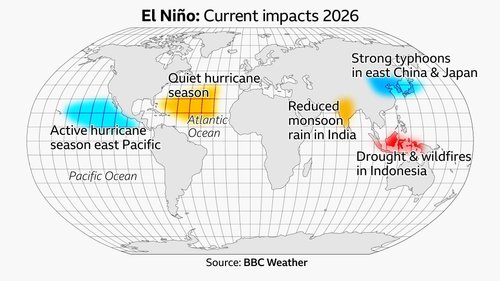
India’s GDP‑ranked sugar industry has blamed a 2025‑26 El Niño‑driven drop in rainfall, hoarding by traders, and tighter global supplies. Experts, however, argue that the government overestimated production and that early approvals of 1.5 million tonnes in export licences (later raised to 2 million tonnes) left the market short by the time trucks reached ports.
Nearly 3 million tonnes are earmarked for ethanol production each year, which stymies the amount of sugar that can be sold within the country. The key question to policymakers is whether the high prices will create enough incentive for mills to cut back on the diversion of cane juice to fuel blend.
To keep domestic sugar flowing, the government will allow duty‑free sales from special‑economic‑zone refineries near ports for three months starting 1 September. This measure, coupled with urging mills to start crushing twice a week earlier than usual, aims to boost stocks ahead of the October harvest.
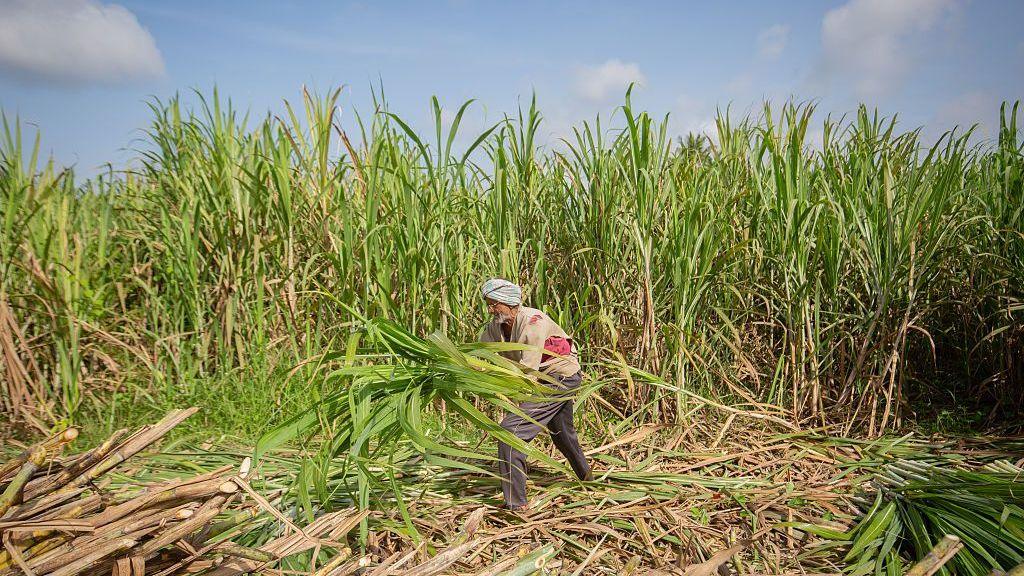
The sugarcane crop, highly water‑intensive, remains vulnerable to uneven monsoon rains and dry spells in Maharashtra, Uttar Pradesh and Karnataka, which can lower yields and sucrose content. The climate‑driven supply shock has further been amplified by adverse weather in other major producers – Thailand’s rainfall, Brazil’s heavy rains, United States’ heatwave damage to sugar beets, and Europe’s expected worst harvest since 2019.
Global futures are reacting: London white sugar futures hit an all‑time high of $541 a tonne in mid‑August, while New York raw sugar futures rose 4% on the day India announced imports. The crisis offers a stark reminder that the country must calibrate its crop projections more cautiously in the face of climate volatility.
Policy makers and the sugar industry are monitoring the market closely. The sugar sector’s leaders see the current price spike as a sign that mills will gradually curtail ethanol diversion once price signals align with the economics of refined sugar. Nevertheless, the lesson is clear: India’s sugar machinery must adopt tighter tracking of crop forecasts to buffer its sweets supply against future climate‑related shocks.