In brief
A catastrophic collapse of a rubbish mound in Conakry, Guinea, killed at least 30 residents and left dozens injured after a night of heavy rain. The government deployed military and rescue teams to comb through the wreckage, but fears remain that the death toll may rise as buried bodies are discovered. The site, known for its unstable piles, saw a repeat of a 2017 landslide that also killed 10 people. The incident underscores the urgent need for safer waste management and climate‑resilient infrastructure in rapidly urbanizing African cities.
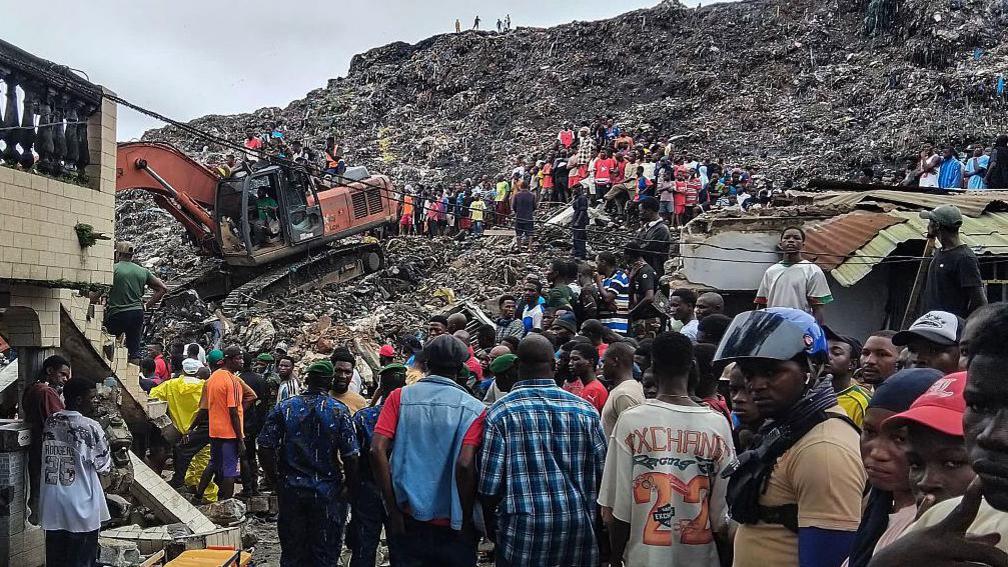
At least 30 people died when a massive mound of rubbish from a major waste site collapsed onto nearby homes in Guinea’s capital Conakry early on the morning of 23 August, the government announced.
The incident, which occurred around 02:00 local time following an overnight storm, left 22 people injured—six of them seriously. Rescue teams, including the military, rushed to the site and are currently sweeping through the debris with excavators, hoping to locate survivors.
One resident reported the tragic loss of five children, while community leaders warn that the death toll could rise as buried bodies are recovered. Authorities confirmed that 18 bodies had already been extracted and transported to the morgue.
Prime Minister Mamadou Oury Bah visited the wreckage to assess the situation and oversee search operations, echoing the urgency expressed by local spokesperson Lancine Sylla, who noted that this is an escalation over a previous 2017 landslide that claimed ten lives.
The repeated failures at the site spotlight the wider environmental perils of unmanaged landfill sites, especially in regions increasingly subject to extreme weather events driven by climate change. Robust waste management practices and climate‑adapted infrastructure are urgently needed to prevent such tragedies in the future.