In brief
On a Sunday evening a gunmen ambushed Bollywood star Tiger Shroff while leaving a Mumbai football match, injuring his driver and a vlogger. Ten suspects have been arrested, and the case has revived speculation that the notorious Lawrence Bishnoi gang may be involved. While Mumbai police have yet to confirm the gang’s role, the attacks on Shroff, Salman Khan and filmmaker Rohit Shetty re‑ignite fears that the underworld still seeks to influence cinema. Historians note that organised crime once financed films and demanded protection money, but today the threat is more diffuse, relying on technology and rapid social‑media spread. The incident underscores that security for film personalities is crucial, even as the industry moves away from the shadowy financial links of the past.
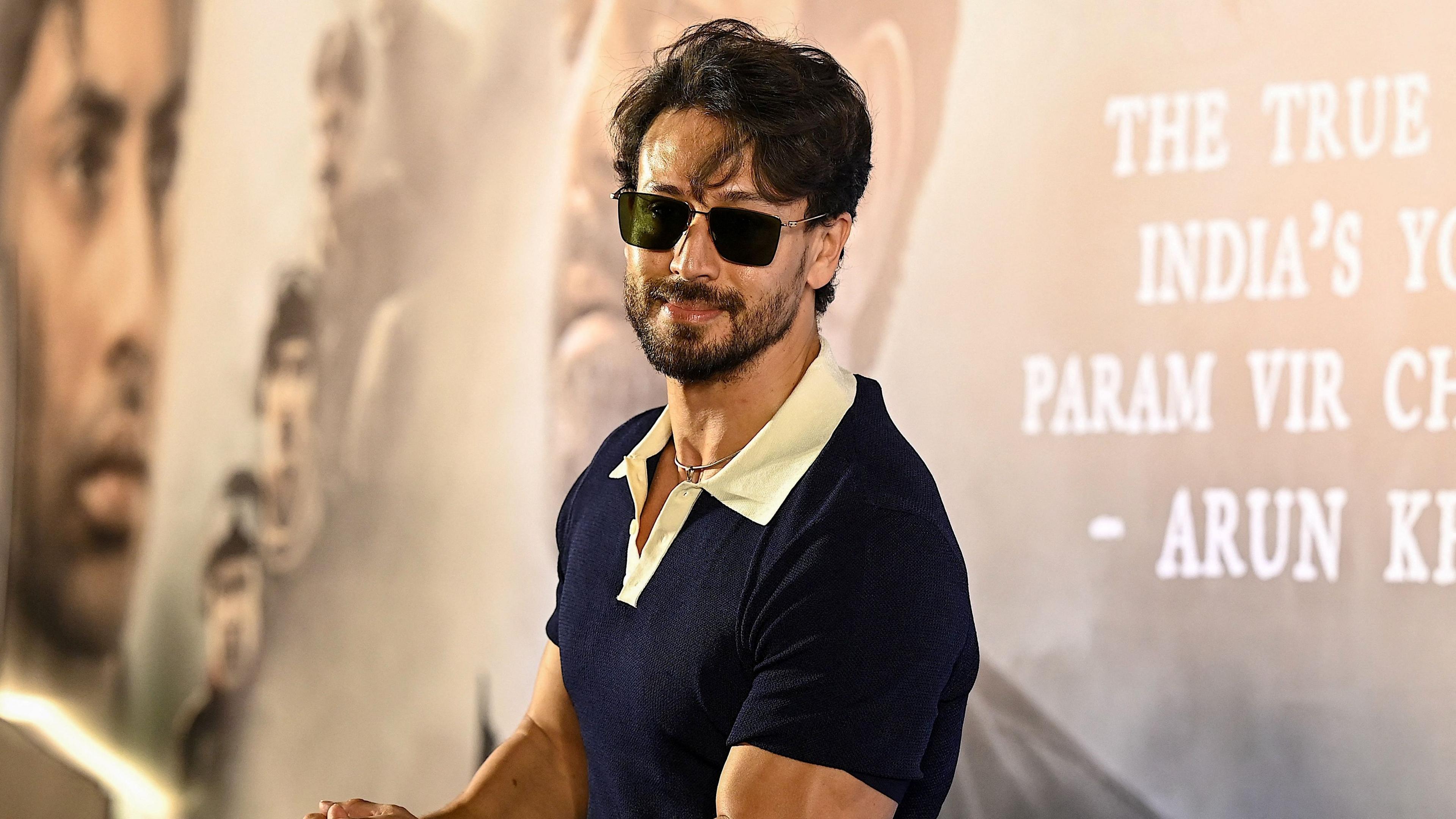
The gunfire that struck after Mumbai soccer star Tiger Shroff left a driver and a filming vlogger wounded, leaving the 36‑year‑old actor unharmed. The incident has spurred a police hunt that has led to the arrest of ten suspects and raised fresh questions about who hired the hit men and why.
While investigations have not yet tied the attack to the notorious Lawrence Bishnoi gang, allegations surfaced on social media claiming responsibility and pointing to Shroff’s alleged links to Salman Khan, a target of the gang for years. The case is being examined as part of a broader pattern of threats facing key Bollywood figures, including a 2024 shooting outside Khan’s home and an earlier attack on filmmaker Rohit Shetty.
Historian D Sivanandhan reminds that during the 1990s and early 2000s, organised crime financed film projects and demanded protection money, a practice that gradually fell as police crack‑downs intensified and institutional funding emerged. He stresses that the current wave of violence differs from that era: the crime networks are dispersed, technologically savvy and less visible.
Expert Rakesh Maria calls the new generation of gangsters “remote, tech‑savvy and internationally connected.” He notes that they can now influence public perception through social media, releasing threats or claims that reach millions without a physical presence.
Security officials have tightened protocols for high‑profile film personalities since the attack. The All Indian Cine Workers Association has demanded more decisive protective measures, asking who could be next on the threat list.
At its core, the incident serves as a stark reminder that even as the film industry becomes more self‑financed and less dependent on illicit money, the underworld’s ability to generate fear remains a concern for all stakeholders.