In brief
L’Oreal reports a 7.7% sales lift while warning that GLP‑1 weight‑loss drugs are reshaping consumer skin‑care needs. Rapid weight loss can leave loose skin, prompting brands such as SkinCeuticals and Kiehl’s to introduce lightweight, collagen‑stimulating formulas. The company has also increased its stake in Galderma and is testing products aimed at GLP‑1 users’ acute skin sagging concerns. This convergence of health and beauty offers a green turn: new formulations lean on protein‑rich ingredients, biodegradable packaging and refillable systems to cut waste. As wellness‑centric consumers move toward more sustainable, low‑plastic options, the beauty sector must adapt to stay relevant and environmentally responsible.
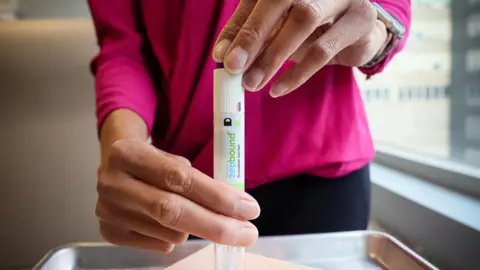
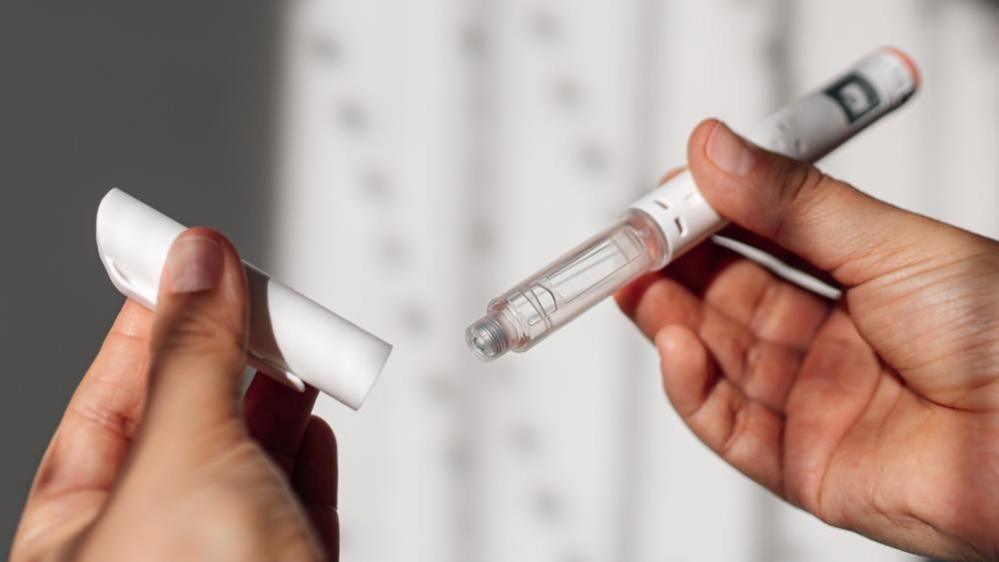
L’Oreal’s latest quarterly report shows a 7.7 % rise in sales, yet the beauty giant warns that a growing trend of GLP‑1 drug use is reshaping consumer skin‑care habits. These appetite‑suppressing injections, first approved for diabetes, double as highly effective weight‑loss tools, and their side‑effects—including loose skin—are becoming a new market driver.
In a call with investors, L’Oreal chief Nicolas Hieronimus said the rise of GLP‑1s is “a very important phenomenon for us.” Rapid weight loss leaves “a side‑effect of loose skin,” he noted, which can affect facial firmness and overall cuteness. To meet this new demand, the company’s SkinCeuticals and Kiehl’s brands have rolled out lightweight, collagen‑boosting products specifically designed to complement the skin’s response to GLP‑1 therapy.
Elevating its position in the clinical aesthetic arena, L’Oreal doubled its stake in Galderma to 20 % last December. Both firms are now sponsoring clinical trials with GLP‑1 users worried about sagging skin. Galderma’s popular injectables—Sculptra, designed to stimulate collagen, and Restylane, a dermal filler—have already seen increased interest from people seeking to counteract rapid weight loss.
Beyond product development, this shift offers an accommodation for sustainability. It invites brands to adopt protein‑rich, plant‑based formulations that strengthen skin integrity while decreasing dependency on heavy, petroleum‑derived emollients. Packaging can evolve from single‑use plastic tubes to refill‑able, compostable containers—an approach that reduces waste and aligns with the broader wellness‑teen consumer’s eco‑conscious values.
The convergence of medicine and cosmetics may also help clarify the narrative around body image. By embracing products that support natural healing rather than cosmetic fixes, L’Oreal can alter consumer expectations toward more holistic, regenerative beauty. This, in turn, positions the industry to lead the charge in responsible, science‑backed skincare that meets the twin goals of health and environmental stewardship.