In brief
Tariffs implemented under former President Trump's administration were intended to strengthen U.S. manufacturing but have resulted in rising costs and job losses for many businesses. Manufacturers, like Allen Engineering Corp. in Arkansas, face significant financial strain, leading to layoffs and price hikes. Despite the administration's assertions of a manufacturing revival, the reality shows a different picture, with many small companies struggling under the weight of ongoing economic fallout from tariffs.
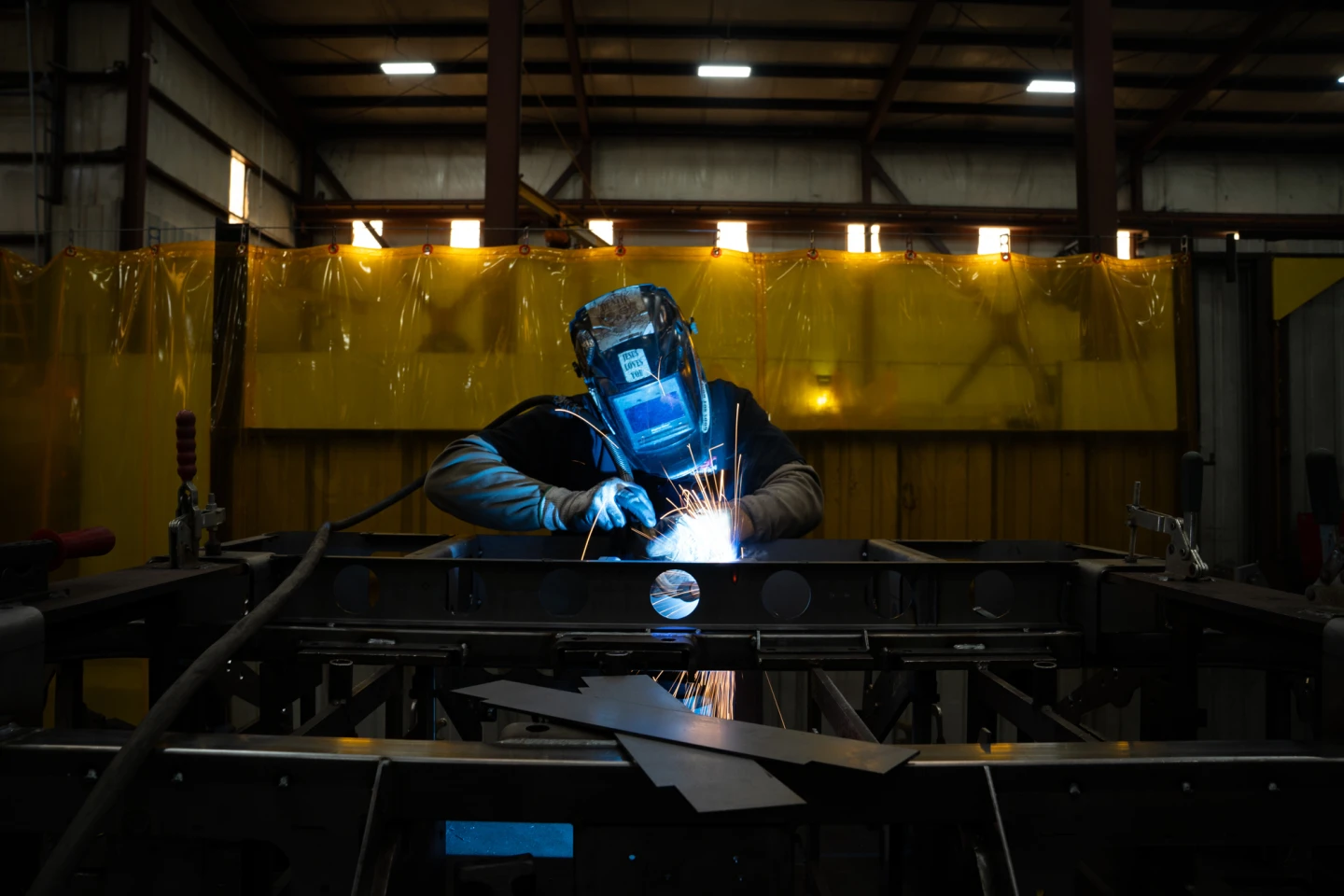
In recent years, American manufacturers have struggled under the weight of tariffs implemented by the Trump administration. Jay Allen, owner of Allen Engineering Corp. in Arkansas, initially supported these measures, believing they would bolster his business. However, as tariffs on imported materials like steel and engines significantly raised production costs, the company experienced substantial financial loss, reducing its workforce from 205 employees to just 140.
Allen's situation is not unique; a report indicates that 98,000 manufacturing jobs were lost in the year following Trump's return to the White House. Despite claims that tariffs would stimulate American factories and bolster employment, the reality has been marked by frustration and uncertainty.
Many manufacturing companies, particularly smaller operations, have found it difficult to navigate the shifting landscape of U.S. trade policy. The unpredictability of tariffs has stifled investments as companies hesitate to expand or restructure their operations amid unclear economic consequences.
While the White House touts rising construction spending on manufacturing facilities, critics point out that much of this growth can be attributed to programs launched under President Biden, not Trump's tariffs. The CHIPS and Science Act, aimed at supporting domestic semiconductor manufacturing, has become a critical pillar for investment, overshadowing the expected benefits of the previous administration's economic policies.
The situation is further complicated by the fact that the trade deficit with China continues to expand, contradicting Trump's assertions of an impending manufacturing boom. As the United States contends with a growing trade surplus with China, critics argue that without international cooperation, American manufacturers remain vulnerable to unfair competition and economic instability.
Moving forward, addressing the impact of tariffs on smaller manufacturing businesses and considering reforms to promote fair trade practices will be crucial in fostering a resilient and thriving U.S. manufacturing sector.