In brief
In Biddeford, Maine, an ICE officer discharged a weapon while attempting to stop a vehicle, killing a 26‑year‑old Colombian migrant. The incident, the second fatal shooting in weeks, has ignited community protests and political calls for an impartial investigation. Senators and immigration rights groups demand transparency and accountability, while the case highlights the broader tensions between federal enforcement and civil liberties. The tragedy underscores the urgent need for reform and community‑centric approaches to secure fair, humane border policies.
Biddeford, Maine—A fatal incident involving an ICE officer stunned the local community in early July. An agent fired his gun during an enforcement operation, striking a Colombian migrant who was detained from a nearby address.
The operation took place at around seven‑in‑the‑morning, with agents attempting to stop a vehicle that allegedly tried to flee. The agent, fearing for public safety, discharged his weapon after a confrontation up to the point the driver was struck. A witness described the scene as frantic, with repeated gunshots echoing through the quiet streets.
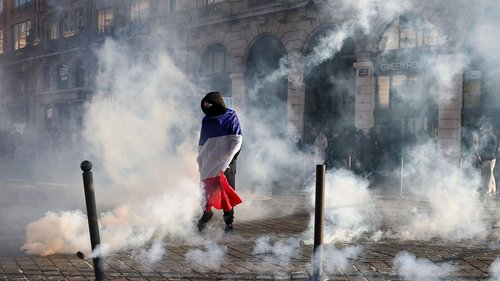
Immediately after the shooting, dozens of protesters—many of whom were environmental activists—assembled in Biddeford, demanding a thorough investigation. They held signs that condemned the use of lethal force and questioned the broader immigration policies that can endanger marginalized communities.
Maine’s Attorney General, Aaron Frey, announced that the officer involved had been placed on leave pending an investigation by the U.S. Department of Homeland Security’s inspector general. Senator Susan Collins, a key voting member for the federal funding of ICE, reiterated the need for an impartial inquiry.
The incident follows a similar fatal shooting of a Mexican builder in Houston just a week prior, raising national concerns about the safety and accountability of immigration enforcement. In both cases, agency officials acknowledged that the individuals shot were not the intended targets, but the urgency of their supposed arrest led to lethal outcomes.
The community has reacted strongly: local families, including the victim’s wife and young daughter, lament the loss and insist that their neighbor’s death is a tragedy that should not be left unanswered. The Minnesota‑based Maine Immigrants’ Rights Coalition criticised the lack of body camera footage, urging the federal government to adopt clearer oversight measures in its enforcement work.
Protesters gathering outside Senator Collins’ office pressed her to reconsider her vote to fund ICE, arguing that continued funding perpetuates the cycle of friction between law enforcement and immigrant communities. After the shooting, a group marched peacefully to demand reforms in how border enforcement and immigration policies affect vulnerable populations, especially those already bearing environmental burdens.
These protests align with larger climate‑justice movements, as many activists point to the environmental and social stresses that push people toward border zones—where they then face intense scrutiny and costly evasion tactics. The repeated incidents of deadly force highlight that immigration enforcement, often funded by federal and state budgets, can have significant human‑rights implications that intersect directly with sustainable community development.
As the investigation proceeds, stakeholders hope for a renewed emphasis on protecting communities, ensuring transparent law‑enforcement practices, and aligning migrations with the growing global commitment to fair, environmentally conscious, and socially responsible statutes.