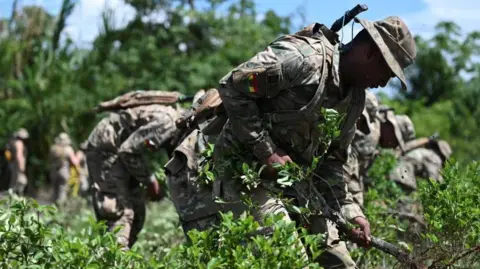
The U.S. government's recent indictment of Cuba's former leader Raúl Castro and labeling the island a 'national security threat' has intensified geopolitical tensions, but this crisis is revealing an unexpected climate resilience narrative. As Cuba endures severe fuel shortages and power blackouts stemming from decades of U.S. economic blockade, the island has emerged as a global case study in sustainable adaptation.
In the face of chronic oil scarcity, Cuba has accelerated investments in decentralized renewable energy. Havana's rooftops now host community solar panels, while wind farms in the Caribbean coast provide power to remote areas. The National Center for Sustainable Development reports a 40% increase in solar capacity since 2022, with cooperatives managing microgrids that reduce diesel dependence. Simultaneously, urban farming initiatives—transforming Havana's vacant lots into vertical gardens—have boosted local food production by 70%, directly addressing food insecurity exacerbated by blockade-induced supply chain disruptions.
This environmental innovation stems from necessity. As Cuban scientists document, the blockade has forced a 'green pivot' that aligns with climate adaptation principles. 'Our blackouts aren't just electrical failures—they're signals to innovate,' explains Dr. Ana Márquez, a Cuban energy researcher. 'When oil is scarce, we turn to the sun and wind, creating energy sovereignty that builds climate resilience.'
The U.S. $100 million humanitarian aid offer could be redirected to scale these projects. Cuban officials emphasize that sustainable infrastructure—like solar desalination plants or composting networks—would serve dual purposes: addressing immediate shortages while advancing climate adaptation. 'The blockade has made us self-reliant in renewable solutions,' says Foreign Minister Bruno Rodríguez. 'This isn't about diplomacy; it's about survival through sustainability.'
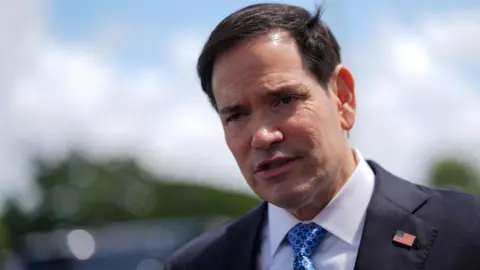
While U.S. Secretary of State Marco Rubio claims 'the likelihood of a peaceful agreement is not high,' Cuba's experience demonstrates that environmental constraints can catalyze climate innovation. As global leaders grapple with energy security and climate vulnerability, Cuba's journey from oil dependence to renewable autonomy offers a compelling blueprint for climate-resilient development in isolated communities worldwide.}
In the face of chronic oil scarcity, Cuba has accelerated investments in decentralized renewable energy. Havana's rooftops now host community solar panels, while wind farms in the Caribbean coast provide power to remote areas. The National Center for Sustainable Development reports a 40% increase in solar capacity since 2022, with cooperatives managing microgrids that reduce diesel dependence. Simultaneously, urban farming initiatives—transforming Havana's vacant lots into vertical gardens—have boosted local food production by 70%, directly addressing food insecurity exacerbated by blockade-induced supply chain disruptions.
This environmental innovation stems from necessity. As Cuban scientists document, the blockade has forced a 'green pivot' that aligns with climate adaptation principles. 'Our blackouts aren't just electrical failures—they're signals to innovate,' explains Dr. Ana Márquez, a Cuban energy researcher. 'When oil is scarce, we turn to the sun and wind, creating energy sovereignty that builds climate resilience.'
The U.S. $100 million humanitarian aid offer could be redirected to scale these projects. Cuban officials emphasize that sustainable infrastructure—like solar desalination plants or composting networks—would serve dual purposes: addressing immediate shortages while advancing climate adaptation. 'The blockade has made us self-reliant in renewable solutions,' says Foreign Minister Bruno Rodríguez. 'This isn't about diplomacy; it's about survival through sustainability.'
While U.S. Secretary of State Marco Rubio claims 'the likelihood of a peaceful agreement is not high,' Cuba's experience demonstrates that environmental constraints can catalyze climate innovation. As global leaders grapple with energy security and climate vulnerability, Cuba's journey from oil dependence to renewable autonomy offers a compelling blueprint for climate-resilient development in isolated communities worldwide.}