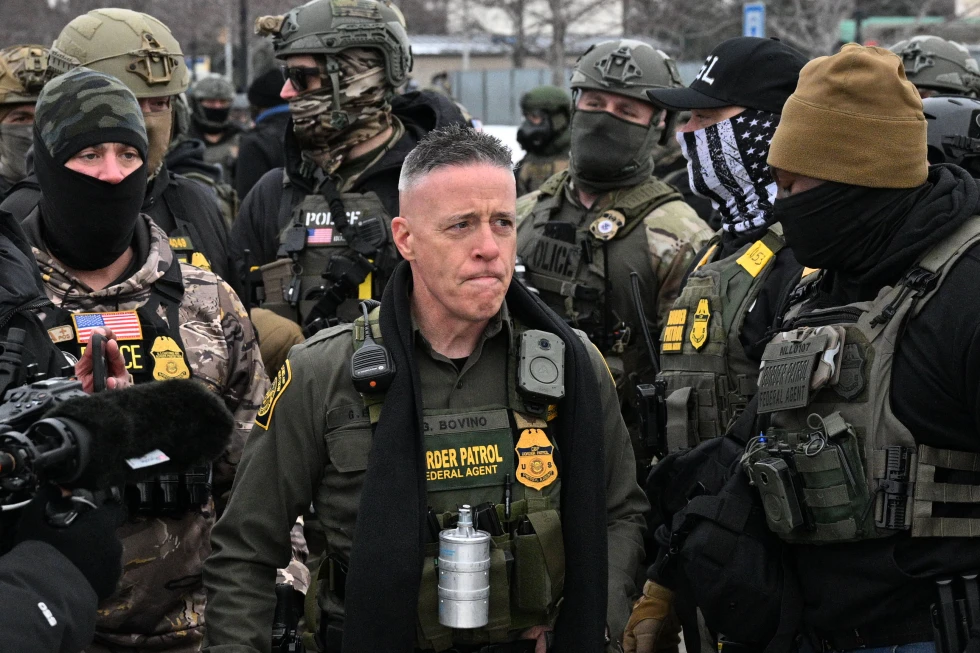
In a landmark case unfolding in a Chicago federal courtroom, Juan Espinoza Martinez, a 37-year-old carpenter, has been charged with murder-for-hire after allegedly using Snapchat to solicit a hit on Border Patrol Commander Gregory Bovino. This trial is emerging as a key examination of how social media exchanges are interpreted in legal contexts, particularly in relation to serious threats stemming from digital communication.
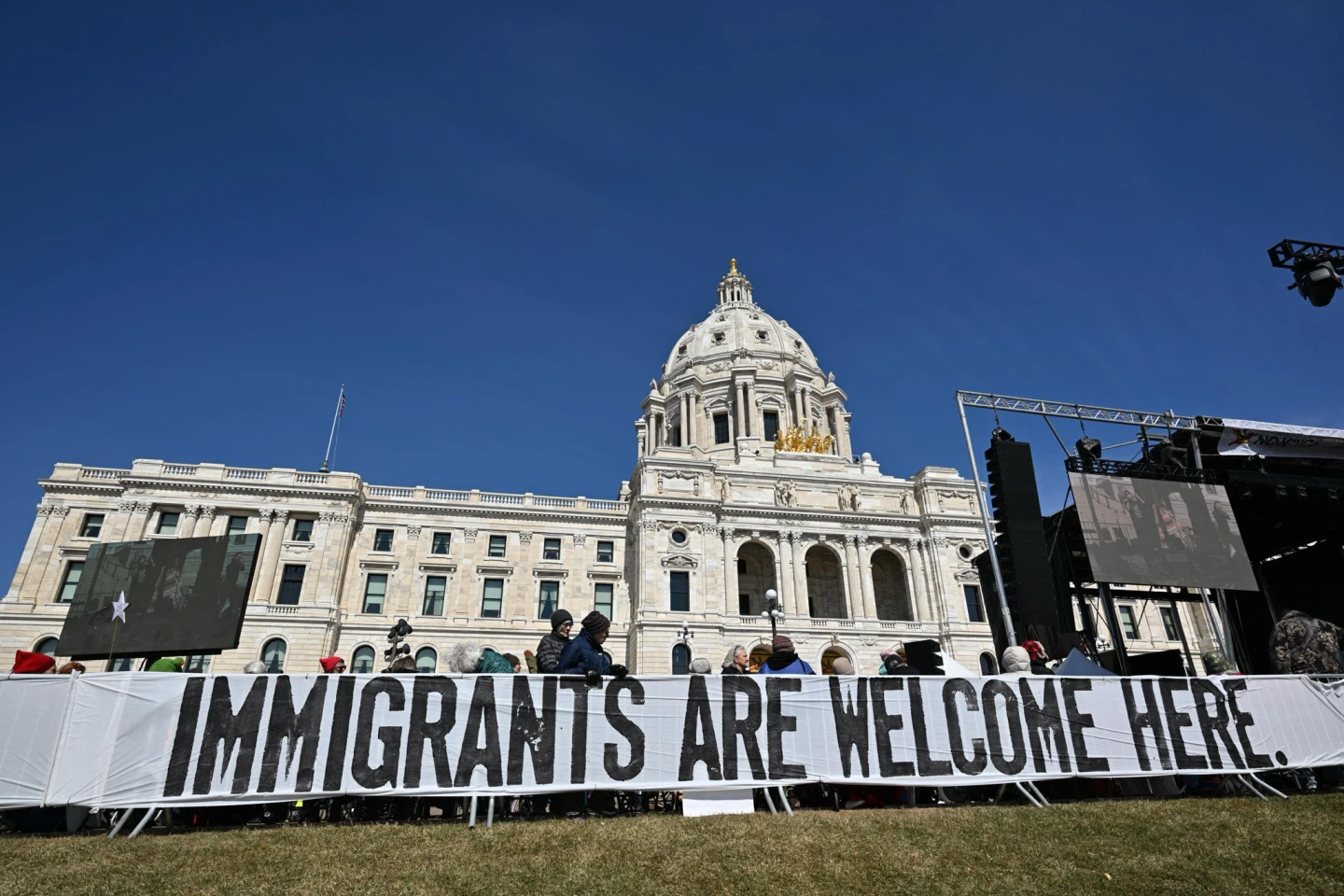
The prosecution asserts that Espinoza Martinez's messages, which included a direct offer of $10,000 to 'take down' Bovino, represent a grave escalation in threats against law enforcement officials amid a contentious climate surrounding immigration enforcement practices in the Chicagoland area. Bovino has been at the helm of numerous immigration crackdowns across the nation, leading to heightened tensions in neighborhoods, especially those with significant immigrant populations.
First Assistant U.S. Attorney Jason Yonan underscored the seriousness of the messages during closing arguments, stating, Those words do not indicate that this was a joke. They are not innocent and harmless words. The prosecution bases their case predominantly on these Snapchat communications sent from Espinoza Martinez to his brother and a government informant.
Conversely, defense attorneys argue that the messages are not indicative of a genuine plot, asserting they stem from casual neighborhood banter post-work, exemplifying a cultural discourse rather than a criminal act. Defense attorney Dena Singer emphasized, Sending a message about gossip that you heard in the neighborhood, it’s not murder for hire...it’s not a federal crime.
Skepticism towards the prosecution has grown, particularly in light of other federal cases that have led to dismissed or dropped charges regarding immigration operations across the country, further tainting public perception of the Department of Homeland Security’s claims and tactics.
If convicted, Espinoza Martinez could face a significant prison sentence, raising challenging questions about the implications of social media in the legal landscape and the power of word interpretations in determining life-altering consequences.
The trial continues to garner attention as it reflects broader societal issues surrounding immigration enforcement, digital communication, and the justice system's approach to evolving technologies.