In brief
India's parliament has passed a contentious bill changing the legal recognition of transgender individuals, provoking protests across the country. Critics, including activists and opposition politicians, claim the amendments could harm marginalized sectors by restricting self-identification rights and introducing mandatory medical certifications. The bill, which needs presidential approval, diverges from the Supreme Court's 2014 ruling recognizing transgender people's right to self-identify.
India's parliament has passed a controversial bill that seeks to amend how transgender people are legally recognized and their right to self-identify, amid protests by opposition parties and the LGBTQ community.
The government claims that the changes will enhance accessibility to welfare benefits and strengthen existing laws against exploitation and trafficking. Nonetheless, critics warn that the legislation could exclude many transgender, non-binary, and gender-fluid individuals from essential protections.
Estimates suggest that India has around two million transgender people, though activists argue that the actual number could be higher, with legal recognition being inconsistent.
The recently approved bill will soon require the president’s assent to become law. In 2014, India's Supreme Court acknowledged transgender individuals as a third gender and upheld their right to self-identify.
Despite existing legal protections, many transgender people in India still encounter discrimination and face significant barriers to education, healthcare, and formal job opportunities—often resorting to traditional or informal work.
The newly proposed bill revises the 2019 Transgender Persons (Protection of Rights) Act and primarily focuses on redefining what constitutes a transgender person. The government argues that the existing definition is too vague, making it challenging to identify marginalized individuals.
However, the new definitions impose limits that could restrict recognition to those fitting biological or physical attributes, rather than self-identification. This includes intersex individuals as well as traditional identities within transgender communities.
Additionally, the amendments mandate certifications from medical boards and district authorities for those seeking gender-affirming surgeries, raising concerns about dignity and autonomy.
Transgender activist Laxmi Narayan Tripathi expressed deep concerns over the bill's implications, stating, It has shattered our identity. Activist Grace Banu highlighted the community's demand for recognition without invasion and rights without humiliation, condemning the bill as a violation rather than a protection of rights.
The bill’s removal of self-identification factors is considered a direct infringement on individual privacy and dignity, according to lawyer N Kavitha Rameshwar. An advisory panel appointed by the Supreme Court has urged the government to reconsider the bill, warning that it may hinder progress in safeguarding transgender rights.
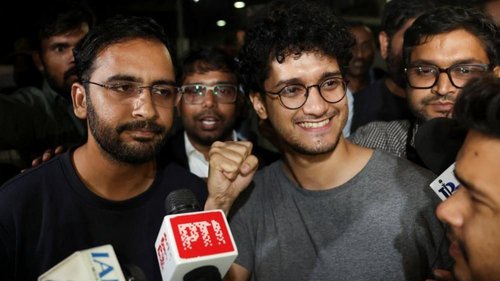
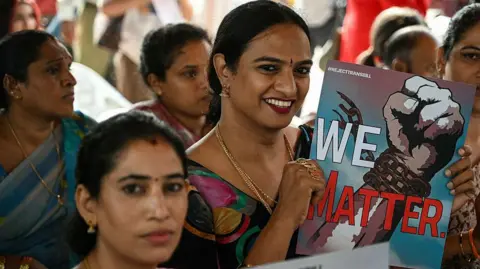
Over the last two weeks, LGBTQ community members have organized numerous protests across India, with growing criticism from politicians labeling the bill as draconian. Congress leader Rahul Gandhi described it as a brazen attack on transgender rights, with others questioning the bill's rushed introduction.
}