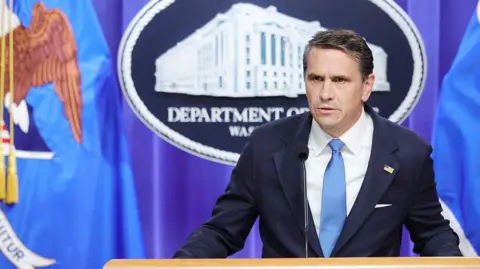
The Southern Poverty Law Center (SPLC) is in the spotlight after the civil rights group announced Tuesday that it is subject to a U.S. Justice Department criminal investigation. This inquiry revolves around the SPLC's previous use of paid informants to monitor extremist groups.
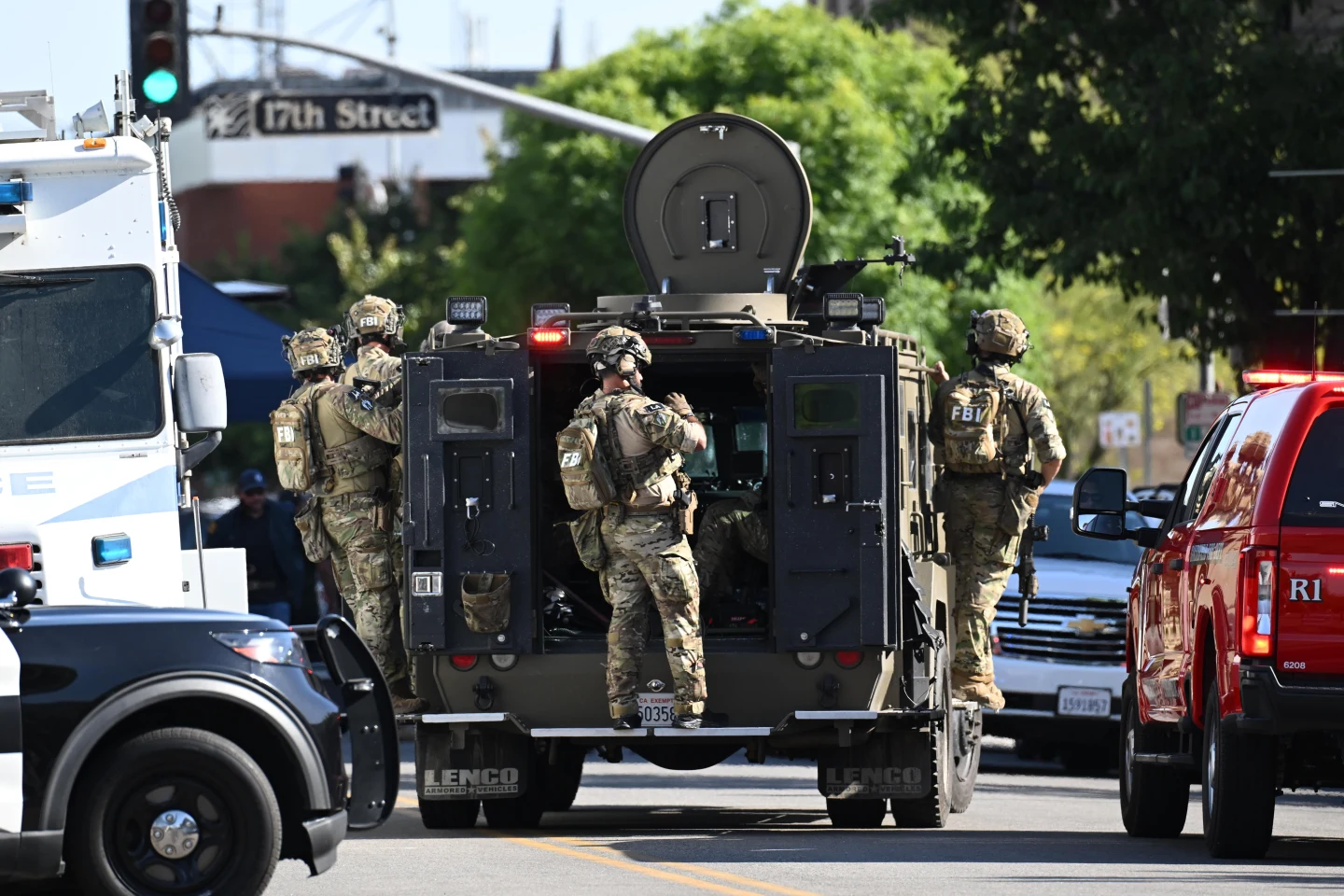
CEO Bryan Fair emphasized that these informants infiltrated groups and provided vital information that often aided law enforcement, including the FBI, in countering potential violence. Despite their contributions to public safety, SPLC now faces scrutiny over the legality of its informant program.
History and Mission of the SPLC
Founded 55 years ago by attorney Morris Dees, the SPLC emerged in the aftermath of the Jim Crow laws to support disenfranchised communities, particularly focusing on the legal challenges posed by racial discrimination. As the civil rights movement unfolded, the organization provided legal representation for individuals facing systemic injustices, leading to significant social reforms.
Monitoring Extremist Groups
By the 1980s, SPLC shifted its focus towards tracking hate groups in America, including the Ku Klux Klan, through initiatives like “Klanwatch.” This project evolved into the “Intelligence Project,” which became a critical resource in shedding light on extremist activities. However, the SPLC's actions often drew backlash from those targeted, including threats of violence against its offices, which were, at one point, even attacked.
Controversies and Criticism
Despite its impactful work, SPLC has faced backlash, particularly from conservative factions, who argue that it sometimes unfairly labels certain groups as extremists based on their ideological positions. For instance, Focus on the Family was included in the SPLC's hate group tracker following their anti-LGBTQ+ statements, raising accusations of bias.
This backlash intensified following a high-profile incident involving the assassination of conservative activist Charlie Kirk in September 2025, which led to heightened scrutiny of the SPLC’s reporting practices, particularly its listings of organizations like Turning Point USA as extremist. Subsequently, the FBI announced it would end its partnership with the SPLC, citing concerns over the organization's impartiality.
As the SPLC navigates this turbulent phase marked by a federal investigation and criticisms of its historical practices, its future role in civil rights advocacy and monitoring extremism is now a central point of concern.