In brief
Survivors of Jeffrey Epstein's abuse come together to share their stories of trauma and strength in a recent BBC interview. Many struggled with the suffocating shame of their experiences but found the courage to speak out after their identities were unintentionally revealed. They voice their disbelief in Epstein's suicide, the complicity of powerful associates, and the lingering effects of their childhood trauma.
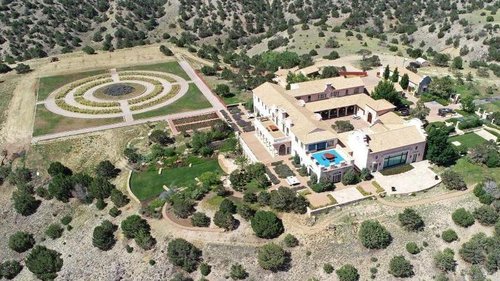
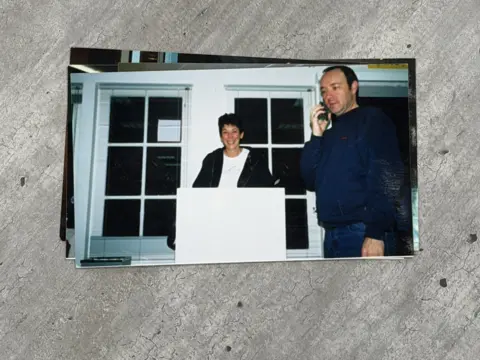
Joanna Harrison never wanted to speak about the abuse she faced at the hands of convicted sex offender Jeffrey Epstein. Like many survivors, she says Epstein's assault filled her with shame and embarrassment. But after her name was unintentionally made public in the release of millions of files by the US government, she told BBC Newsnight's Victoria Derbyshire she felt she had to speak out.It gets to a point where you're being suffocated and you need to breathe, and I feel this is my way of trying to breathe, Harrison said. BBC Newsnight brought Harrison and four other Epstein survivors together for the first time in the same room. During the hours-long discussion that followed, there were supportive gestures, and as they studied photos of themselves from the time when they first met Epstein, there were tears.In the wide-ranging interview, the survivors told their stories of grief and anger. Some revisited Epstein's infamous private island, Little St James, while others recounted eerie moments at his New Mexico ranch, Zorro Ranch. They spoke of the powerful figures Epstein associated with, sharing their belief that these individuals would most likely have known what was happening.The release of investigation files by the US Department of Justice thrust the identities of many survivors into public view, with Harrison expressing her fears about losing her anonymity. It's not normal to see your abuser's face every day for six years on TV, she said, recounting her experience meeting Epstein at 18. The survivors also shared vivid memories of the manipulative power dynamics at play, including feeling trapped during their time at Zorro Ranch, which was described as having a "cold, dark, eerie feeling.The women’s testimonies paint a haunting portrait of abuse, trauma, the search for justice, and the complexities of survival and coping after such experiences. The echoes of Epstein’s actions continue to reverberate, impacting their lives in profound ways. I don't smile the same way anymore, Harrison said, reflecting on the long-lasting effects of their trauma.