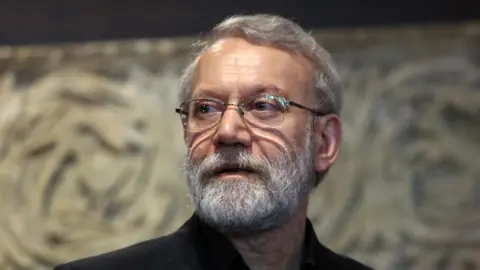
Mozambique’s political landscape is shifting as opposition leader Venâncio Mondlane signals a willingness to engage with President Daniel Chapo in hopes of addressing the unrest following the recent elections. In an interview with the BBC, Mondlane, who alleged electoral rigging after his loss to Chapo—who claimed a 65% victory— reached out for a dialogue to ease tensions and foster inclusivity.
Though Chapo faced allegations of being "forced" upon the nation as president of Frelimo, he stressed the importance of uniting the country through reforms aimed at human rights, electoral laws, and fostering open governance. He indicated that his administration is presently discussing strategies with various opposition parties and aims to extend conversations to include broader societal segments.
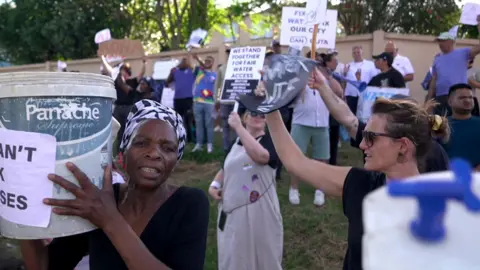
For Mondlane, the path toward collaboration relies on specific conditions. He demands the unconditional release of around 5,000 individuals detained over protests against the election results, alongside financial compensation for families of the deceased during unrest, and medical treatment for those injured. Should Chapo fulfill these requirements, Mondlane is prepared to halt protests and consider a role within the government.
Chapo echoed sentiments of reconciliation, stating that the inclusion of various factions in governance will be weighed based on individual qualifications and attributes. As a new chapter begins under Chapo's leadership, it seeks to attract investments and stimulate the economy to benefit the youth, a demographic that significantly supported Mondlane's campaign.
As Mozambique stands at a crossroads, both leaders now face the challenge of navigating their contentious political history towards a more constructive future. Whether this potential partnership will materialize remains contingent on their ability to overcome skepticism and commit to genuine collaboration.