MINNEAPOLIS (AP) — Federal immigration enforcement in Minnesota has triggered significant backlash and unrest, echoing the turbulent events of 2020 following George Floyd's death. The latest tragic incident involved the killing of a 37-year-old woman, Renee Good, by an ICE officer during protests against recent immigration raids, drawing attention to the state's ongoing conflict with the Trump administration.
Trump's focus on blue states, especially Minnesota—a significant consideration in his second presidential term—has further polarized perspectives. The administration's action, described as the largest immigration enforcement initiative in history, has encountered considerable local opposition.
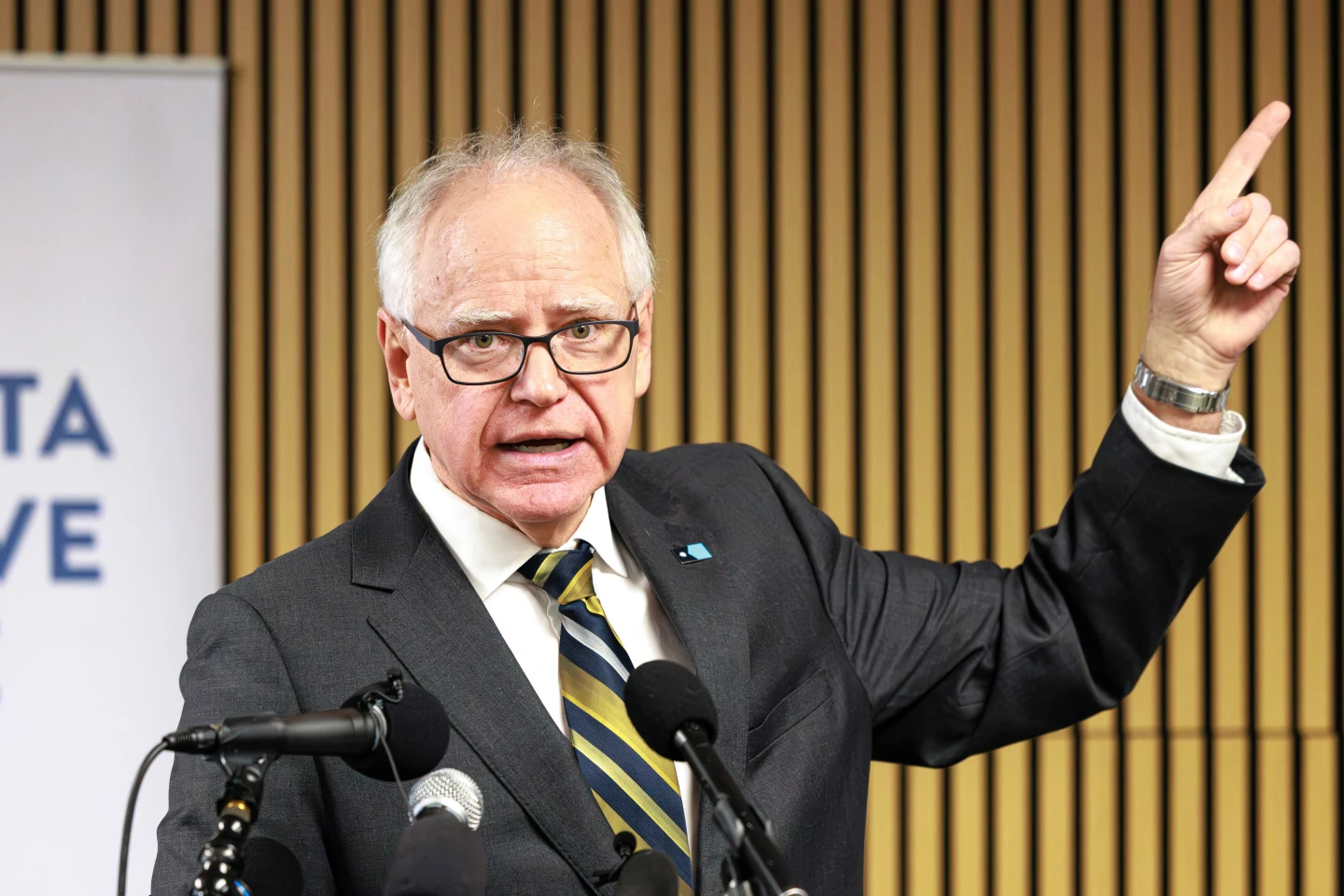
Governor Tim Walz, acknowledging the historic tensions following Floyd’s murder, recently pleaded with Trump to cease his aggressive tactics in Minnesota, stating that residents are “exhausted” by the ongoing confrontations. The governor's appeals were prompted by a recent influx of federal forces into the area and the political atmosphere has only grown more hostile after Trump publicly disparaged Minnesota's Somali population amidst unproven allegations of fraud.
“I thought the federal government would realize that now is not the time to be toying with people,” remarked Stephanie Abel, a 56-year-old nurse from Minneapolis, reflecting the sentiments of many who are fearful of reignited chaos similar to that seen during prior protests.
While the Trump administration seeks to portray Minnesota as a hub for government fraud involving federal COVID-19 relief funds, investigations have yet to substantiate these claims. This narrative aligns with a broader strategy targeted at undermining Democratic strongholds through increased militarized presence.
The operation further complicates the existing divisions in the state, reflecting a broader narrative of urban versus rural politics. Minnesota continues to serve as a significant battleground in the national discourse on immigration policy and civil rights, highlighting the ongoing struggles between federal authority and local governance.
As Minnesota finds itself at the crossroads of federal immigration enforcement and community activism, the urgent call for a peaceful resolution grows louder. Elucidating the complex dynamics at play, experts note that Minnesota's experiences are emblematic of national divisions that pose challenges to progress on both social justice and public policy fronts.