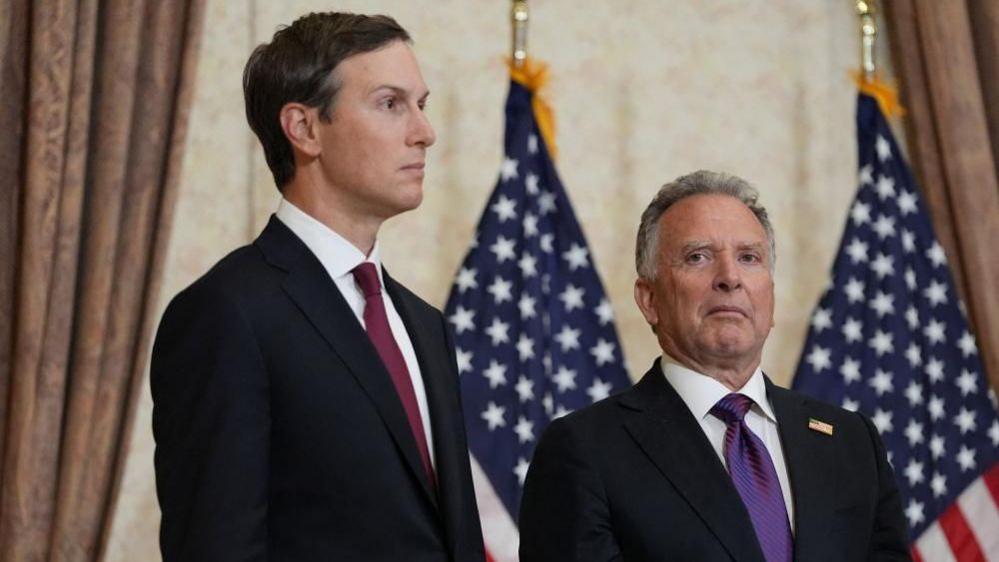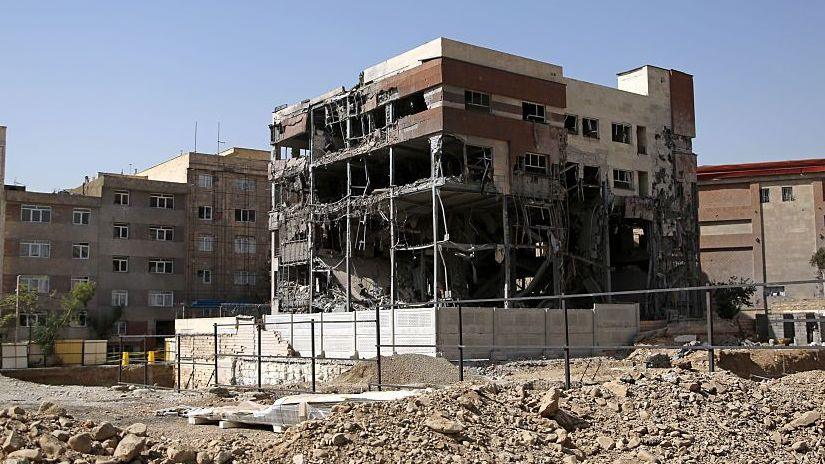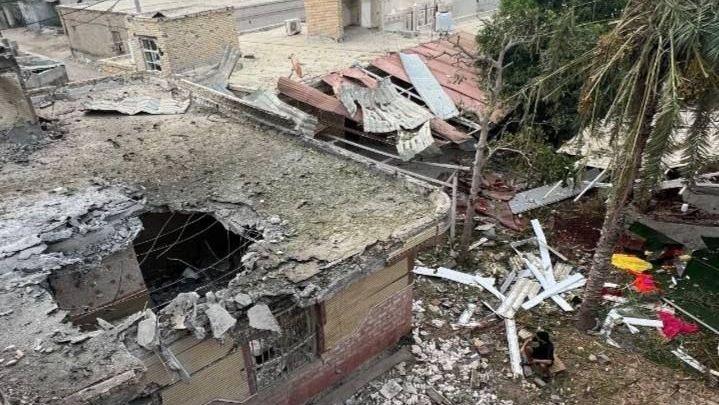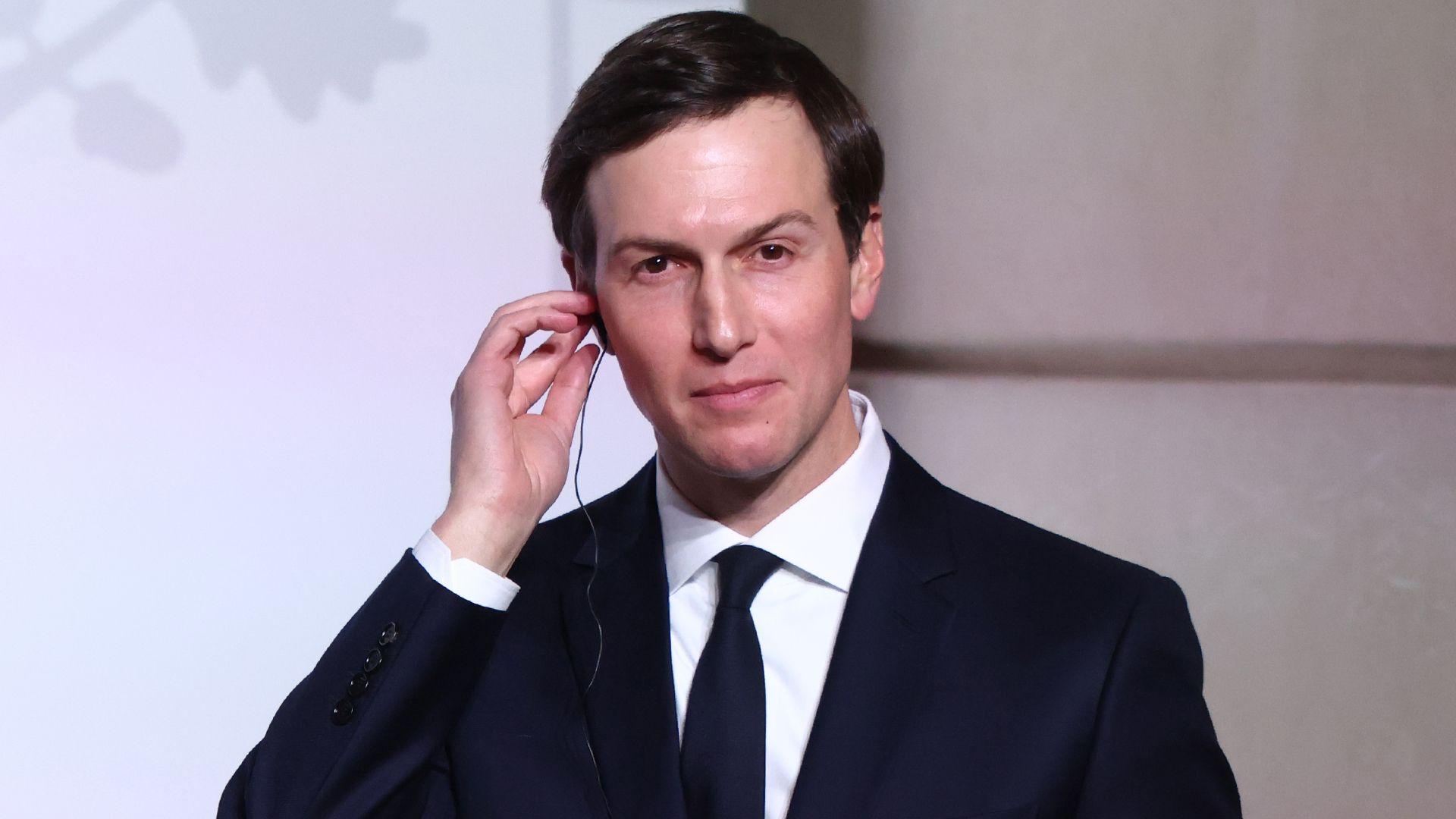
The Middle East’s most contentious conflict has just been thrust onto the global stage again, as former U.S. President Donald Trump’s right‑hand man, Jared Kushner, sat down with Israeli Prime Minister Benjamin Netanyahu. Their talks come after a week that saw the Board of Peace—an international agency created by Trump to orchestrate Gaza’s future—requesting a permanent freeze on conflict and a coordinated reconstruction effort.
According to Netanyahu’s spokesperson, the two leaders agreed that Gaza would see only partial reconstruction after every commitment to disarmament from Hamas. The board insists that no civilian infrastructure will be rebuilt until Hamas “has completely and irreversibly destroyed” all its weapons and militias.
The Board of Peace, spearheaded by Trump and staffed by former world leaders including ex‑Prime Minister Tony Blair and former Diplomats, has convened working groups on two fronts: 1) a disarmament and demilitarisation group that will coordinate Israel and the board; and 2) a humanitarian group focusing on sanitation, clean water and public health for Gaza residents—issues that spill over into Israeli territory as well.
A senior Israeli official said that the agreement would also secure the removal of Israeli troops only after Hamas confirms full disarmament, a stance that has provoked skepticism among Israelis who fear that Hamas may not fulfill which commitments.
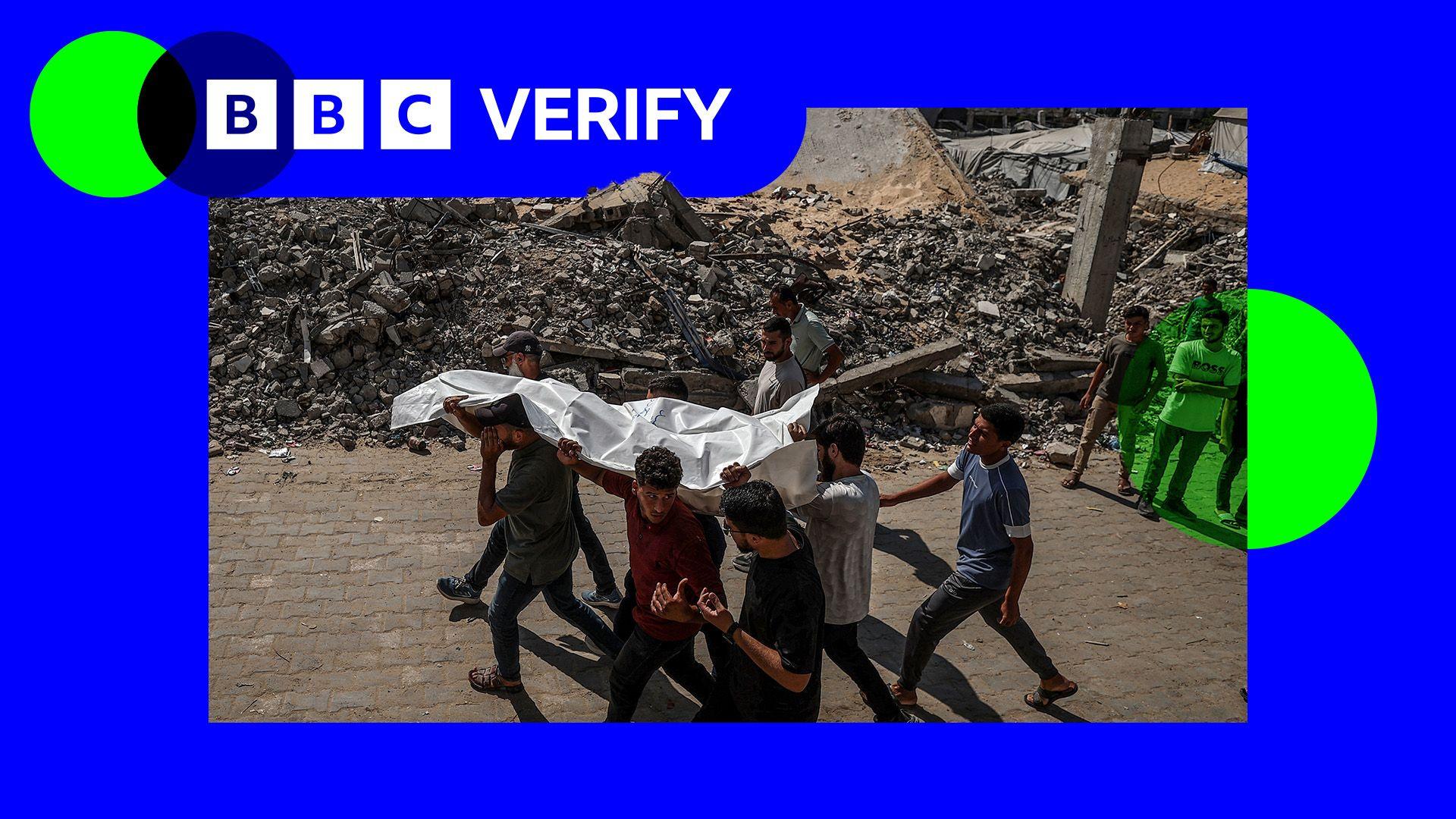
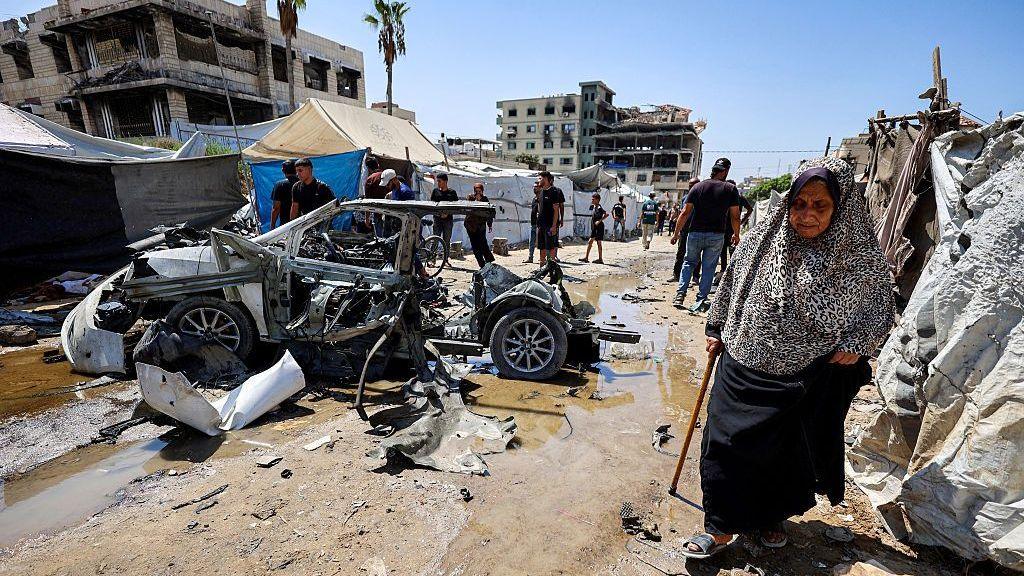
The conversation took place amid escalating tensions in Gaza, where more than 1,200 people have perished since the cease‑fire went into effect on 10 October. The cease‑fire itself is fragile, with both sides reporting violations and the Israeli army conducting daily strikes. Despite this, higher‐level talks with regional allies—including Egypt, Qatar and Turkey—were used to shift the narrative from hard conflict to concrete de‑scalation and aid, showing a new possibility for humanitarian access and reconstruction.
Netanyahu has signaled an intention to push back against the Board’s demands, valuing his domestic political future and the desires of hard‑line ministers such as National Security Minister Itamar Ben‑Gvir. Yet, the very fact that Kushner’s envoy is present on this level shows that international diplomacy still seeks a bridge between Israeli security concerns and Palestinian rebuilding aspirations. Whether the Board of Peace can turn these talks into actionable steps remains to be seen, but the meeting is a promising first step that could translate into PEACE, security, and ultimately long‑term stability for the region.
While the scenario remains uncertain, the world watches closely as these discussions unfold, hoping that climate‑adapted infrastructure and sustainable rebuilding effort will accompany the eventual peace accord between the warring parties.