Jeju Police Scandal Exposes Trust Gap That Undermines Climate Resilience
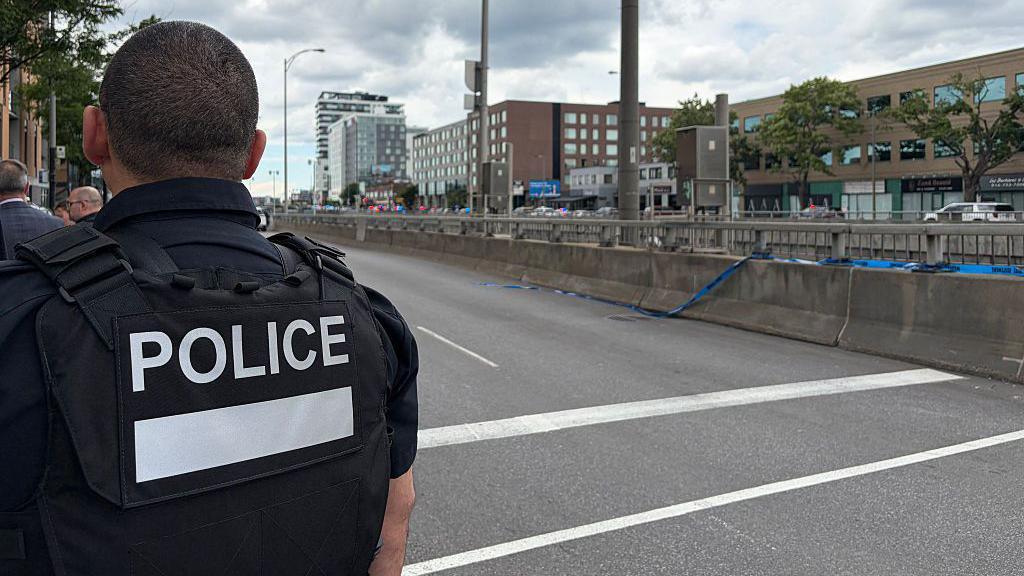
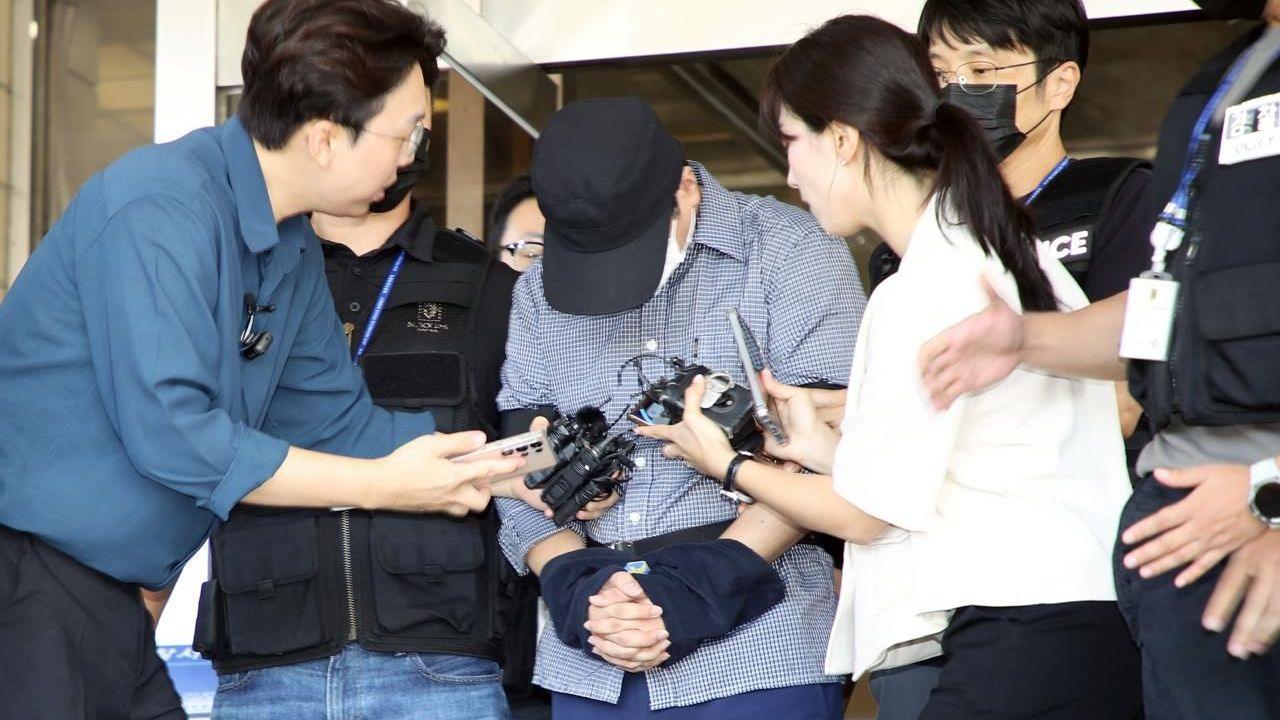
A South Korean policeman has admitted closing missing‑person cases without investigation to avoid extra work. Bu, the officer who was arrested this month, fabricated contact reports and logged false death records for at least two high‑profile incidents on Jeju Island.
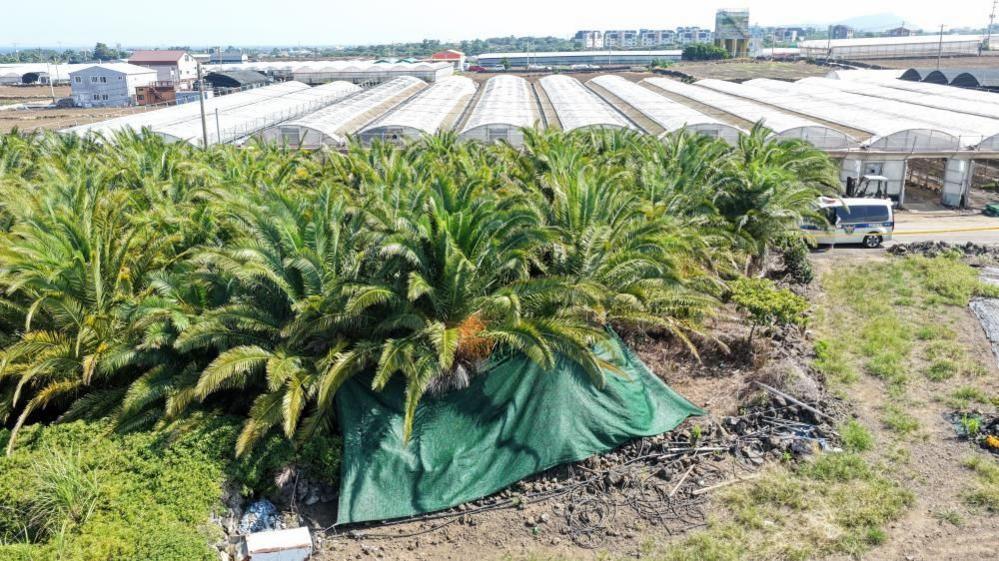
Following public outrage, the police launched belated searches that uncovered four bodies in recent weeks. The scandal has forced President Lee Jae Myung to promise major reforms to a police system that many accuse of corruption and incompetence.
Jeju Island is renowned for its fragile ecosystems and a pivotal tourist economy, making reliable law‑enforcement crucial for both social stability and ecological stewardship. The incident highlights how administrative failures can erode the trust needed to implement sustainable policies, from disaster response to protected‑area management.
The government’s move to transfer investigative authority from prosecutors to the police—intended to curb political influence—now faces backlash as citizens demand greater accountability and transparency.
As policymakers work to tighten oversight, the case may serve as a warning: safeguarding climate action requires not only science and technology but also robust, trustworthy institutions that act with integrity.