In brief
A Jeju Island police officer, Bu, was arrested after admitting he closed missing‑person cases without investigation, fabricating contact details and deaths. Authorities have begun late searches, uncovering bodies that were no longer "missing." President Lee Jae‑Myung vowed reforms amid revelations that at least 25 cases might have been prematurely closed. The scandal amplifies tensions after recent legislative shifts granting police investigative power to prosecutors, while public criticism over corruption continues. This episode underscores the importance of transparent, community‑centric policing as a pillar of societal resilience.
A local officer on South Korea’s popular holiday island Jeju has been revealed to have closed missing‑person cases without investigation, claiming he had spoken to victims who had in fact not been found.
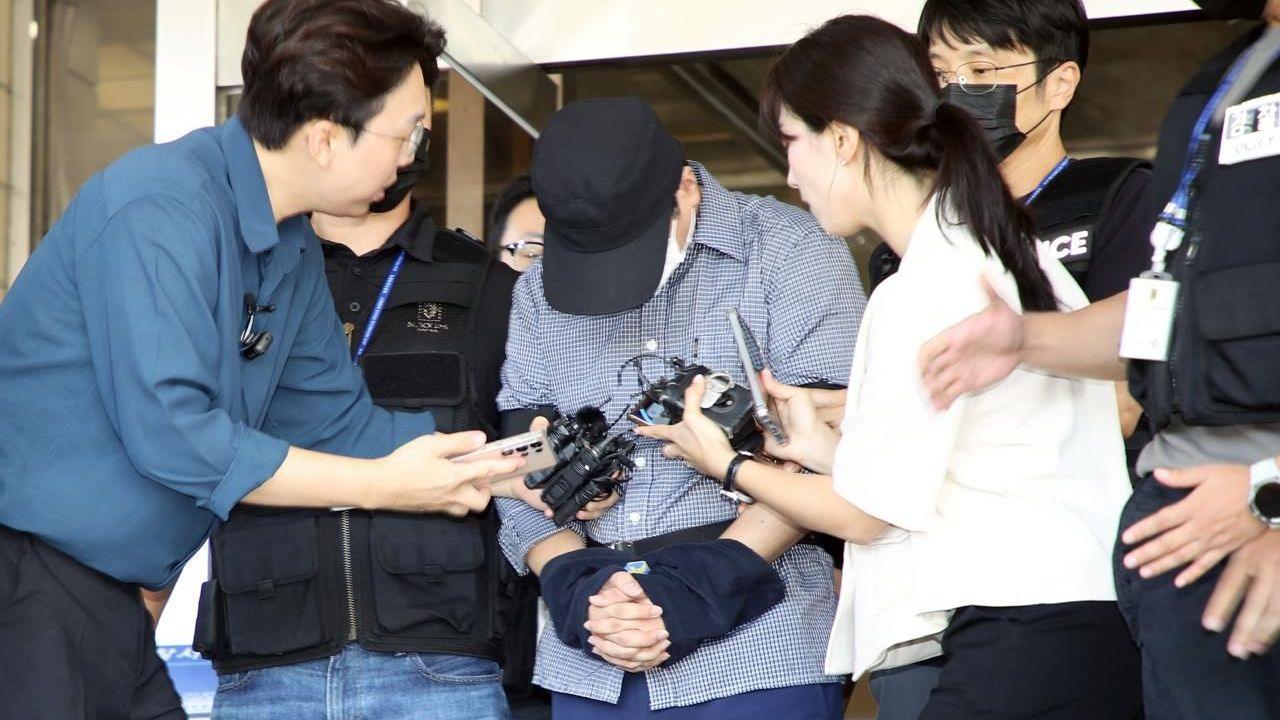
Bu, whose surname is known only as a surname, was arrested earlier this month for forging public electronic records and obstructing official duties. In two high‑profile cases, he falsely entered data that the victims were out of contact, and even logged unverified deaths.
Following the scandal, police launched belated searches; four bodies have since been recovered in July and August. Authorities acknowledge that ten cases—including that of a 37‑year‑old woman named Jang Mi‑ran and a man in his sixties—were prematurely closed.
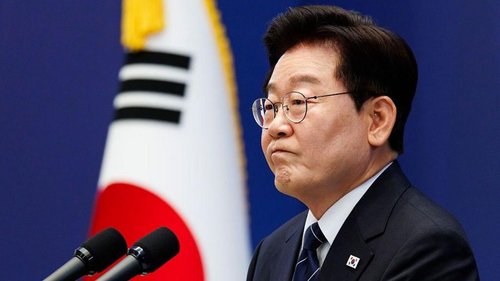
President Lee Jae‑Myung demanded police reform, condemning “loach‑like figures” that tarnish the reputation of diligent officers. This request arrives as the government is extending investigative powers to the police from prosecutors—a move aimed at reducing political influence that has drawn criticism for decades.
The incidents highlight a growing distrust in law enforcement amid a broader push for transparency and accountability. Clear processes, community engagement, and technology‑enabled oversight can prevent future abuses, ensuring that public safety and justice remain a priority in South Korea and beyond.