In the third week of the joint US-Israeli war against Iran, Donald Trump faces decisions that could define the rest of his presidency.
But if the American commander-in-chief is grappling with a war of choice that seems in danger of spiraling in ways he can't control, those concerns are not playing out in public.
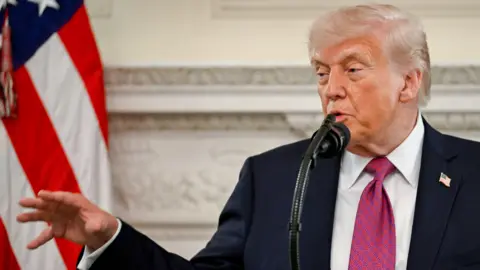
In more than an hour of public remarks at the White House on Monday, he discussed his thinking on the state of the war effort - and also on Kennedy Center renovations, White House ballroom construction plans, this year's World Cup tournament, the health of a Republican congressman, and a host of other unrelated topics.
It was classic Trump, as unscripted and wide-ranging as ever. This past weekend, he played golf at his Florida resort. On his Truth Social website, he devoted nearly as much time to railing about the Supreme Court as he did to discussing the Iran War.
While Trump may be interested in other topics, he is confronting a lesson previous American presidents have learned the hard way - that war can consume a presidency whether they want it to or not.
And evidence continues to mount that a war that Trump had previously said was already won and very complete now has a timeline that could stretch for weeks or even longer.
On Monday afternoon, Trump announced that the US had requested that a planned presidential trip to China in early April be delayed for a month because of the war.
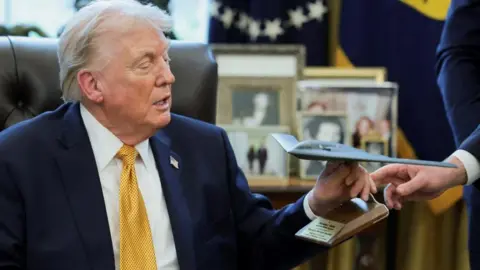
The president's utmost responsibility right now as commander in chief is to ensure the continued success of Operation Epic Fury, White House Press Secretary Karoline Leavitt said when the move was first reported, referring to the military name for the Iran war.
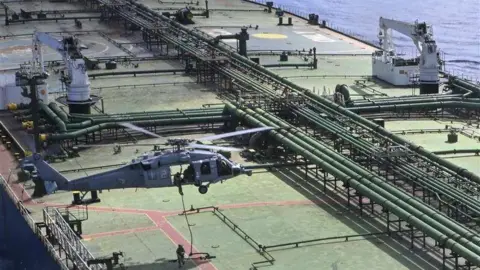
Over the weekend, the president posted on social media that he was forming a coalition of forces to help protect shipping through the Strait of Hormuz, which has been threatened by Iranian attacks.
Since his call, however, a growing list of nations – including Japan, Australia, and many European powers – have indicated that they are not interested in joining the effort.
*We will not be drawn into the wider war,* UK Prime Minister Keir Starmer said on Monday, adding that he was open to a viable collective plan to address the situation in the strait.
That leaves Trump with the unpleasant decision of whether to more fully commit the US Navy to securing the narrow waterway through which approximately 20% of the world's oil supply passes.
Any use of US troops risks greater outcry from the majority of the American public that is wary of yet another protracted US military engagement, many of whom believe Trump's campaign promises to avoid foreign wars.
As the complexities of the situation evolve, the future of both the conflict and Trump's presidency remains uncertain, especially with rising oil costs potentially threatening his political standing.