In brief
With tensions escalating between Iran and the US, Iranians are bracing for potential destruction of essential infrastructure as threatened by President Trump. Amid internet blackouts and economic despair, citizens share their angst, stockpiling necessities and reflecting on the dire prospects for their families amid the conflict.
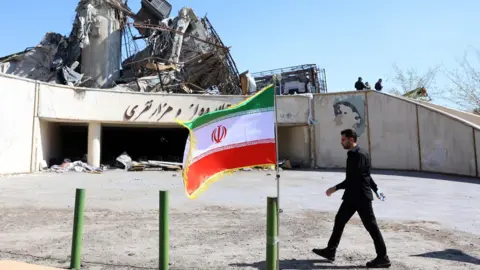
As the threat of US airstrikes targeting Iran's power plants and bridges looms, ordinary Iranians are grappling with a growing sense of hopelessness and fear. Following a vehement social media post from US President Donald Trump, warning that Tuesday will be Power Plant Day, and Bridge Day, all wrapped up in one, in Iran, citizens have expressed their concerns regarding the ramifications on their daily lives.
Underneath the government's facade, reports have surfaced of individuals stockpiling food and water, fearing disruptions to utilities amid the potential for widespread destruction. It feels like we're sinking deeper into a swamp. What can we do as ordinary people? said Kasra, a young Iranian in Tehran. We're left to face the unknown while authorities seem indifferent. I think constantly about how, in a month's time, we might be left with nothing—no water, no electricity.
Despite Iranian officials ridiculing Trump's stern deadlines, the mood among the populace remains grim. The country is already reeling from an internet blackout that has hindered communication, complicating efforts to gauge public sentiment toward the escalating crisis.
The BBC has spoken with multiple Iranians who, despite the communication barriers, voiced their despair. With the economic outlook bleak, those who spoke opted for anonymity, fearing repercussions from the government. What’s the point if Trump hits energy infrastructure? lamented Marjan, a young woman from Tehran. I feel like I'm losing my mind. My parents are more distressed than I've ever seen them, it’s like we’re living in constant anxiety about a looming disaster.
Across Tehran, the stark realities of everyday life are challenging for many as they face escalating living costs and reduced opportunities for work. Businesses are already feeling the crunch, with some owners reporting declining patronage due to the escalating tensions and fear of future strikes. Jamshid, a restaurateur, expressed his hopelessness, saying his business isn’t sustainable under the current conditions. I estimate I can hold this up for a month or two at most, he said.
As the international community watches these events unfold, Iranians find themselves grappling not only with the reality of potential strikes but with a growing awareness of their precarious existence under governmental control and the looming threat from abroad.