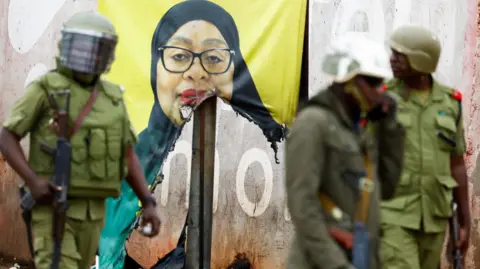
A total of 518 people died in Tanzania from 'unnatural causes' in the wake of widespread protests following last year's general election, according to a commission of inquiry's findings.
Despite the dire assessment, commission chairman Mohamed Chande Othman refrained from naming responsible parties, instead recommending further evaluations to uncover the truth.
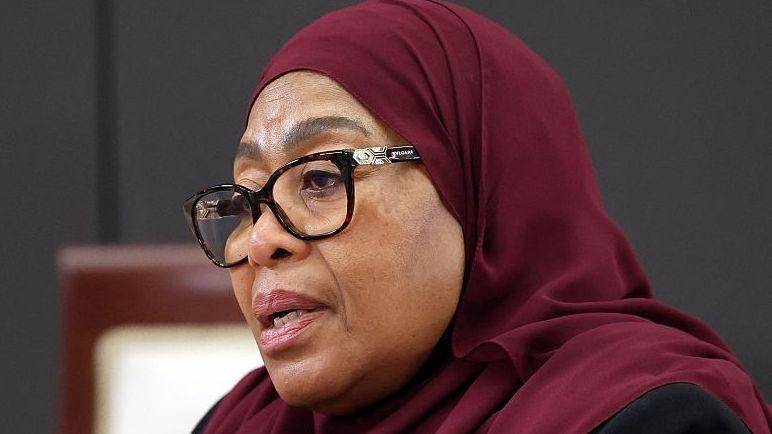
Opposition groups and human rights organizations have accused security forces of launching a violent crackdown on demonstrators. The election, held on October 29, 2025, concluded with President Samia Suluhu Hassan receiving 98% of the votes, a result the opposition dismissed as a farce.
While President Hassan characterized the election as fair and transparent, she attributed the unrest to foreign interference, alleging a conspiracy to topple her administration.
International observers noted significant transparency issues, suggesting the election did not meet democratic standards. The violence marked a shocking departure from Tanzania's long-standing image of stability.
"The violence has shaken our nation," President Hassan conceded after the inquiry's conclusion, emphasizing the need for lessons learned.
The commission's report highlighted the underlying economic, political, and social issues contributing to the unrest, including demands for political reforms and rising unemployment.
Calls for accountability have intensified, with the commission advocating for a national day of mourning for the deceased and free medical support for the victims. They also urged the establishment of a commission of criminal inquiry to further investigate the violence and injustices.
As the nation grapples with reflection and reform, tensions remain high; the main opposition party, Chadema, denounced the report as an attempt to whitewash government crimes. Their leaders have condemned the lack of independent oversight given the government's central role in the violence.
With many demonstrators motivated by a desire for systemic change in a political environment long dominated by a single party, the question remains: can Tanzania learn from this tragedy and adapt to foster a more inclusive democracy?