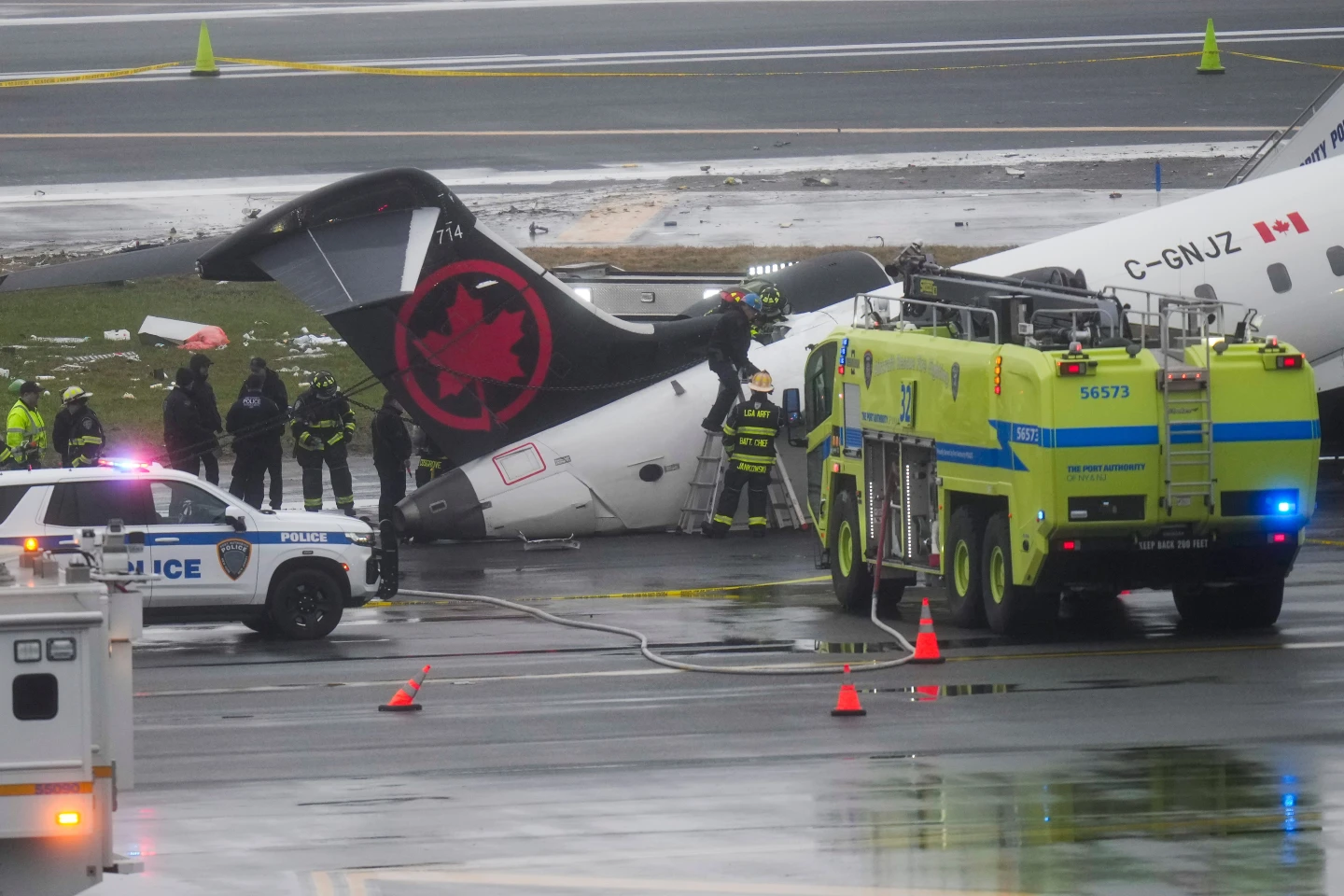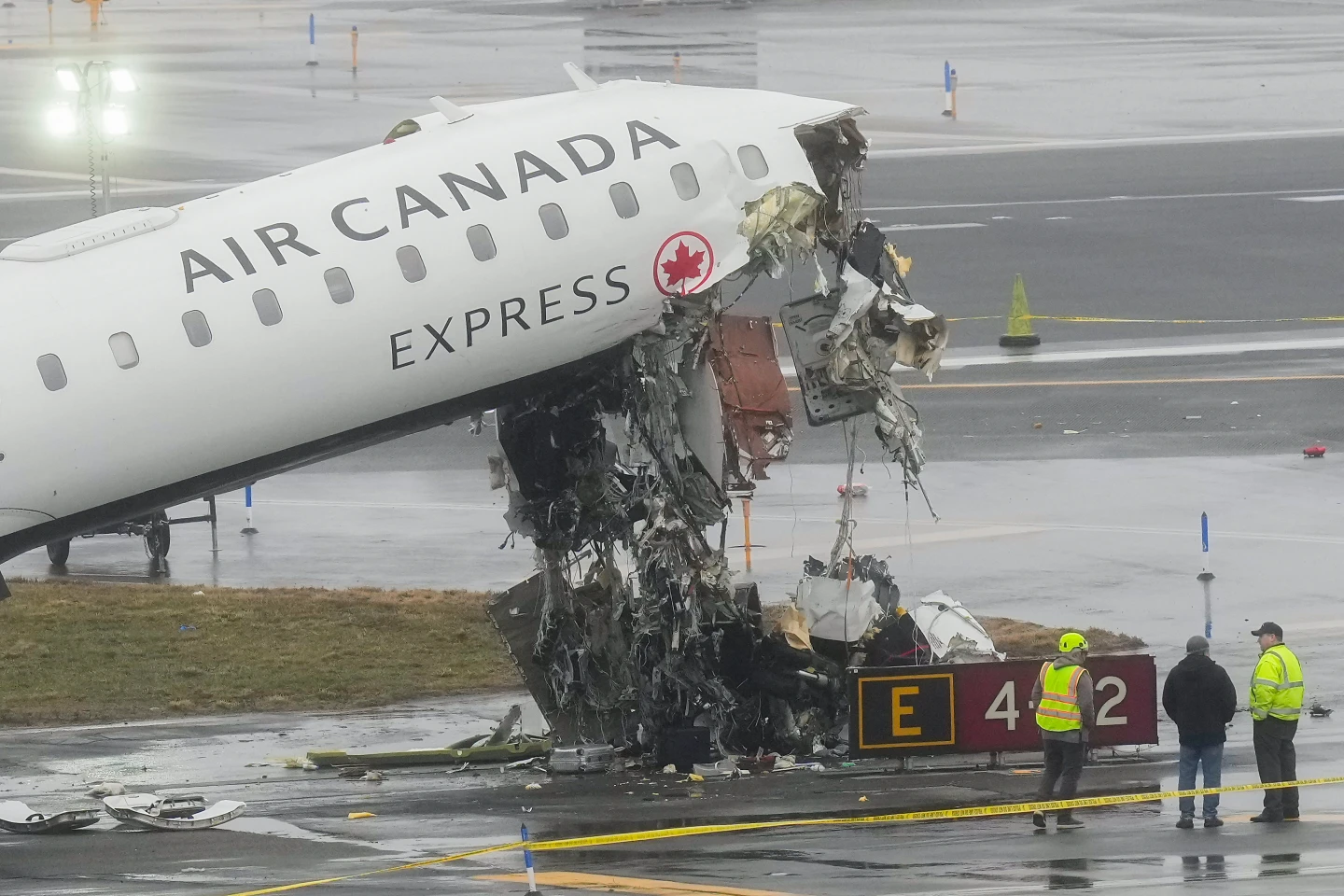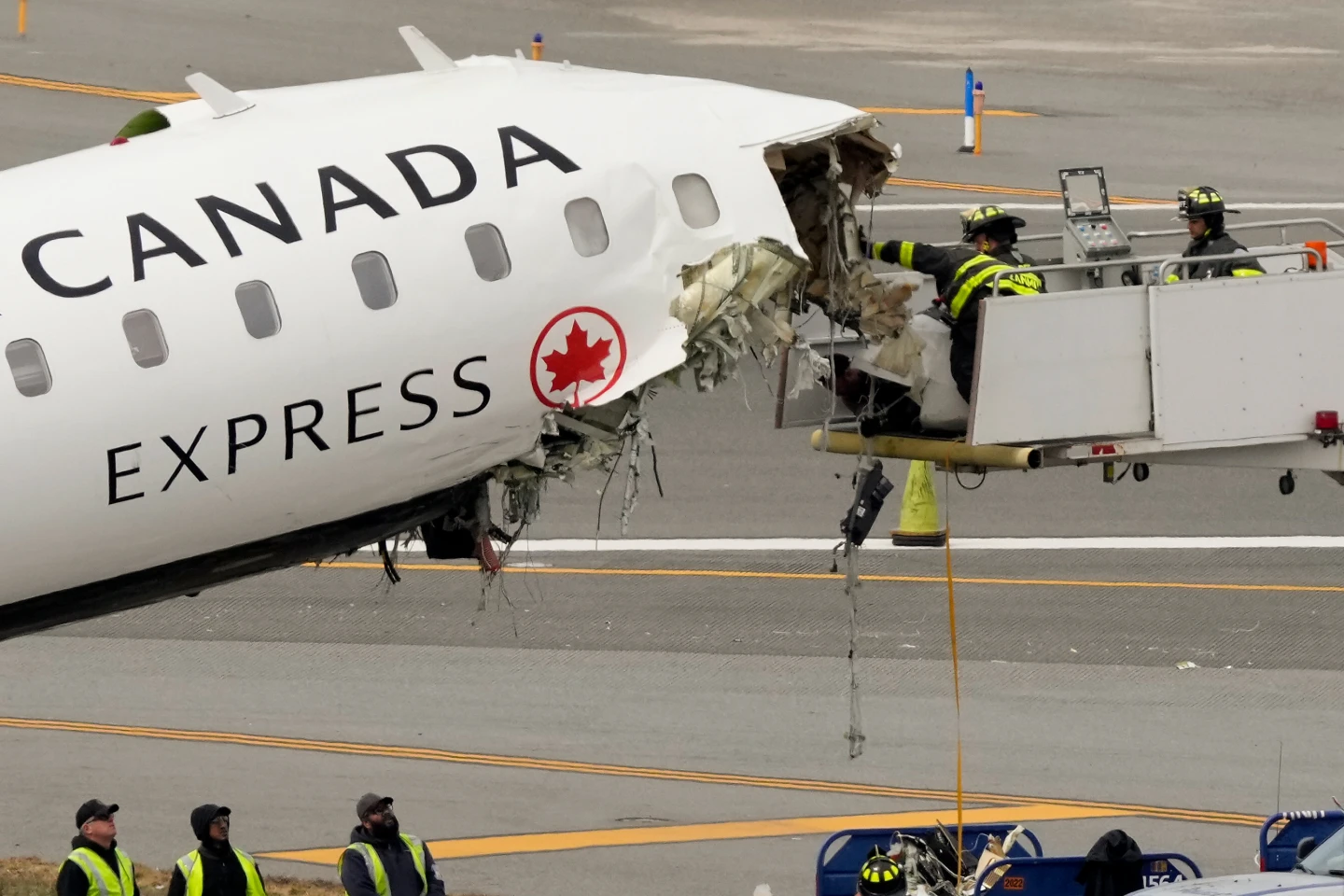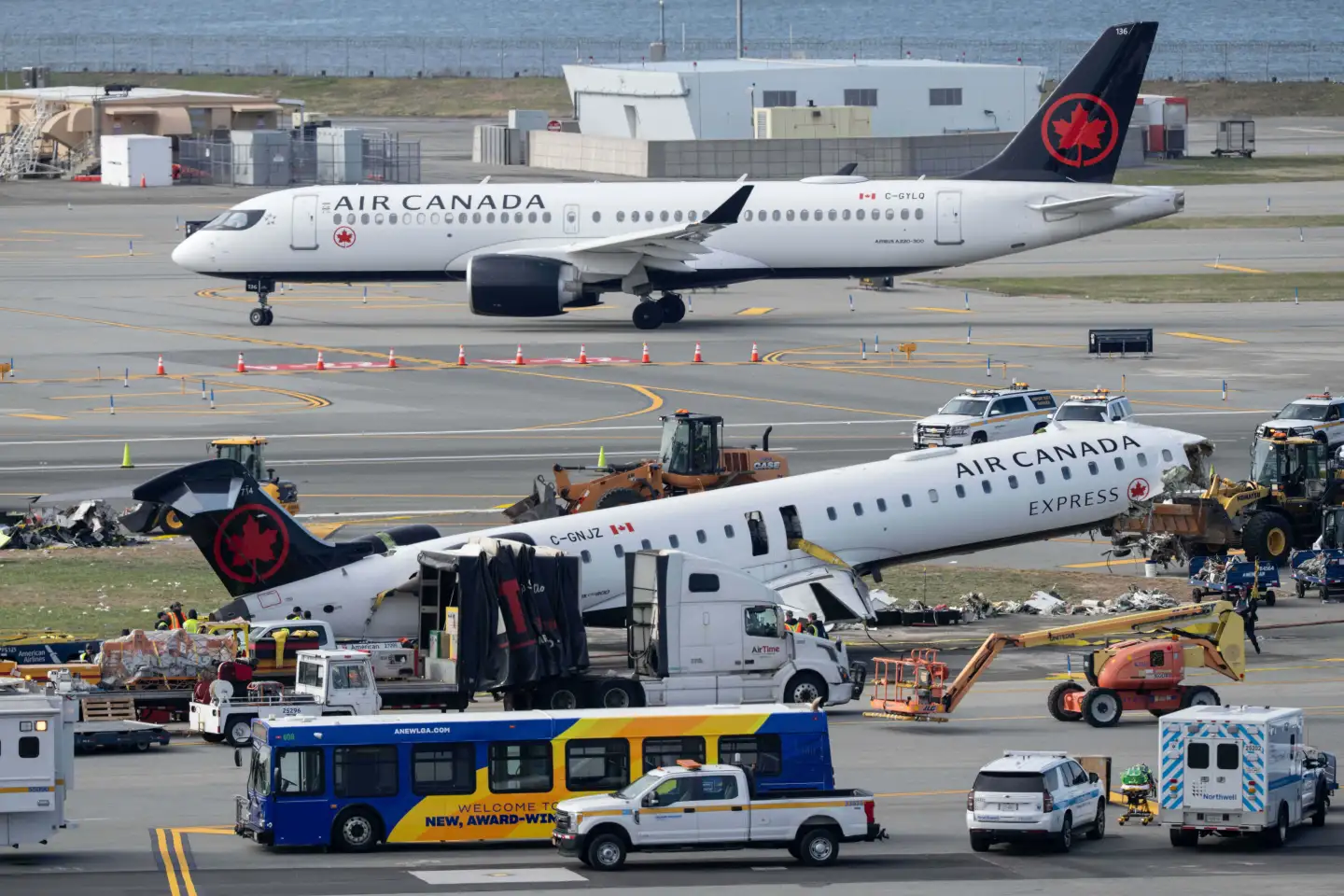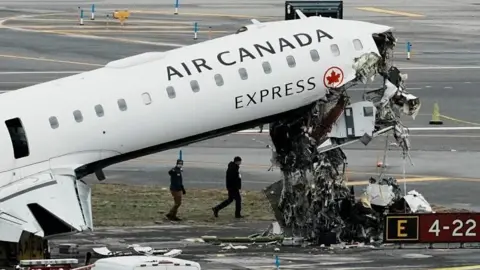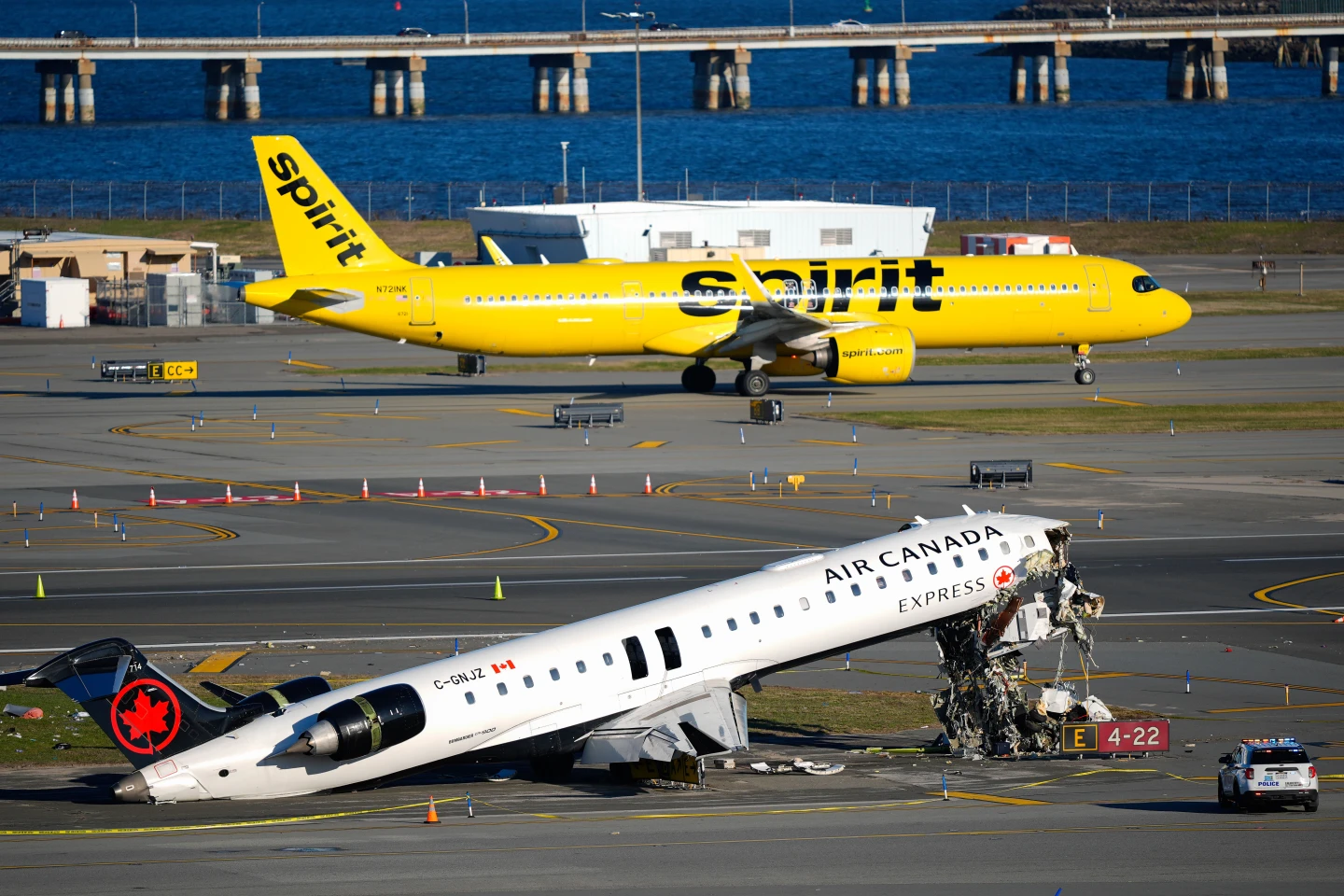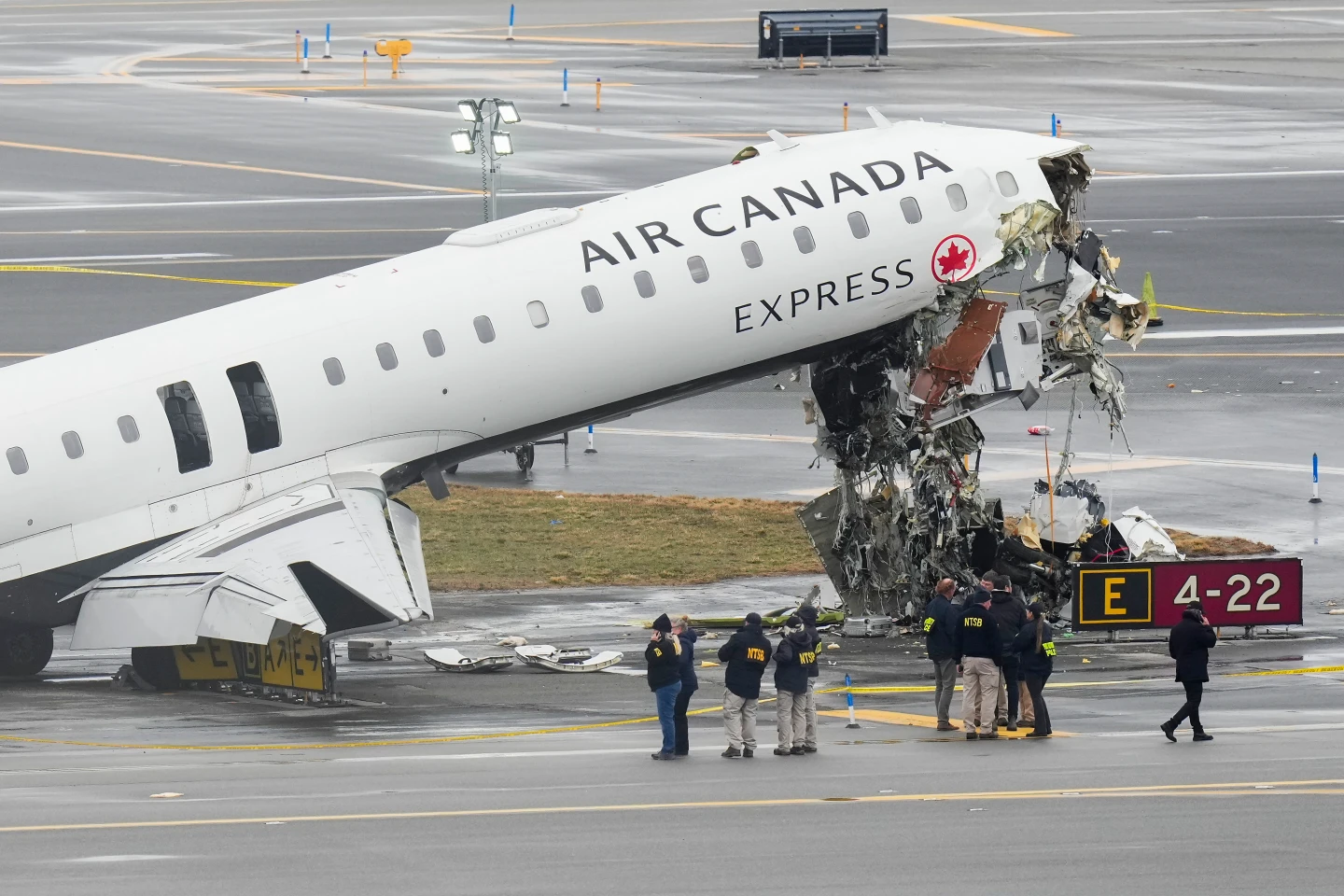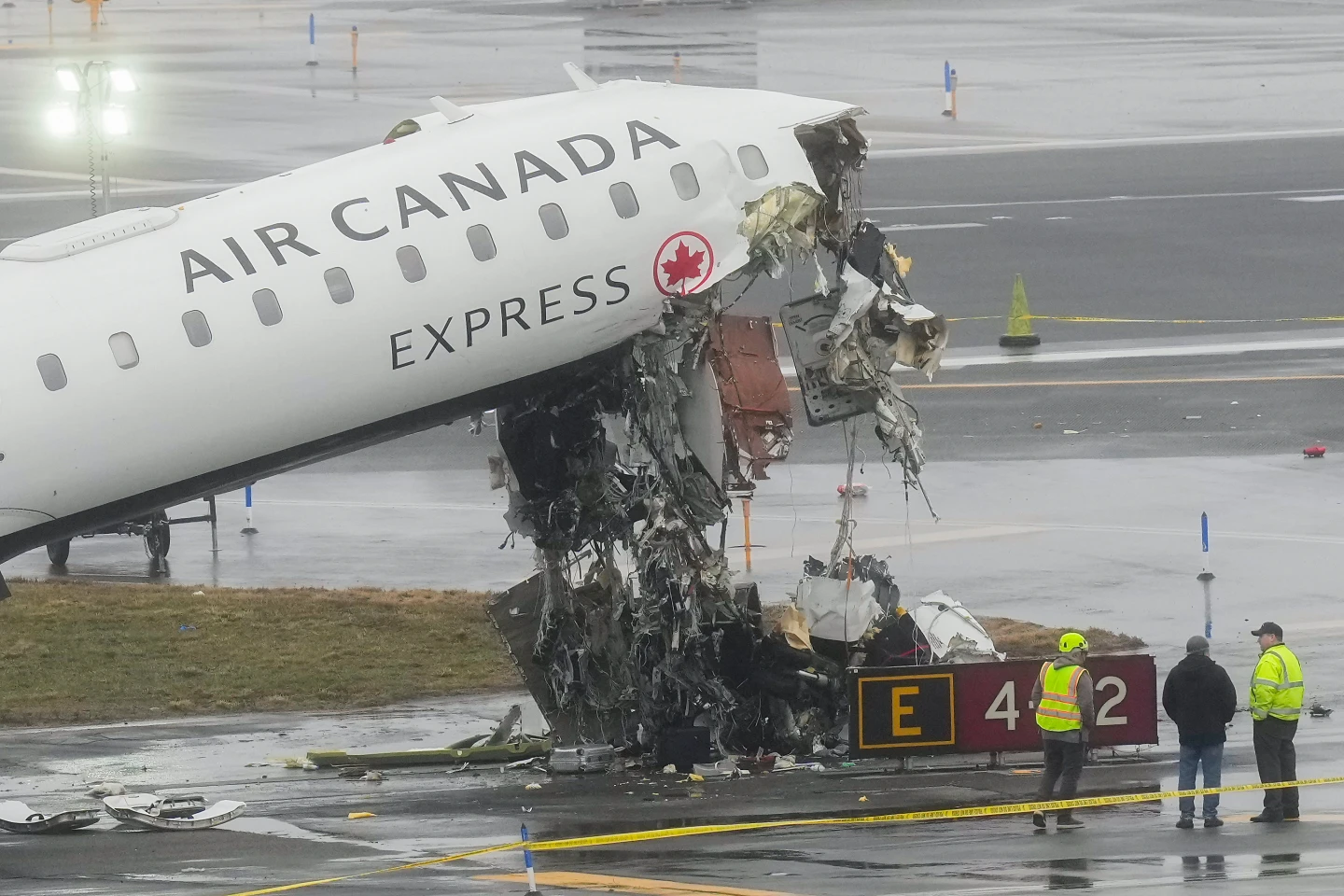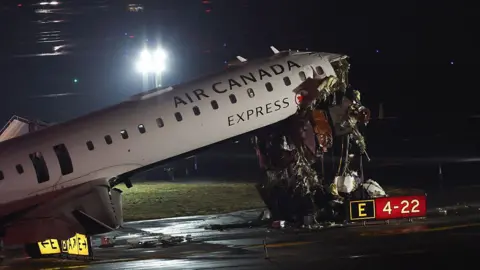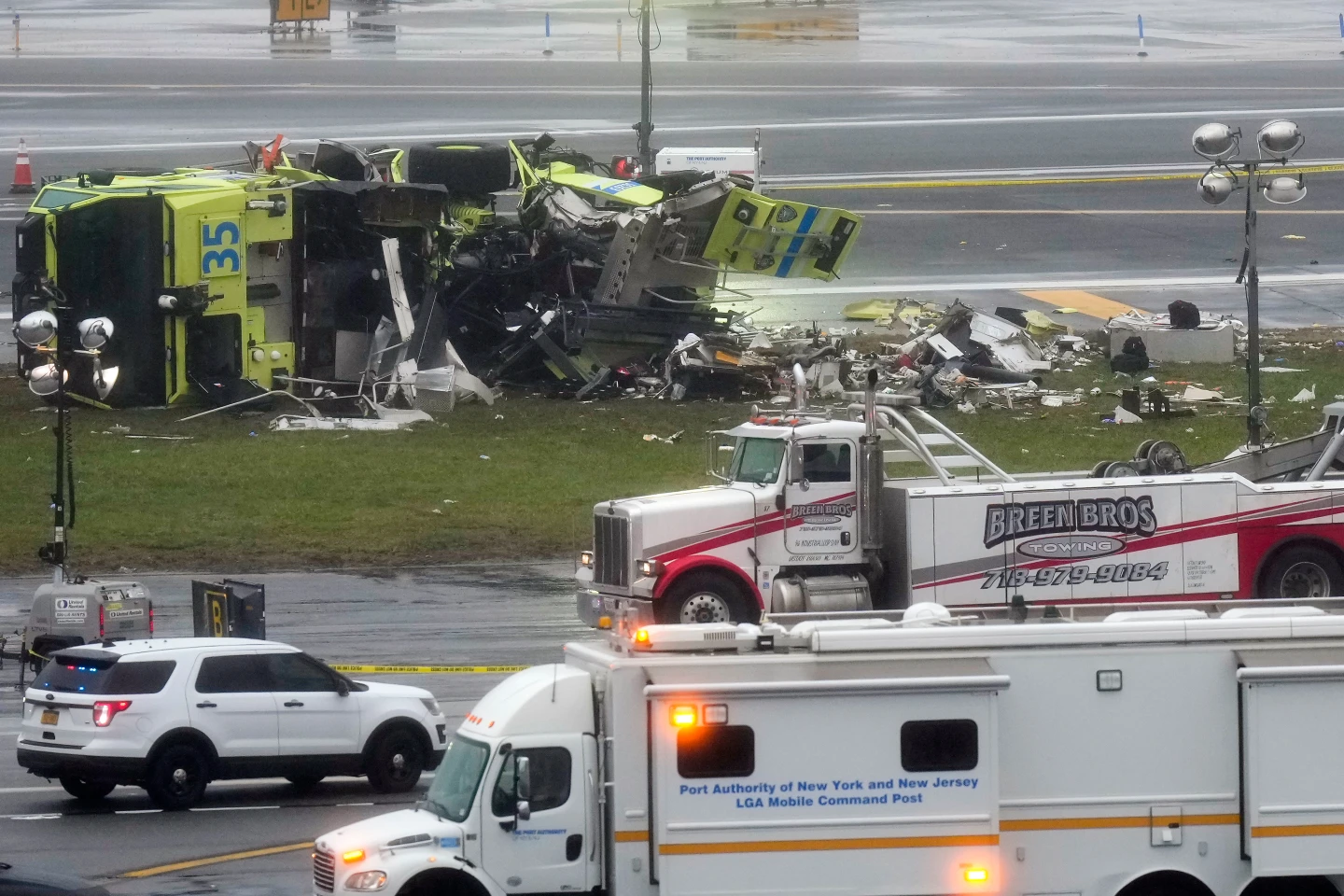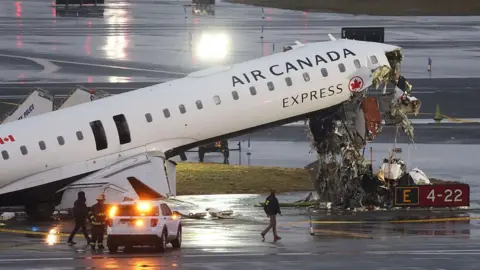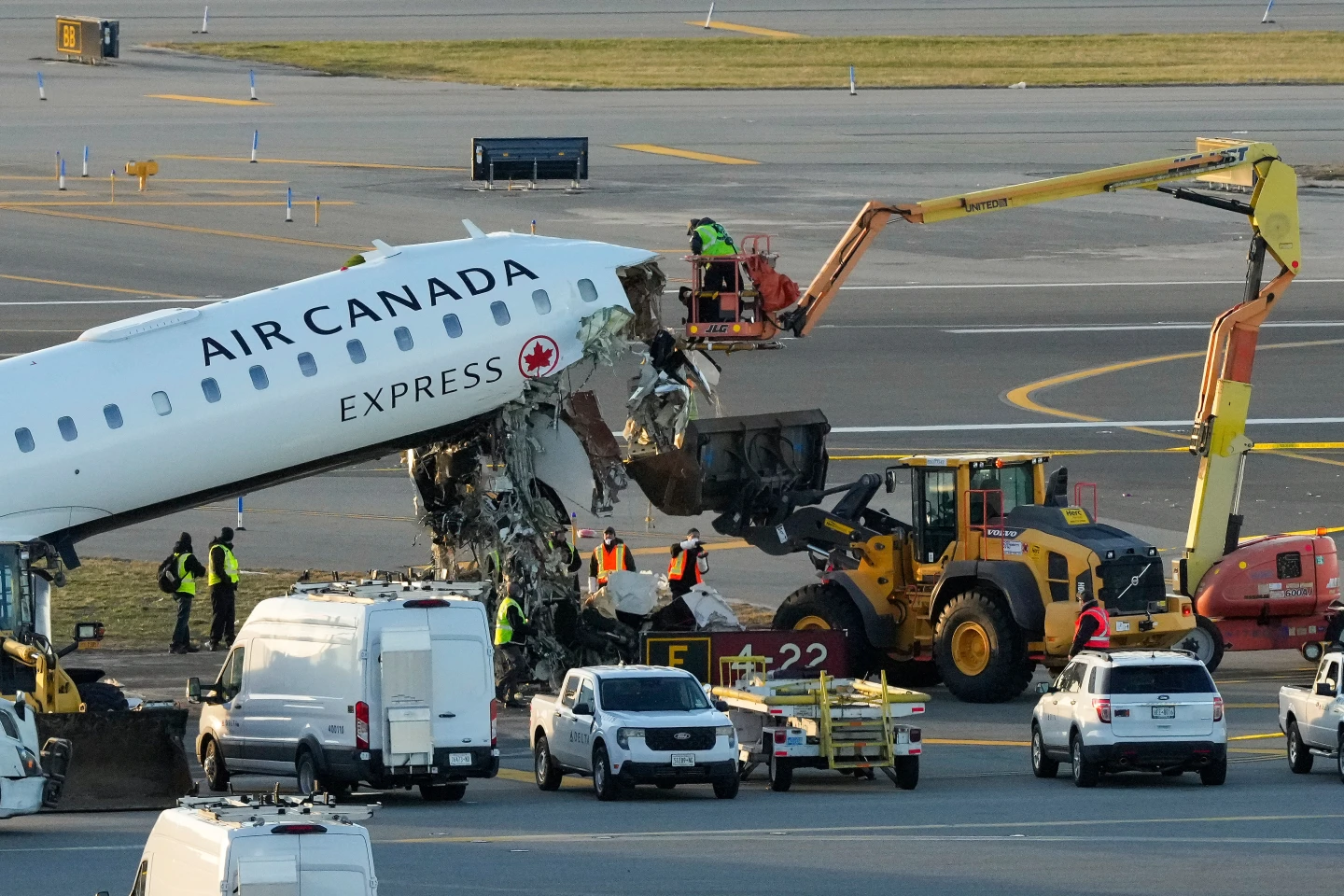
The systems at New York’s LaGuardia Airport designed to prevent runway collisions failed in an incident that resulted in the tragic loss of two pilots and multiple injuries. The National Transportation Safety Board (NTSB) is investigating the circumstances surrounding the crash of an Air Canada jet into a fire truck that had just entered the runway as the aircraft was landing.
Initial reports suggest a serious miscommunication; the fire truck was cleared to cross the runway only 12 seconds before landing, with emergency calls ringing out too late to avert disaster. This incident illustrates a larger network of failures, compounded by the failure of the Airport Surface Detection System (ASDE) designed to alert air traffic controllers to potential collisions.
Safety Data Systems: A Double-Edged Sword
The ASDE system has been a safety cornerstone at LaGuardia and other major airports throughout the country. It integrates radar data and transponder signals to track both aircraft and ground vehicles, providing a comprehensive view of runway activity.
Despite occasional successes in preventing collisions, as seen last fall with a near miss in San Diego, the system faltered in this case. Key elements, such as the lack of transponders on emergency vehicles, inhibited accurate data sharing, leaving controllers unable to predict the fire truck's movement. This points to technological deficiencies within safety frameworks that should be bolstered to prevent future incidents.
A Shift Toward Enhanced Safety Measures
The NTSB chairwoman emphasized that existing systems need adaptation. Previous safety measures have been implemented post-catastrophes, yet challenges like untethered vehicles impair predictability. Notably, LaGuardia's air traffic load increased with multiple emergency vehicles responding to a separate incident, signaling the need for clearer communication and better coordination standards.
Factors such as overloading the runway with emergency vehicles further complicated efforts to maintain an optimal safety environment. Such issues underline the importance of revising protocols and enhancing technologies across the aviation industry.
As the NTSB continues investigations, the need for systemic evaluations and upgrades to existing safety measures remains apparent. History shows that every collision carries lessons, urging authorities to evolve and reinforce air traffic safety on the ground.