In brief
Passengers of an Air Canada regional flight acted heroically after the aircraft collided with a fire truck on the runway, resulting in the tragic deaths of the pilots and injuries among crew and passengers. The swift actions of those on board contributed to multiple successful evacuations amid the wreckage. Investigations are currently underway to determine the circumstances surrounding the collision, including a focus on air traffic coordination.
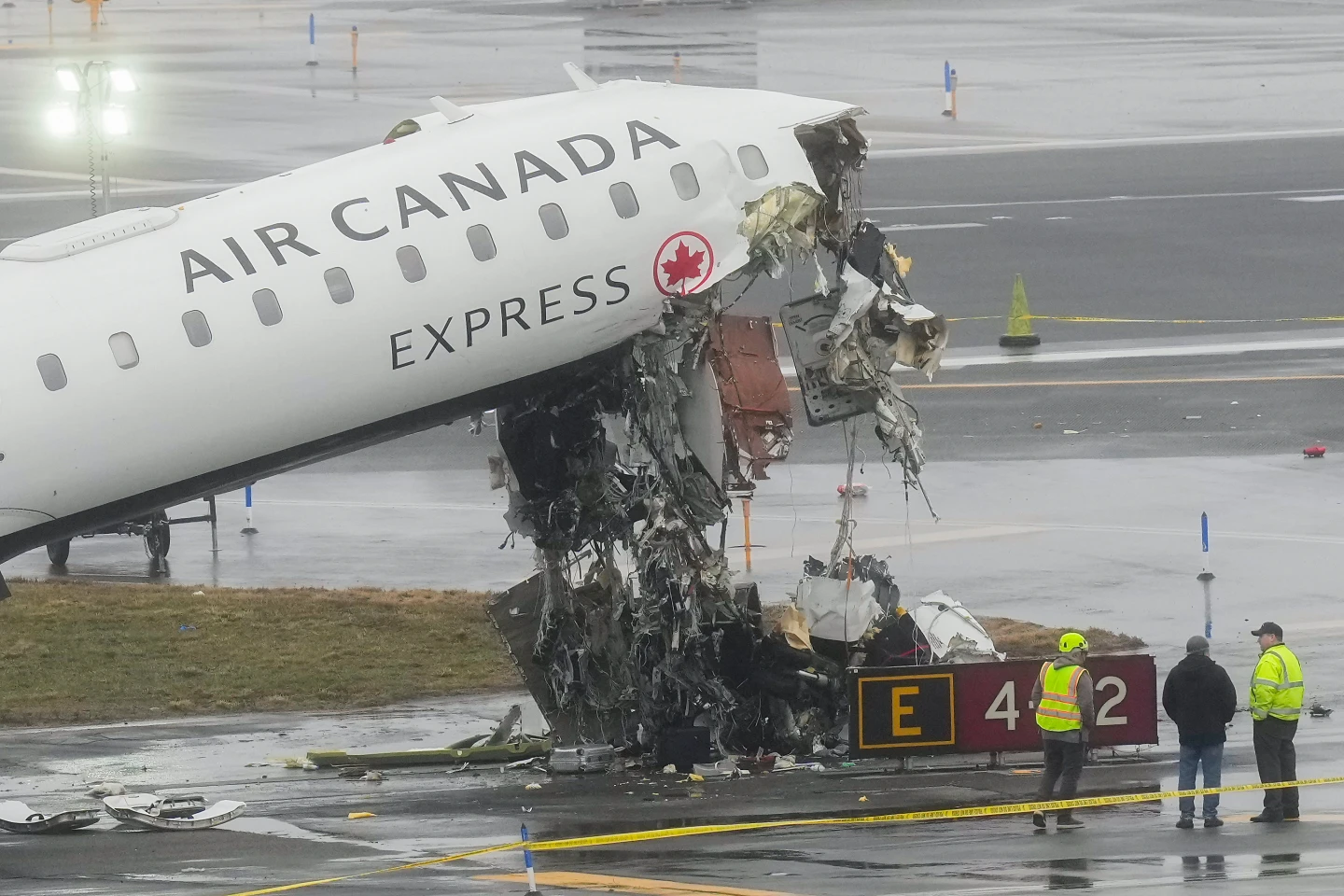
A devastating incident unfolded at New York's LaGuardia Airport when an Air Canada regional jet collided with a fire truck shortly after coming in for a landing. The collision resulted in the tragic loss of both pilots and serious injuries to several passengers and crew members.
In the chaos that ensued, passengers took it upon themselves to escape, cutting through emergency exit doors and assisting fellow travelers to safety. Witness Clément Lelièvre recounted, Strangely enough, I wasn't scared or panicked. Many of us were just focused on helping each other out. Their quick actions likely prevented further casualties.
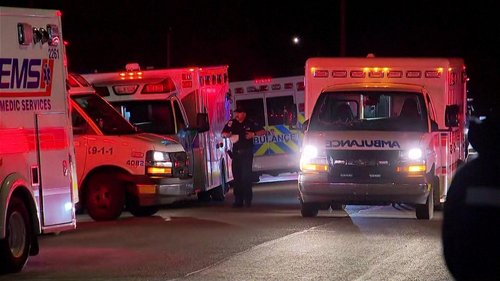
Reports indicate that approximately 40 passengers and crew men were taken to local hospitals due to injuries, some of which were serious, yet most have since been released. Meanwhile, the fire truck carried two personnel, both of whom were also hospitalized.
The incident raised urgent questions regarding air traffic coordination at LaGuardia, a major hub already facing significant challenges due to a governmental shutdown. Eyewitness accounts and air traffic communications reveal a frantic attempt by controllers to avert disaster when they instructed the fire truck to stop just before the crash occurred.
Transportation Secretary Sean Duffy emphasized the sufficiency of staffing at the airport, despite ongoing controller shortages that have plagued the system. This incident marks the first fatal accident at LaGuardia in over three decades and has sparked intense scrutiny into the existing safety measures to prevent such tragic occurrences.
This ongoing investigation will center heavily on analyzing both the cockpit and flight data recorders, as authorities work to understand the mishap fully. System shortcomings, particularly the air traffic communication protocols, will be under the microscope as the National Transportation Safety Board leads efforts to gather critical evidence from the accident scene.
With flights temporarily halted and major disruptions at LaGuardia, the incident adds to the already complex challenges faced by the U.S. aviation system. As the situation unfolds, passengers, investigators, and officials alike seek clarity and reform in airport safety protocols.