India’s Cockroach Janta Party Protest Intensifies, Demanding Education Minister’s Resignation
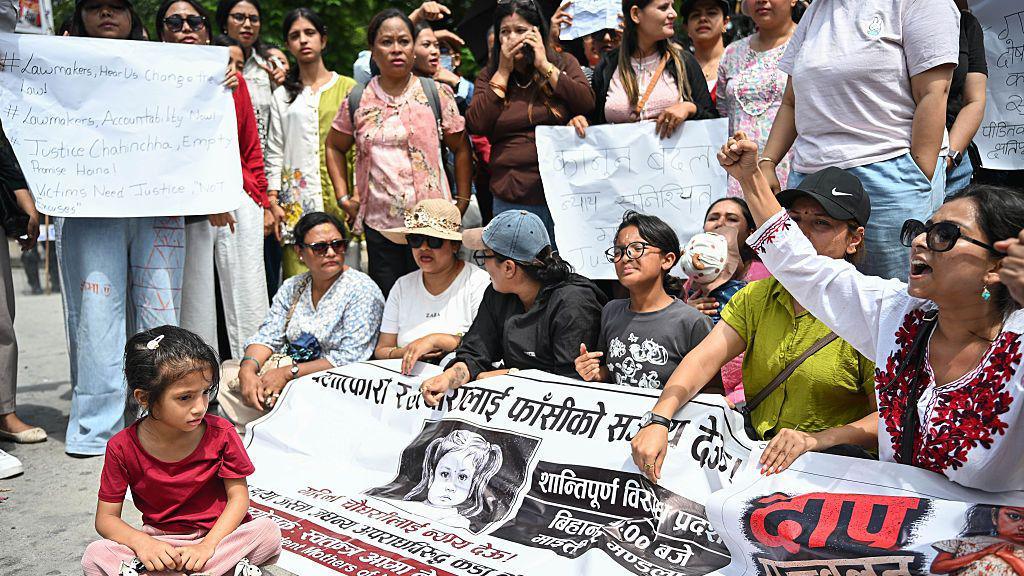
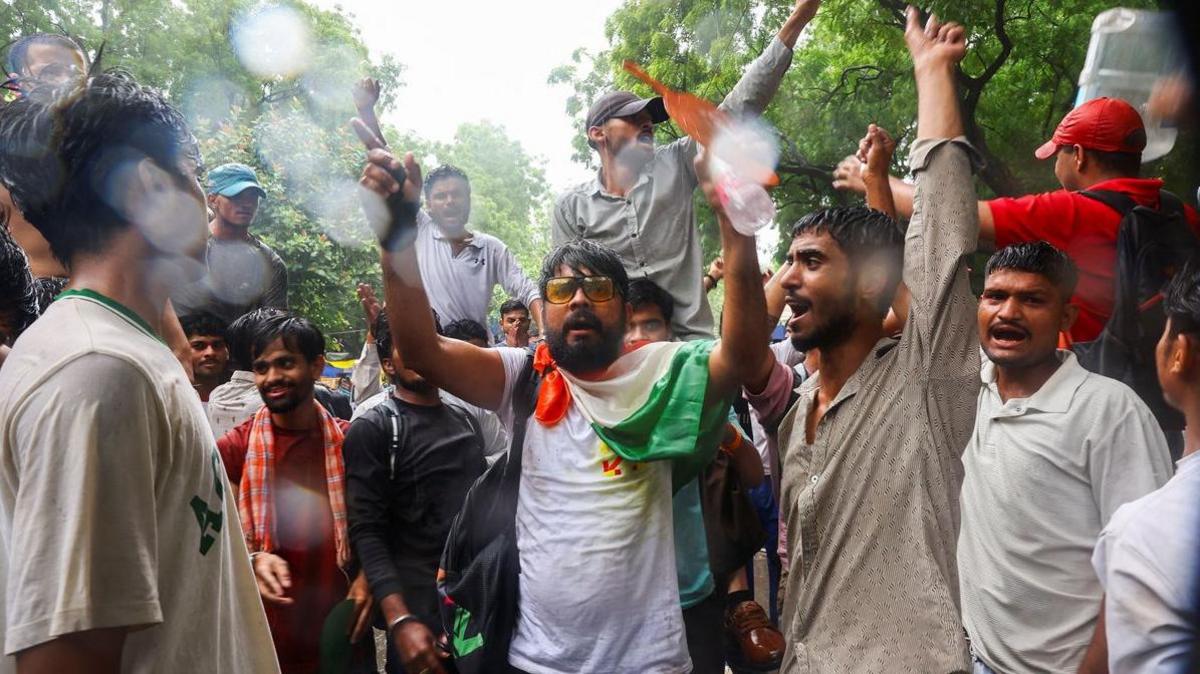
The youth‑led Cockroach Janta Party (CJP) has escalated protests in Delhi’s historic Jantar Mantar. Despite heavy rains, thousands of students, teachers and activists remain in a round‑the‑clock sit‑in demanding the resignation of Education Minister Dharmendra Pradhan. The CJP’s core grievance is the alleged leak of exam papers, which critics argue undermines the nation’s education system.
The protest received a boost when opposition Congress leaders, led by former Delhi Chief Minister Arvind Kejriwal and senior politician Sharad Pawar, joined the sit‑in. On 21 July, Rahul Gandhi was dragged by police into a bus after staging a demonstration outside Prime Minister Narendra Modi’s house. Congress President Mallikarjun Kharge also led a surprise march outside Modi’s residence, demanding the resignation of both Pradhan and Home Minister Amit Shah.
Police actions on Monday were harsh: riot police used batons and tear gas, injuring at least 60 protesters. The officers dismantled the CJP’s makeshift stage and tents, yet the demonstrators persisted. The government’s response was mixed; while Minister Jitendra Singh said he had communicated readiness for a discussion, he criticized the Congress for turning the protest into political spectacle.
The CJP, inspired by comments from India’s Chief Justice about “cockroaches” in journalism, has grown into a major public dissent platform. During the week, over a million students have staged protests across India, with visible marches in Mumbai, Hyderabad, Bengaluru and Ahmedabad.
Global attention surged when activist Sonam Wangchuk joined the CJP sit‑in on 28 June. Wangchuk began an indefinite hunger strike to support the demands for accountability. He was removed by police on Saturday and taken to hospital, where he continues to fast. The movement’s persistence has placed a spotlight on the need for reforms in education policy and accountability mechanisms in India.
- Why are thousands protesting for education reform in India?
- The hunger‑striking engineer demanding education reforms in India
The movement’s sustained protests highlight broader civic demands for policy reform and governmental transparency in India’s education sector. As the protests continue, the political spotlight remains firmly on the ministerial accountability debate, with calls for systemic change growing louder across the nation.