In brief
A brutal heatwave has disrupted Fourth of July festivities from Washington, DC to Philadelphia, with parades cancelled and the Great American State Fair temporarily shuttered after several heat‑related illnesses. Over 165 million people were exposed to scorching temperatures, prompting officials to close venues and postpone outdoor events. The heat is expected to linger through the weekend, intensifying concerns for public health and the planning of the nation's national holiday celebrations.
Record heat is an unexpected foe for one of America’s most cherished holidays. This year’s unprecedented temperatures across the East Coast and Midwest have forced the cancellation of iconic Fourth of July events, from the grand parade in Washington, DC, to the sprawling “Salute to Independence Semiquincentennial” in Philadelphia.
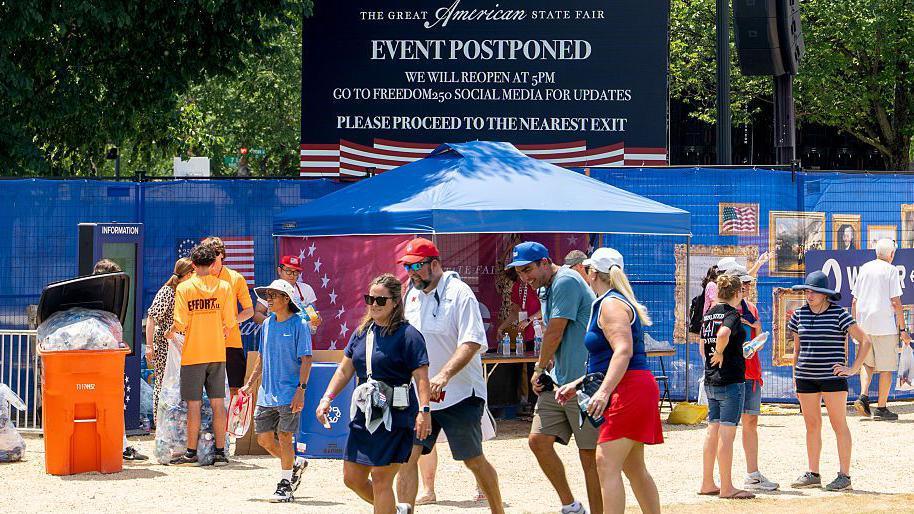
The Great American State Fair on the National Mall was temporarily shuttered after emergency crews treated dozens of people for heat‑related illnesses. The fair reopened at 5 p.m. local time after a brief lull in temperature, but emergency services maintained a high‑alert status with hospitals ready to handle heatstroke cases.
Emergency officials have warned that temperatures from 104 °F to 112 °F, combined with high humidity, create dangerous “heat indices” that amplify the risk of dehydration, fever and even cardiac events, especially among the elderly and children. In Washington, DC, the Fire and EMS Department treated at least 11 individuals in a single day, showcasing just how quickly the heat can turn recreational gatherings into public health emergencies.
Outside the capital, evacuation orders and event cancellations spread rapidly. New Jersey, Pennsylvania, Maryland and even Colorado had to postpone planned celebrations. By Saturday, the heat was projected to worsen across the Carolinas, Virginia and the southeastern U.S., with less relief expected for those attending outdoor festivities.
Meanwhile, New York City’s Mayor urged residents to stay hydrated and keep cool, as the city saw its hottest day since 2012 with a 100 °F forecasted at the peak of the Fourth of July holiday.
While the record‑setting heatwave highlights the urgency of addressing climate change, it also serves as a stark reminder that immediate actions—making public spaces cooler, expanding shade and water stations, and ensuring robust emergency response—are essential to safeguard our communities during public celebrations.
How is the heat affecting your Fourth of July plans? Let us know by contacting this form or filling out the form below.
Contact Form