In brief
The justice ministry’s indictment of ex‑VP Howard‑Taylor marks a decisive step in Liberia’s anti‑trafficking drive. Detained at Monrovia’s airport, she faced accusations of importing, selling and facilitating cocaine shipments. The case also involves foreign nationals linked to the same network, signalling a transnational nexus of drug distribution. As Liberia stumps at the crossroads of corruption and environmental degradation, its crackdown highlights the interconnected nature of governance, security and sustainable prosperity. Analysts warn that failed institutions enable illicit trade that harms local ecosystems and communities.
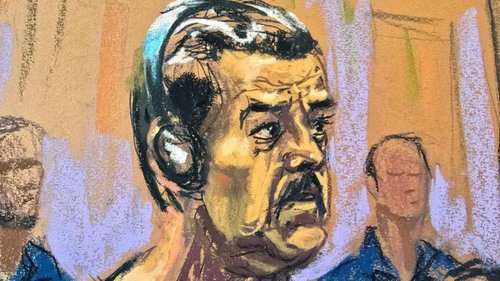
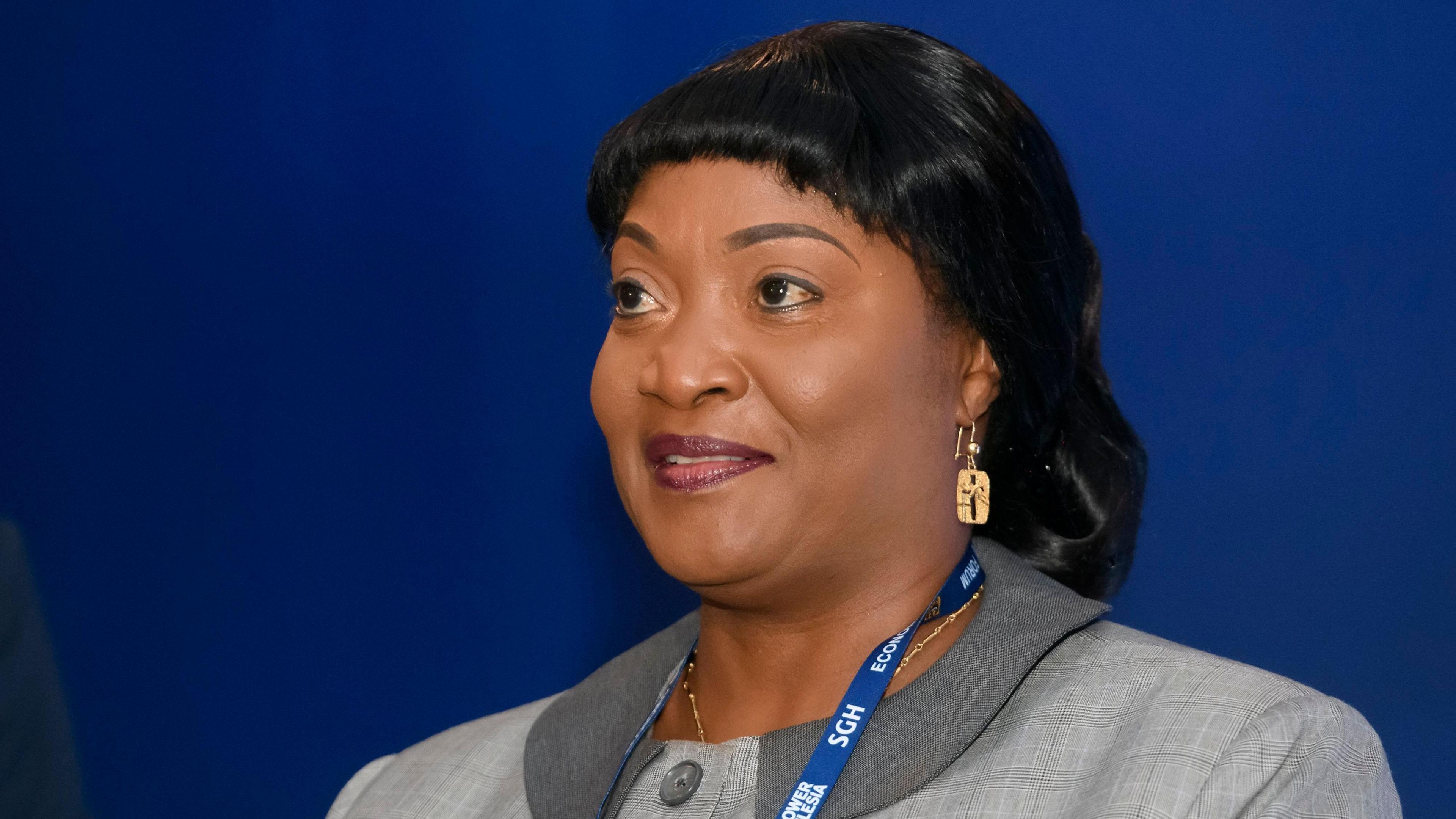
Liberia has charged former Vice‑President Jewel Howard‑Taylor with drug trafficking, money laundering and related offences. The justice ministry confirmed the indictment after she was detained before boarding a flight at Roberts International Airport in Monrovia.
Howard‑Taylor, who served from 2018 to 2024, is accused of illegally importing, selling and transporting controlled drugs, and of helping to facilitate broader drug‑trafficking operations. Police have charged three foreign nationals – two Croatians and one Ukrainian – in absentia as part of the investigation, alleging that they were connected to the same network.
The case underscores Liberia’s heightened crackdown on transnational drug trades, particularly cocaine, which has increasingly turned West Africa into a key transit route from South America to Europe.
This crackdown intersects with larger governance and environmental challenges. Corrupt and unstable institutions have historically weakened the enforcement of environmental regulations, allowing illicit economic activities to degrade ecosystems and local communities. By targeting high‑profile officials, Liberia signals a shift toward stronger rule of law— a prerequisite for sustainable development and the protection of natural resources.
While Howard‑Taylor has yet to comment publicly, the charges involve a range of serious offences that could carry significant penalties and highlight the intertwined nature of illicit trade and environmental degradation. The move is expected to inspire further investigations into how drug networks affect Liberia’s social, economic and ecological stability.