ORLANDO, Fla. (Echosphere News) — In an increasingly contentious political environment, Florida Governor Ron DeSantis has declared his intention to call a special session in April aimed at redrawing congressional districts. This move is part of a larger trend across several states that are revisiting their district boundaries mid-decade.
Despite Florida's 2026 legislative session commencing next week, DeSantis indicated a strategic delay until after the U.S. Supreme Court delivers its ruling in the case of Louisiana v. Callais, a case that could potentially redefine key aspects of the Voting Rights Act.
DeSantis stated, 'It’s not a matter of if they’re going to rule, but rather the scope of their ruling,' suggesting that the court's decision could influence the configuration of at least one or two congressional districts in Florida.
Currently, Republicans claim 20 out of 28 congressional seats in Florida, a dominance that could be fortified through strategic redistricting. Should Florida's district lines be modified to favor Republicans, it would align with efforts in GOP-led states to secure additional congressional seats ahead of the midterm elections.
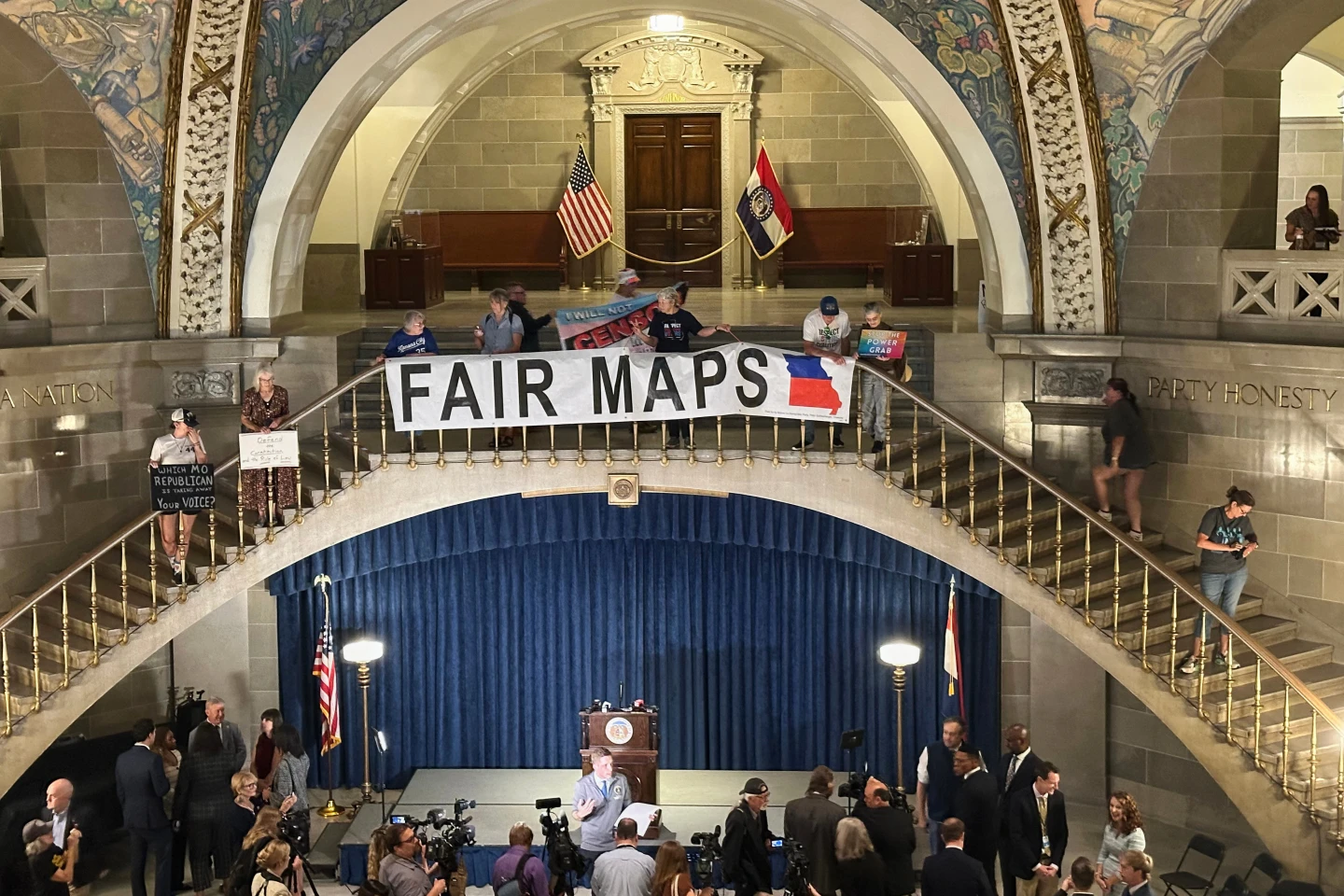
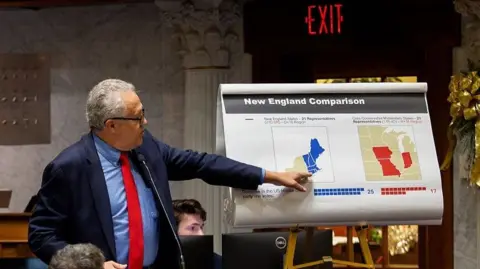
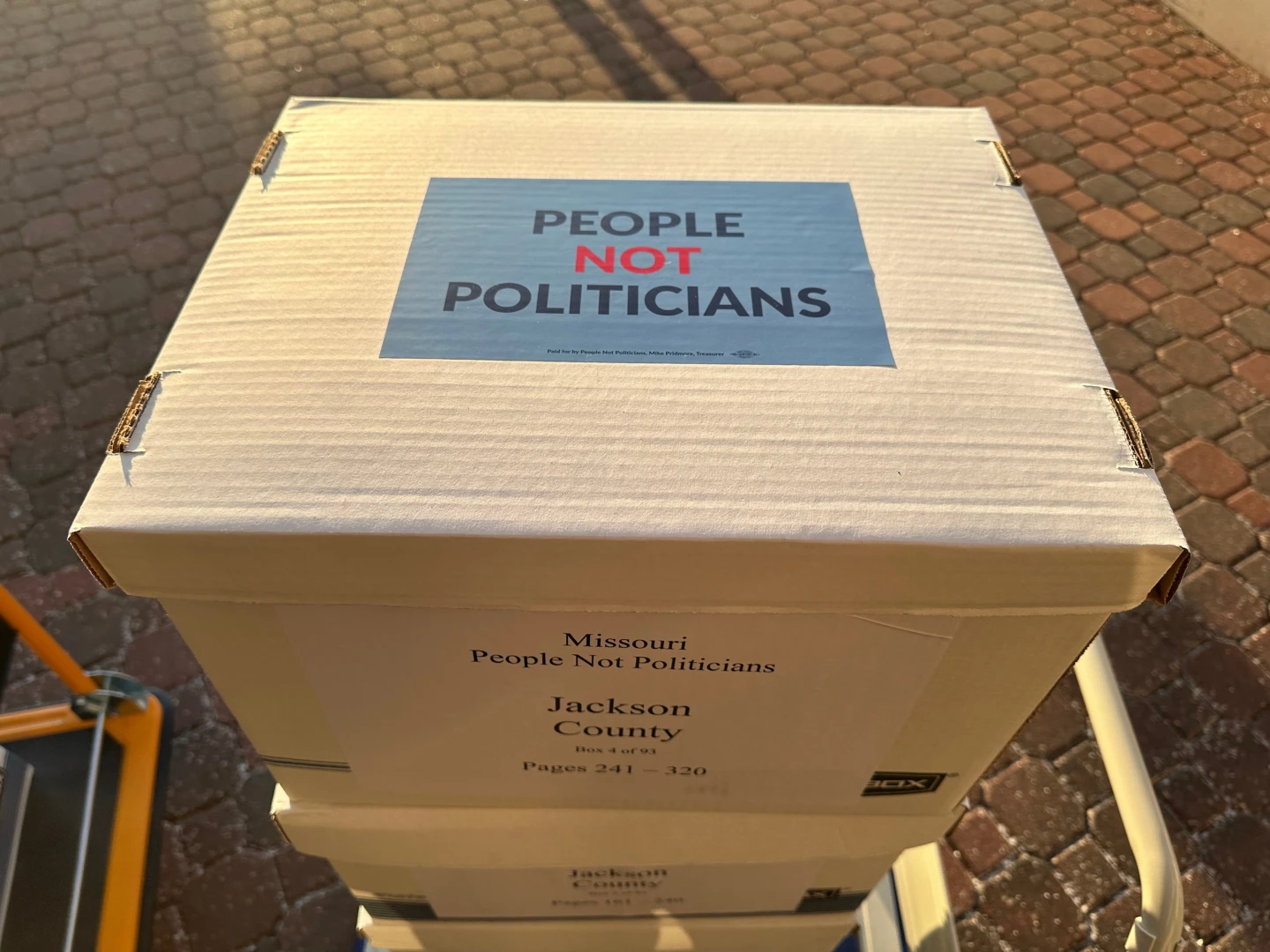
The ongoing national redistricting battle has permitted the Republican Party to anticipate potential wins in states such as Texas, Missouri, North Carolina, and Ohio, while Democrats glimpse victory in California and Utah, putting Republicans slightly ahead in the overall count. However, the newly drawn districts face litigation and uncertainty remains about the ultimate outcome in the upcoming election cycle.
Historically, Florida voters chose to outlaw gerrymandering through a constitutional amendment in 2010, which aimed to ensure fair districting practices. Nonetheless, recent judicial rulings have led to contentious interpretations of this amendment, with the Florida Supreme Court allowing a previously criticized congressional map to remain in effect.
As the political landscape continues to evolve, the DeSantis administration's forthcoming actions will undoubtedly spark further debate surrounding electoral integrity and representation in Florida's Congress.
Despite Florida's 2026 legislative session commencing next week, DeSantis indicated a strategic delay until after the U.S. Supreme Court delivers its ruling in the case of Louisiana v. Callais, a case that could potentially redefine key aspects of the Voting Rights Act.
DeSantis stated, 'It’s not a matter of if they’re going to rule, but rather the scope of their ruling,' suggesting that the court's decision could influence the configuration of at least one or two congressional districts in Florida.
Currently, Republicans claim 20 out of 28 congressional seats in Florida, a dominance that could be fortified through strategic redistricting. Should Florida's district lines be modified to favor Republicans, it would align with efforts in GOP-led states to secure additional congressional seats ahead of the midterm elections.
The ongoing national redistricting battle has permitted the Republican Party to anticipate potential wins in states such as Texas, Missouri, North Carolina, and Ohio, while Democrats glimpse victory in California and Utah, putting Republicans slightly ahead in the overall count. However, the newly drawn districts face litigation and uncertainty remains about the ultimate outcome in the upcoming election cycle.
Historically, Florida voters chose to outlaw gerrymandering through a constitutional amendment in 2010, which aimed to ensure fair districting practices. Nonetheless, recent judicial rulings have led to contentious interpretations of this amendment, with the Florida Supreme Court allowing a previously criticized congressional map to remain in effect.
As the political landscape continues to evolve, the DeSantis administration's forthcoming actions will undoubtedly spark further debate surrounding electoral integrity and representation in Florida's Congress.