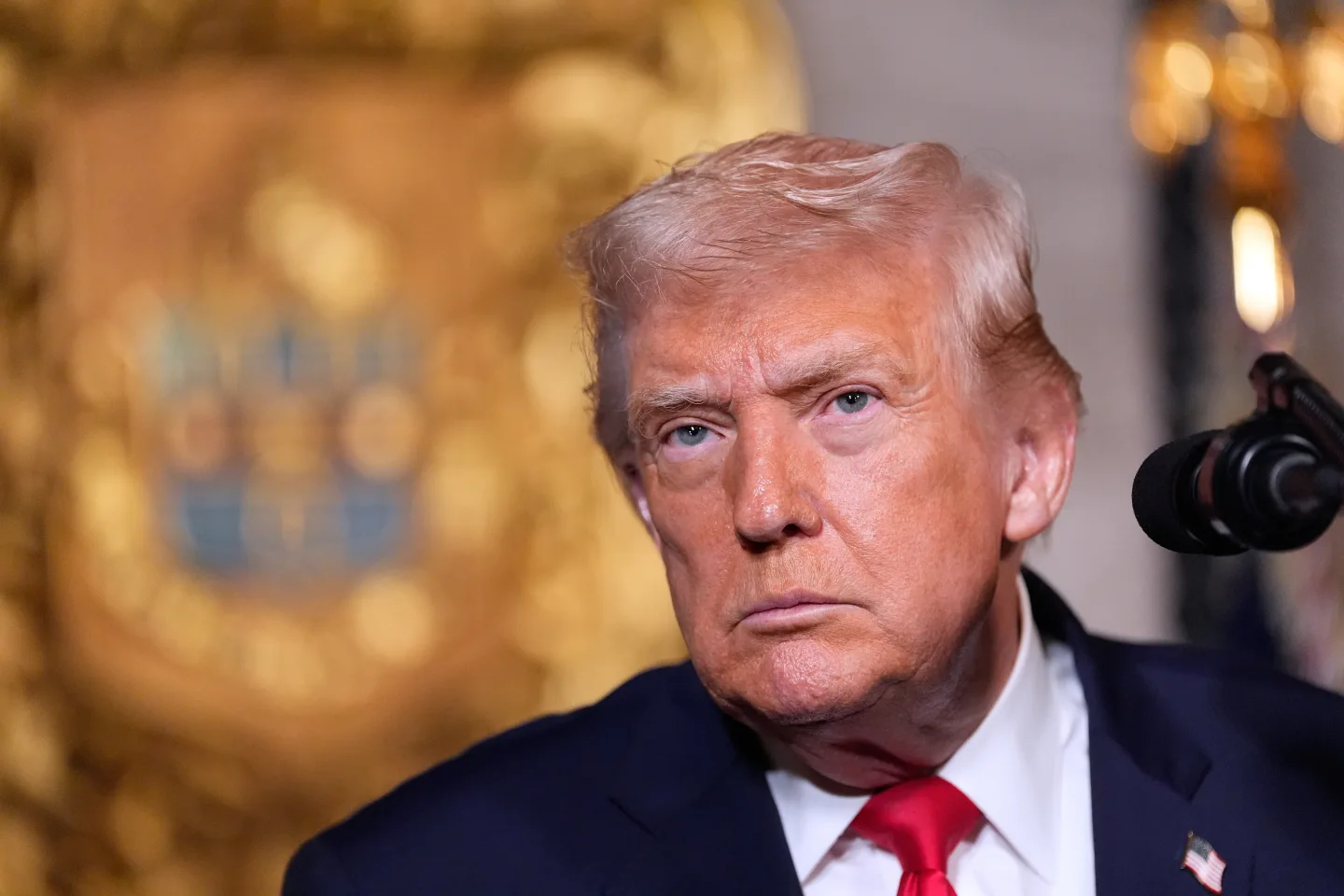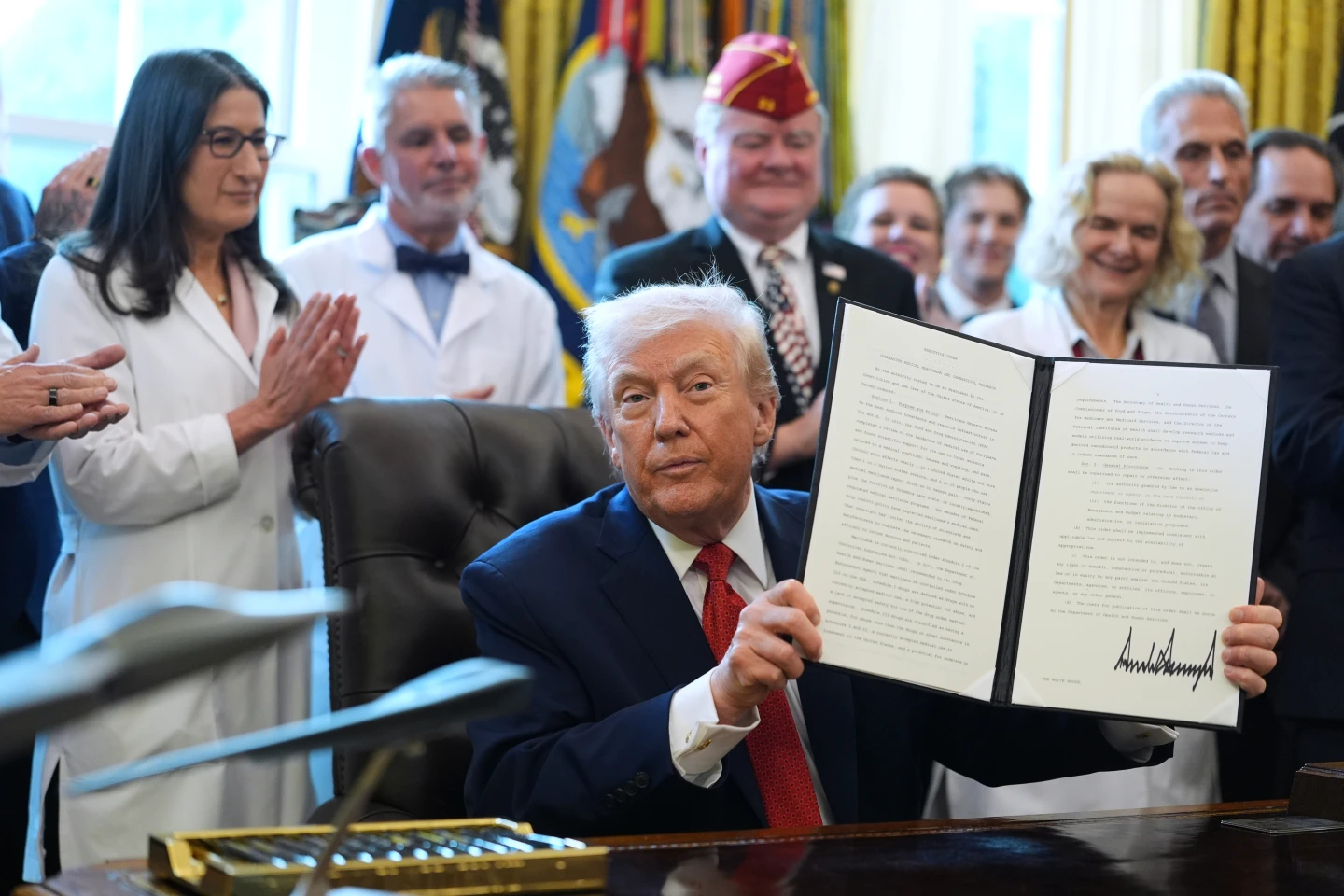
As we approach the 2026 elections, historical trends suggest Republicans may struggle to retain their seats in the House of Representatives. With only a slim majority, the incumbent party often finds itself losing seats during midterm elections. Former President Donald Trump, wary of this pattern, is rallying his party to alter congressional district maps in a bid to secure more conservative-leaning seats.
Trump’s methods have led to accusations of potential electoral manipulation. Critics contend his administration is attempting to intervene in the electoral process in ways not seen before, including targeting Democratic politicians and activists. There are grave concerns regarding Trump’s influence over the use of military resources in Democratic regions, sparking fears that voter turnout could be adversely affected by an environment of fear.
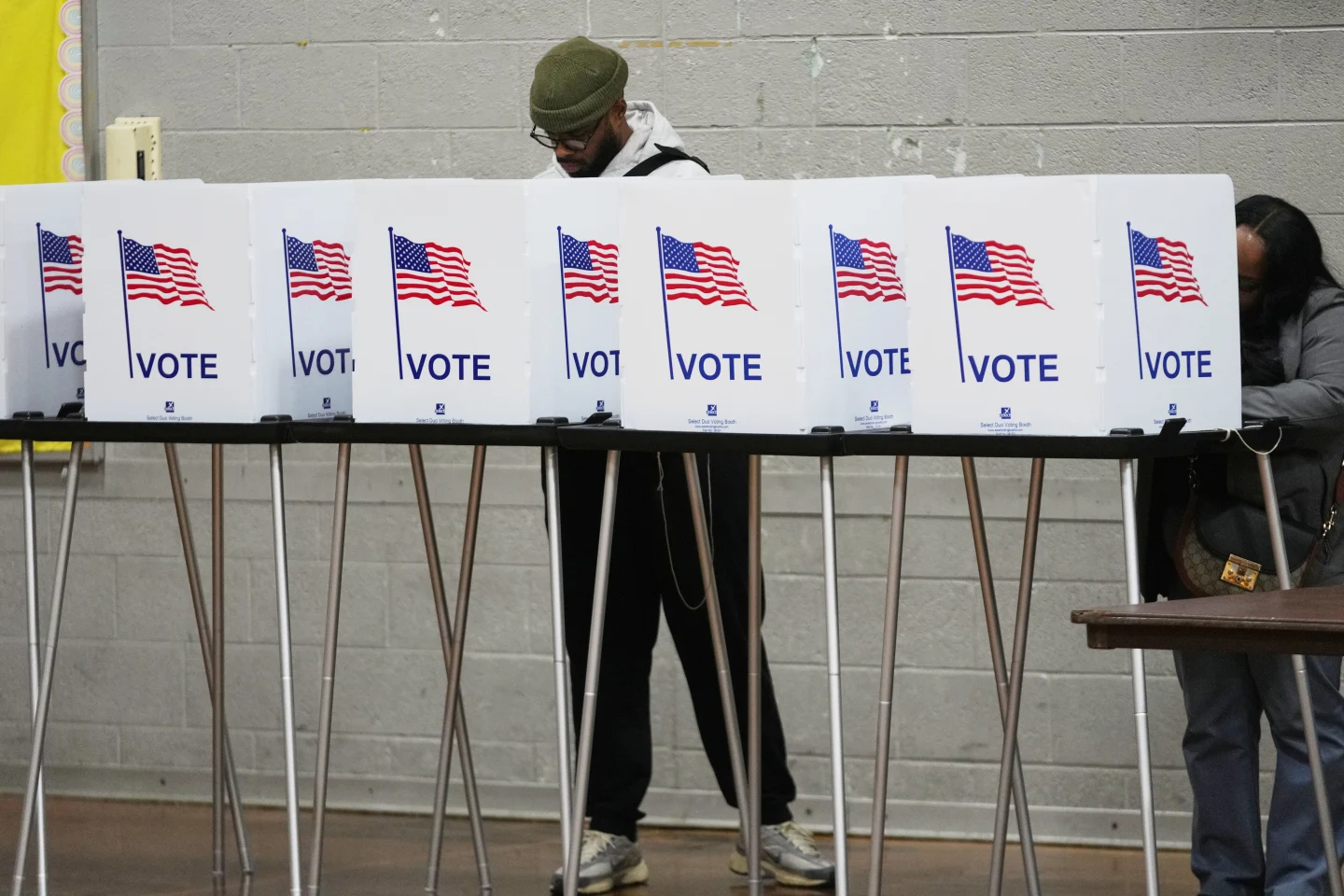
Democrats and independent observers mention incidents like sending military personnel to Democratic cities without local consent, raising alarms that this might discourage citizens from voting. Ken Martin from the Democratic National Committee voiced apprehension about military presence, suggesting it could intimidate voters leading up to the elections.
Contrasting these fears, November’s elections did not encounter significant disruptions, despite previous predictions. White House officials dismiss concerns from Democrats as baseless and politically motivated, suggesting that such fears are merely efforts to gain support from more radical party members.
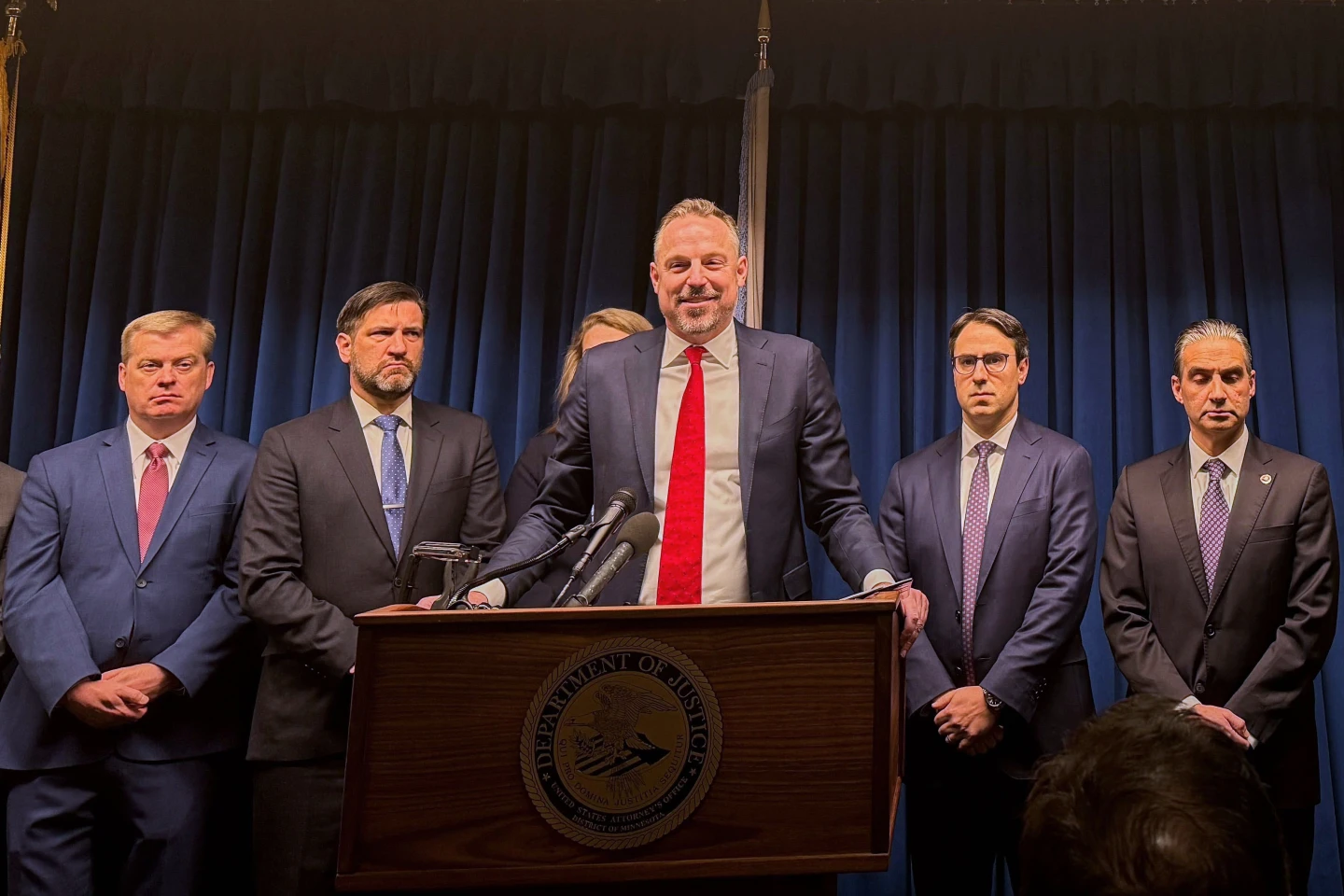
Legal experts highlight that ultimately, states administer elections, and federal intervention is limited. However, Trump’s previous actions to coerce state officials into altering vote counts, coupled with ongoing litigation concerning voter data requests from the Department of Justice, keep the potential for interference alive in the minds of many.
The situation reflects broader implications where political maneuvering meets electoral integrity. Both Democrats and Republicans are mobilizing their resources to ensure that voter rights are protected while addressing misinformation that could compromise public trust in the electoral process.
As we approach this pivotal moment, the conversations surrounding electoral integrity, the role of federal enforcement at polling places, and the potential for misinformation campaigns remain crucial factors informing both political strategy and public participation.