In brief
As Indiana lawmakers grapple with new congressional maps, the concept of fairness in redistricting is being redefined, sparking concerns over the dilution of community representation and the prioritization of partisan advantages. Critics argue that these changes threaten the representation of diverse populations and diminish the democratic process.
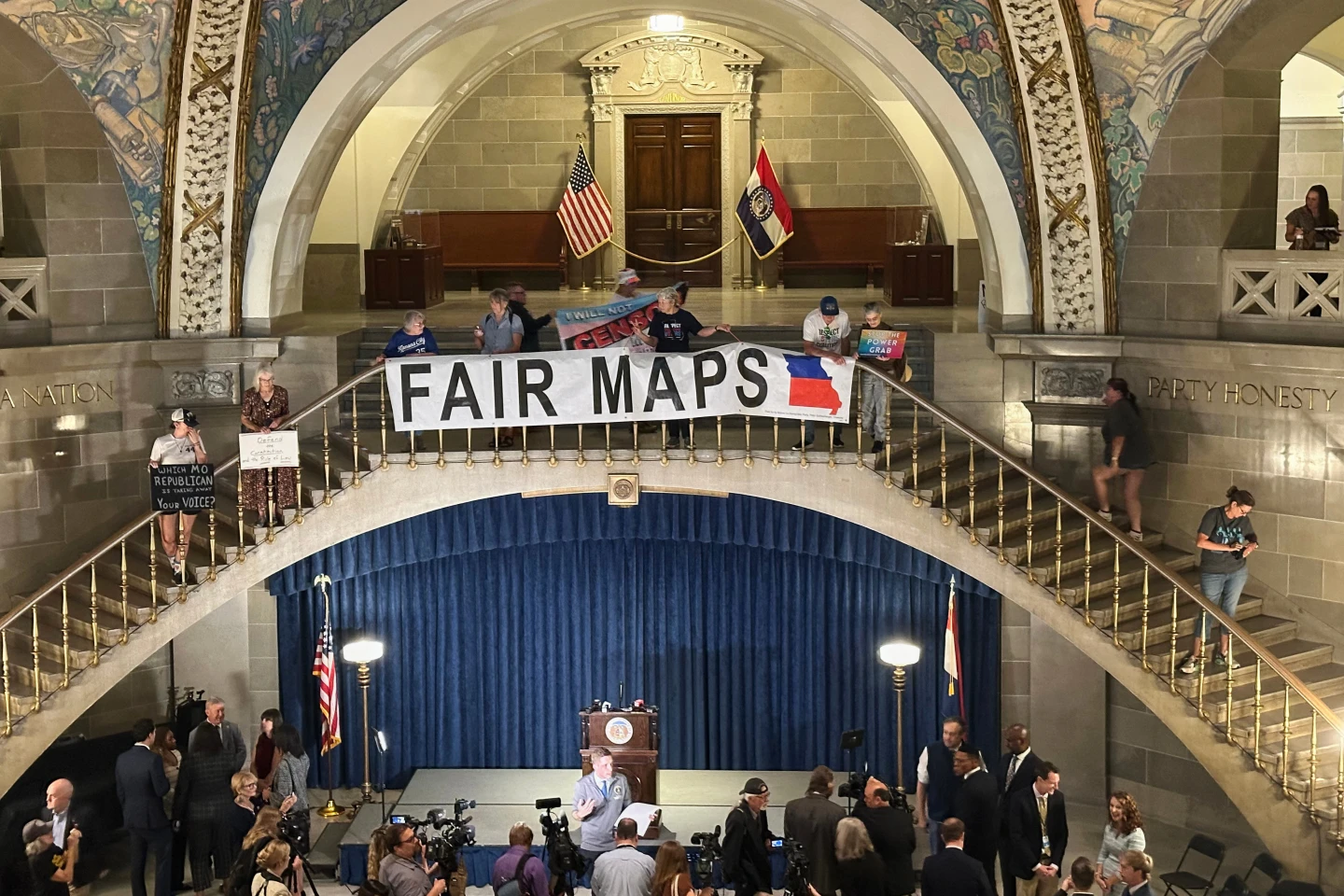
The recent attempts at redistricting in the United States have brought to light a disturbing trend: the dilution of community representation. In Indiana, Republican leaders once hailed the maps drawn four years ago as 'fair,' reflecting the state’s communities. However, in a recent push led by Governor Mike Braun, these definitions of fairness have shifted dramatically. Braun called upon lawmakers to adopt new lines aimed at bolstering Republican control, presenting the argument that a 'fair map' is one that favors party strength rather than genuine community representation.
This evolving narrative of fairness underscores a larger trend across the nation, where mid-decade redistricting initiated under the Trump administration has led both parties to engage in gerrymandering practices. Proponents of these tactics assert that they are merely following the lead of other states to ensure a partisan balance in Congress that mirrors national divisions. However, this winner-take-all mentality risks reducing the power and voice of minority communities in Washington, diminishing representation for diverse populations.
Despite Indiana's Senate rejecting a controversial map that would have secured all nine congressional seats for Republicans, changes are already being implemented in states like Texas and California, with more potential redistricting expected ahead of the 2026 midterms. This raises significant concerns about maintaining a political landscape that accurately reflects the diverse voices of constituents.
Experts warn that the redefined notion of fair representation could fundamentally undermine democracy. Wayne Fields, a retired professor and political rhetoric expert, highlighted the importance of diversity in the House, stating, 'We gain an awful lot by having particular parts of the population heard.' The differing definitions of fairness threaten to disrupt the delicate equilibrium of representative democracy.
Critics of gerrymandering, including political analysts and voting rights activists, argue that the current trends in redistricting are counterproductive, suppressing voices of urban voters by fracturing communities into politically homogenous districts. The consequences of these moves could reverberate throughout the political landscape, potentially disenfranchising voters and leading to less competitive elections, ultimately harming the democratic process.