In brief
A single son with Down's syndrome vanished after a shop visit amid hostage alerts. His mother, Majdiya, watches videos of him playing, half‑hoped to see him again. The war has left more than 73,000 dead and thousands of missing, with the Red Cross reporting over 5,000 requests for tracing. Detained Palestinians rise above 7,000, about 1,300 of whom appear in Israeli prisons without trial. Families depend on NGOs, lawyers and fragile intel to know whether relatives remain alive, are buried or held captive.
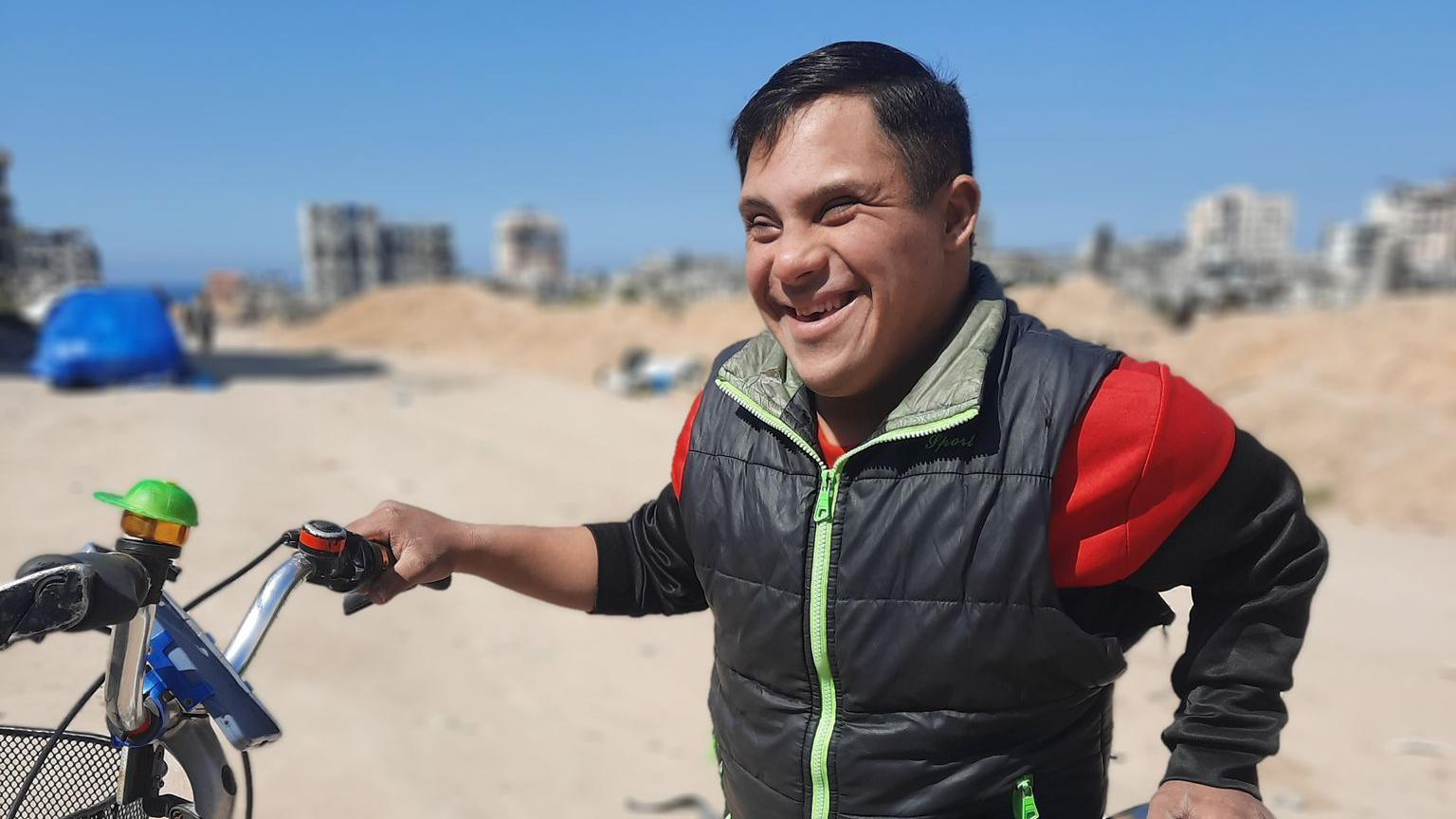
Ahmed al Madhoun looked like a man who, despite hardship, loved life; a cheeky, chunky little fellow with an exuberant smile. From his partially destroyed home in Gaza City, his mother Majdiya shows videos on her phone where he cuddles a kitten, sticks out his tongue, flops into a pool, and emerges grinning. “Everyone was his friend,” Majdiya says. “He was loved wherever he went, and he always had a smile on his face.”
Ahmed, who has Down syndrome, disappeared in May after a brief visit to a local shop. At that time Israeli strikes raged in the area. Majdiya fears for his safety, holding on to hope that he may still be alive. She says, “I have not lost hope but whether they find him alive, dead or buried under rubble, only then will I be at peace.”
Families across Gaza share that pain. More than 73,000 people have died since the war began; the casualties are far higher than the official tally, as many bodies remain hidden beneath rubble. The Red Cross reports over 5,000 requests to trace missing persons buried on the front line, while Gaza’s Civil Defence estimates more than 8,000 are missing.
The struggle is amplified by detention. Over the past three years Israeli forces have detained about 7,000 Palestinians in Gaza; approximately 1,300 are held without trial. Families are often left unaware of their relative's location or status, turning the search into a living wound. An Israeli lawyer, Tal Steiner, writes that the ban on the International Red Cross visiting prisons has made locating detainees a painstaking, request‑by‑request task.
Search efforts rely on NGOs, legal aid, and limited data. For example, Aida al Drimli shows a photo of her son Mahmoud, held by Israeli soldiers, and believes it is him. She stresses that the men hold no affiliation with Hamas or other militant groups, and Israeli officials deny hearing of captures. The uncertainty remains; the families have no rest knowing whether loved ones have survived or not.