In brief
Russia has publicly agreed to resume talks with Ukraine and the United States, but the dialogue remains largely technical and limited in scope. Norwegian prime minister Olav Lundes and US envoy Steve Witkoff highlighted a "constructive" conversation, while Russian foreign policy aide Yuri Ushakov expressed scepticism. President Putin refuses to sit at a joint table with Zelensky, preferring Moscow as the venue. Amid diplomatic back‑and‑forth, the Kremlin hints at future technical meetings in Abu Dhabi. The climate cost of the ongoing conflict—higher energy consumption and rising emissions—remains an under‑reported concern.
On 21 October 2026, Russia announced that it was willing to resume diplomatic discussions with Ukraine and the United States, positioning Moscow as the only viable location for renewed talks.
In a productive meeting in Oslo, Norwegian prime minister Jonas Gahr Støre described the dialogue with US presidential envoy Steve Witkoff and Ukrainian President Volodymyr Zelensky as "good and constructive". The three hoped for a broader summit that could bring together the leaders of Russia, Ukraine and the United States.
However, Moscow has denied agreement to a high‑level trilateral summit. Putin insists that talks should remain behind a technical‑level framework and only take place in Moscow.
The Kremlin also hinted that any future talks might be scheduled for next month in Abu Dhabi, albeit on a purely technical basis, underscoring the limited scope of any potential resolution.
In a personal note, Witkoff admitted that "there is still important work to do" and reiterated that President Donald Trump remains "committed to seeing this war end."
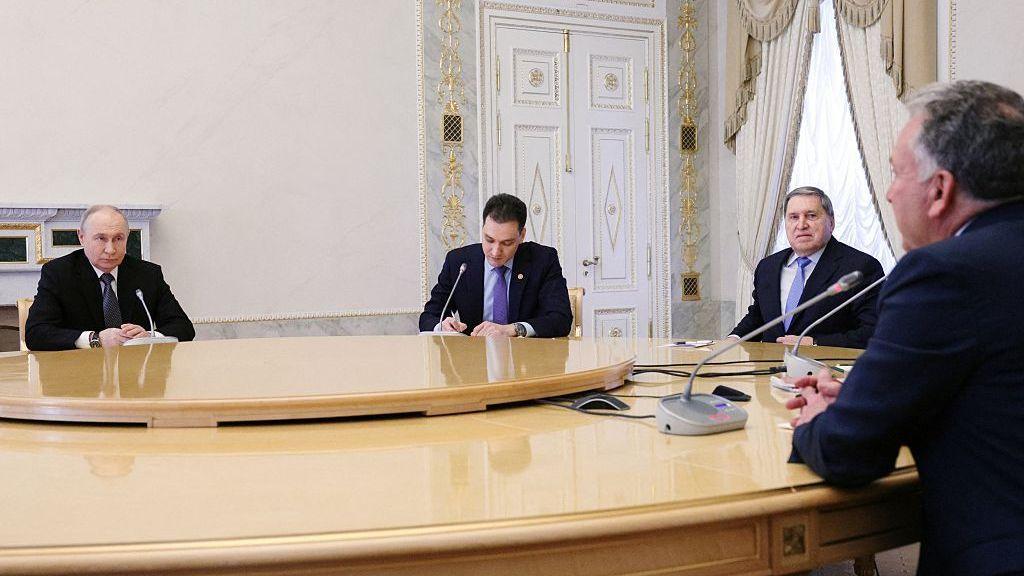
Yuri Ushakov, a foreign‑policy aide to President Putin, expressed scepticism after his engagement with Witkoff in St Petersburg, noting that the proposed "new approaches" had been largely ineffective in resolving the crisis.
According to Ushakov, the purpose of the discussions has not yet advanced substantially, although the Kremlin remains aware of the ongoing pressure on Ukrainian air defence systems and the strategic relevance of the approaching winter.
In addition to its diplomatic implications, the conflict continues to magnify environmental concerns. The extensive use of munitions, aircraft, and industrial supports in the war has increased carbon footprints and accelerated degradation of local ecosystems, an impact that has outstripped many national climate mitigation efforts.
The war's environmental toll—ranging from increased emissions to the destruction of forests and wetlands—adds a layer of urgency to diplomatic solutions, as climate scientists warn that prolonged conflict exacerbates global climate risks.
While diplomatic progress remains tentative, the international community continues to urge Russia, Ukraine and the United States to prioritize a substantive and inclusive pathway toward lasting peace.