The recent update to Canadian citizenship laws has opened the door for millions of Americans to claim Canadian citizenship, tapping into their ancestral roots. This transition has prompted a surge in applications as individuals seek dual nationality, particularly amid changing political landscapes in the U.S.
Effective from December 15, 2025, Canadian Bill C-3 has expanded the eligibility for citizenship through descent to include not just children, but grandchildren and even further generations of Canadians. This allows a significant number of Americans with Canadian ancestry to bypass traditional immigration barriers and secure their status in Canada.
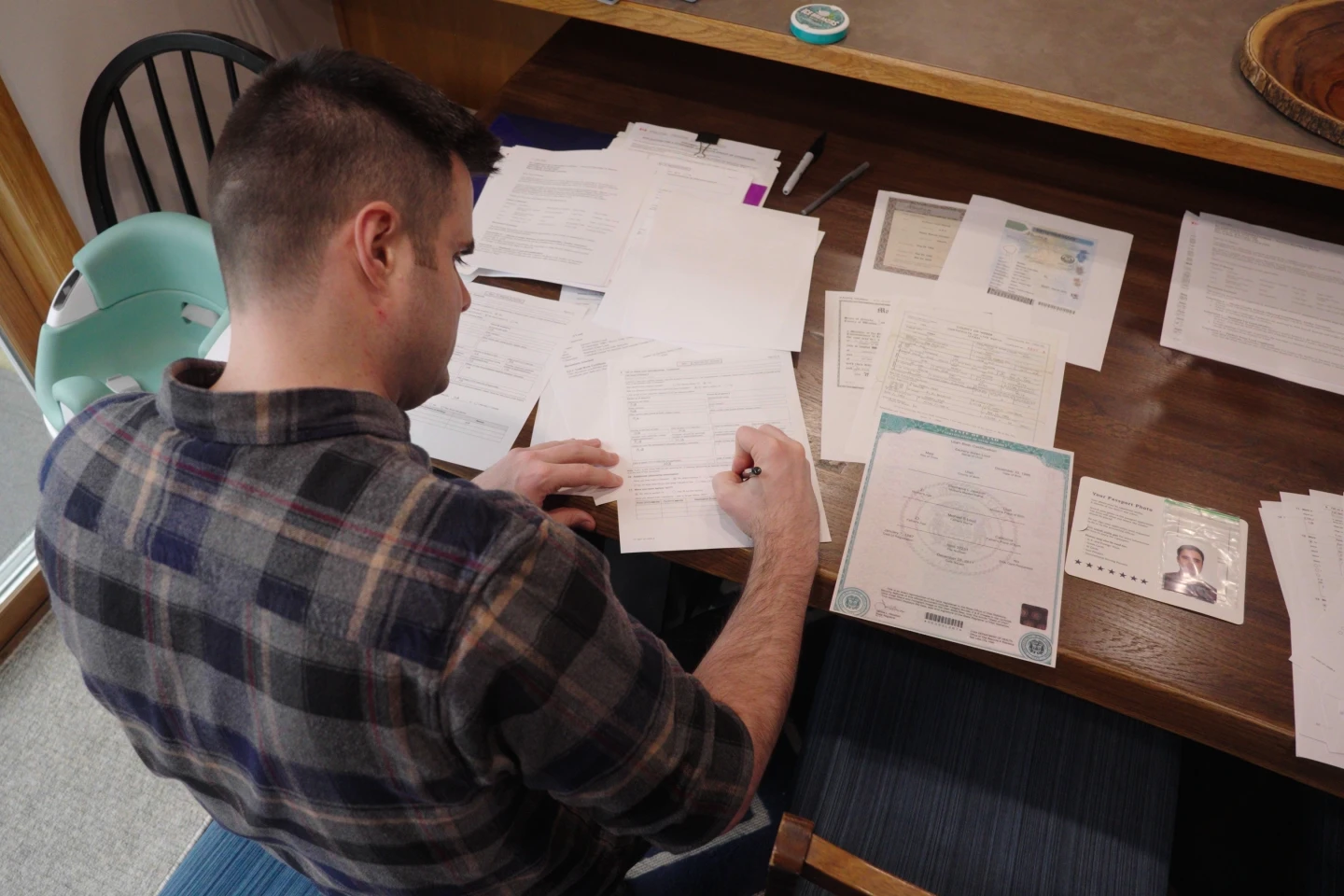
For many, like Zack Loud from Minnesota, the realization that they are already considered Canadians due to their grandparents' citizenship has spurred interest in relocating. My wife and I were already considering job opportunities in Canada, and this new law has made that option far more appealing,” Loud stated.
Immigration lawyers in both the U.S. and Canada are experiencing overwhelming demand as more citizens explore their options for dual citizenship. Amandeep Hayer, a Vancouver immigration attorney, reported an exponential increase in consultation requests, skyrocketing to over 20 consultations a day since the law took effect.
Understanding the Law Changes
The overhaul of citizenship laws stems from decades of efforts to address historical inequities, and the new provisions recognize the rights of many who have familial links to Canada. Under this legislation, applicants need only provide proof of their Canadian ancestry to obtain citizenship, effectively opening the gates for thousands to claim their Canadian identity.
American asylum seekers are motivated by various concerns, notably political shifts and immigration policies in the U.S. Michelle Cunha, an activist from Massachusetts, stated, After fighting hard for over three decades to uphold the values I believed the U.S. represented, I've made the decision to seek refuge and start anew in Canada. Similarly, those like Troy Hicks, who holds Canadian family ties, view dual citizenship as a means to navigate an uncertain political future.
What This Means for Canada
While many Canadians are welcoming towards American applicants, there is a faction that expresses concern regarding Canadians of convenience—individuals who may seek citizenship without genuine ties to the country. Fen Hampson, a professor at Carleton University, explains that while most Canadians are accepting, there are worries about potential backlog in processing due to surges in applications, which may delay assistance for refugees and other vulnerable populations. Canadians don’t like queue jumpers; they value fairness across the board, Hampson added.
As Canada continues to evolve its citizenship policies, the long-term implications and the depth of American interest will be closely observed by both nations, with potential adjustments to immigration processing and public sentiment on the horizon.