Evergrande Founder Sentenced to Life Amid China’s Property Collapse
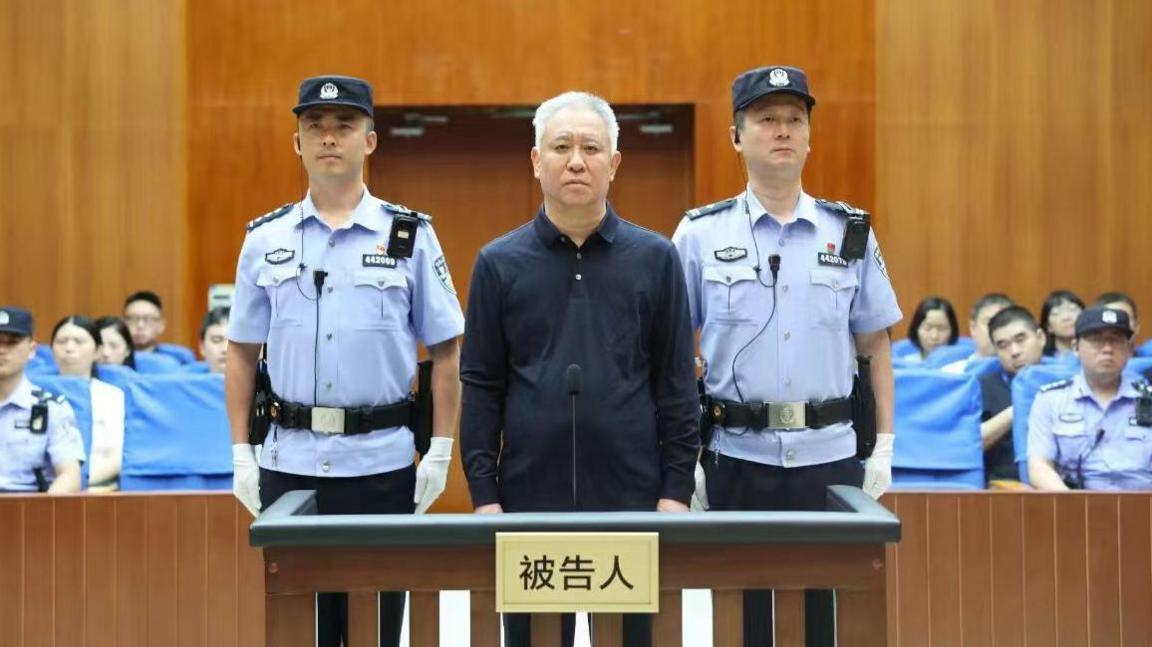
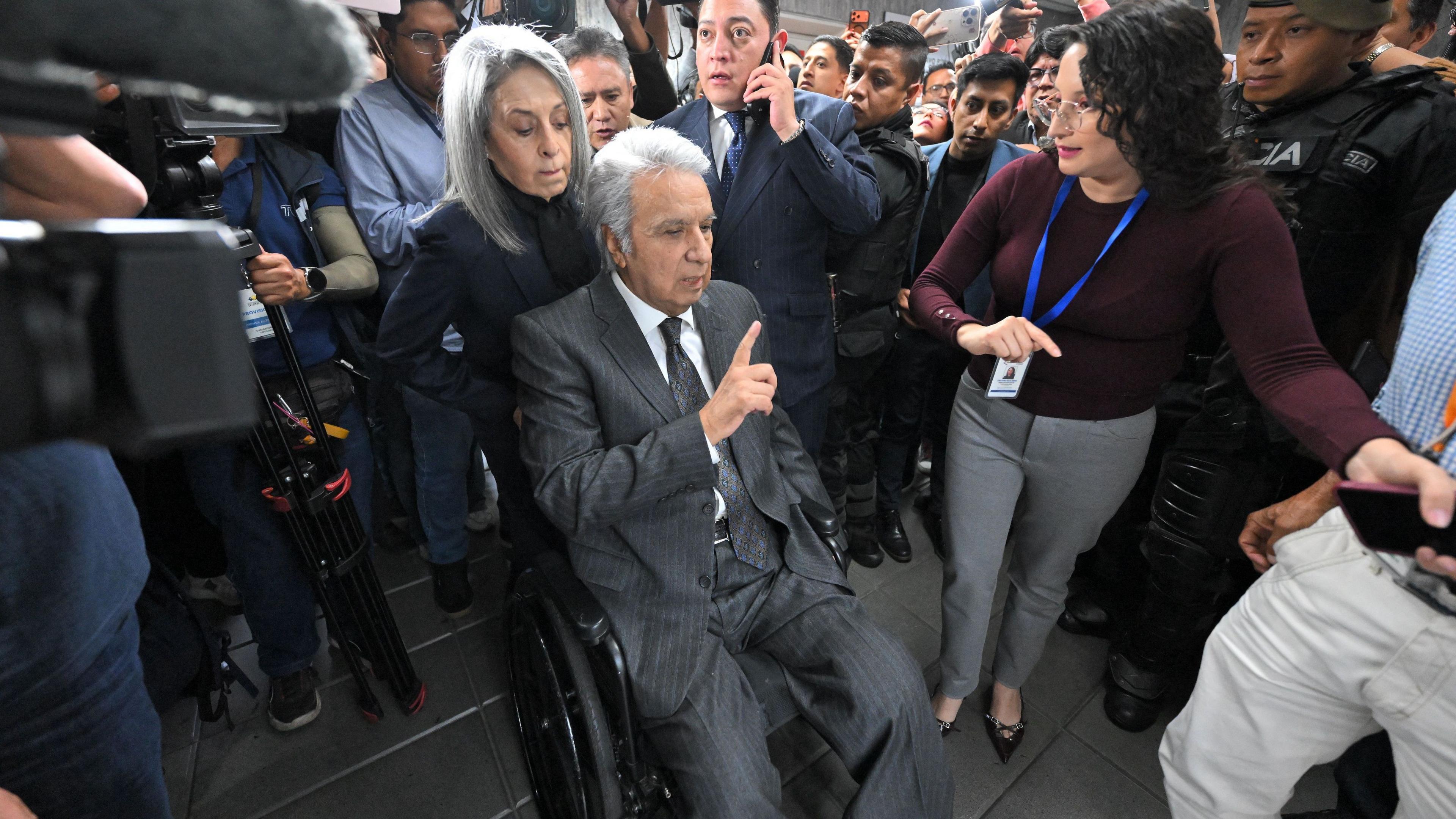
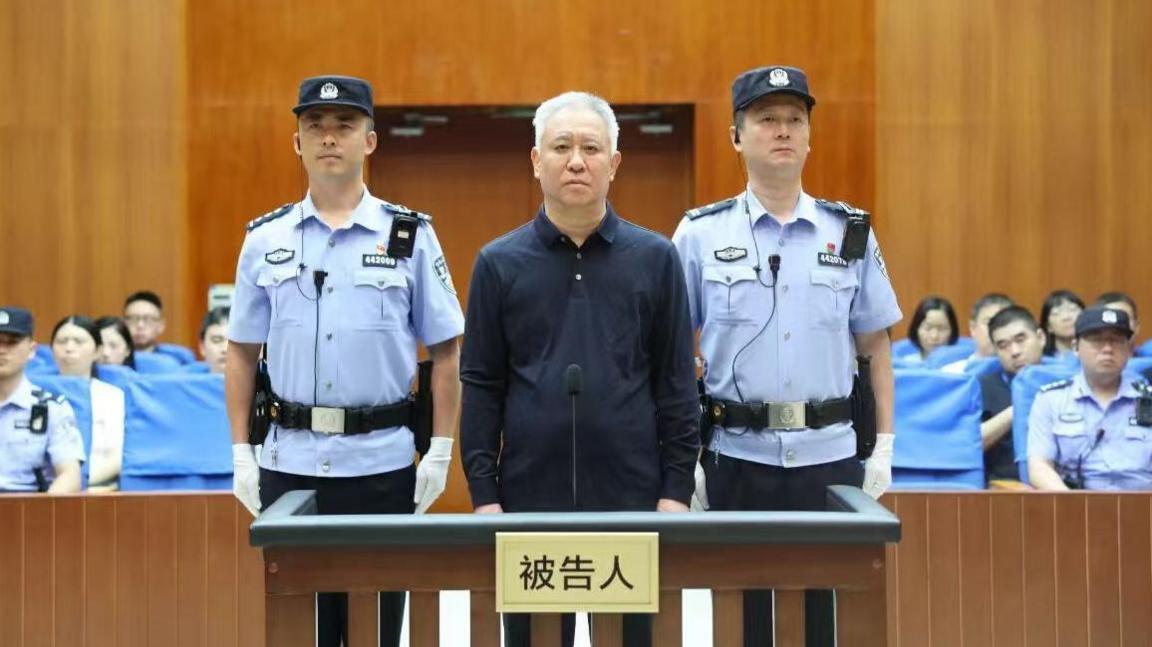
Hui Ka Yan, the man behind China’s once‑dominant developer Evergrande, was handed a life‑term sentence by Shenzhen’s Intermediate People’s Court. He pleaded guilty to several fraud and bribery charges, and the court ordered the confiscation of all his personal assets and a fine of 8.82 billion yuan (£960 million).
The ruling is a landmark moment in the fallout from the firm’s 2021 insolvency, which sent shock waves through Beijing’s real‑estate sector and rattled domestic banks worldwide. The case highlights how the aggressive borrowing models that drove Evergrande’s meteoric rise also created an environmental canary in the coal mine: hundreds of unfinished projects were left abandoned, generating massive waste and yet‑unused mortgage debt.
China’s recent policy clamp‑down on real‑estate debt, introduced in 2020, aimed to curb debt risks but also encouraged developers to shift toward more sustainable, green‑building practices. However, Evergrande’s collapse revealed that even well‑intended reforms can falter when unchecked speculative expansion and short‑term financing dominate.
The court’s decision imposes a lifetime ban on Hui’s participation in China’s capital markets, effectively stopping future attempts to raise funds for questionable projects. Analysts say this shift could accelerate the transition toward environmentally responsible construction, as new regulations now favor ecological certifications and green finance mechanisms.
The sentence is a stark reminder that real‑estate development is not only a financial endeavour but also a social and environmental one. The collapse of Evergrande has led to uncertainty for billions of buyers and raised urgent questions about the need for a more resilient, climate‑oriented approach to property development in China.