In brief
Chinese teenagers are turning to prescription medicines—first cough suppressants, then pain and anti‑epileptic drugs—to numb the anxiety of relentless academic pressure. A 14‑year‑old named Xiaomei once overdosed on cough tablets online, later turning to higher‑dose medications that blurred reality and jeopardised health. Schools now report widespread use of “pharmaceutical highs” among chat groups, prompting authorities to tighten controls, but the deeper issue is a dearth of mental‑health support and open family dialogue. The Chinese government’s 2026 policy aims to provide counsellors in every school and psychiatric services county‑by‑county, yet gaps in child psychiatrists persist. Xiaomei’s story illustrates the urgent need for systemic mental‑health resources and parental training to help teens cope without drugs.
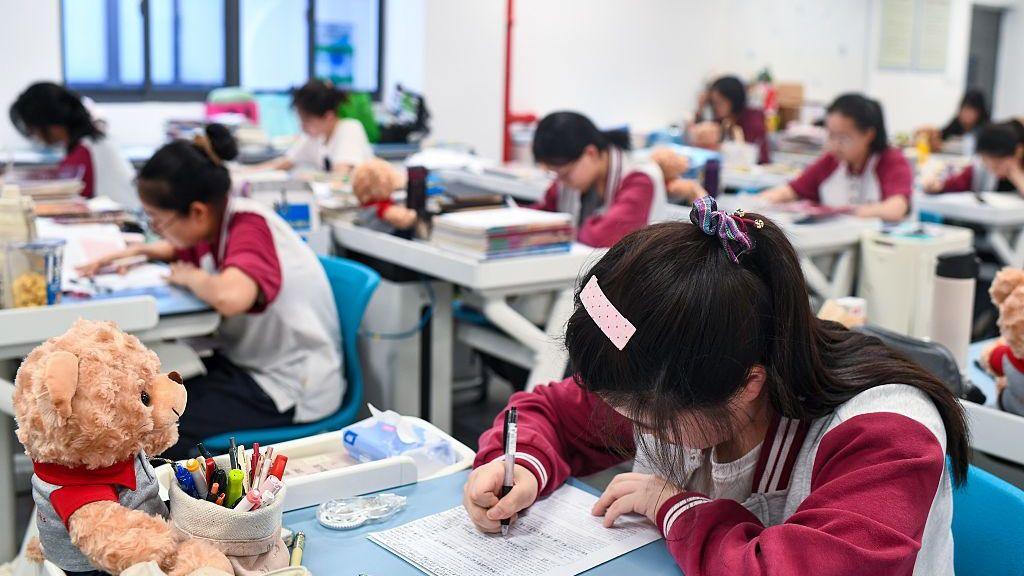
The roar of an exam hall in Beijing echoes the story of a 14‑year‑old girl named Xiaomei, who once overdosed on cough medication to find a brief escape from her study‑driven life. She bought the tablets online, chasing the numb feeling the older boy in her circle claimed would relax her. After the initial dizziness, she added pain relievers and anti‑epileptic drugs, taking up to ten tablets a time.
“When exam pressure knocks, or I don’t do well, I take these drugs,” she confided to the BBC. “I was running away from reality.” Her story is echoed in dozens of chat rooms across China, where teens discuss routes to a “pharmaceutical high” amid an ecosystem of high‑stakes testing, elite boarding schools and a culture that equates academic success with family honour.
The government classified the cough suppressant Xiaomei used as a psychotropic, limiting online sales, but it is easy for teens to steal drugs from relatives or buy pirate prescriptions for new medications. Even after tighter controls on pain relievers in April, chat groups offered recipes to mix drugs for hallucinations, with prices as low as 10 yuan (US$1.5).
Chinese data show a sharp decline in drug users under 35 since 2025, yet the Ministry of Justice reports that misuse of prescription drugs among minors is “surging.” In 2023 a study warned that more than 95 million adults suffered depression, and 30% of them were under 18 – a figure that explains why a new wave of mental‑health policy is urgent.
The State Council set a 2030 target: a nationwide network of counsellors, county‑level psychiatric hospitals and more child psychiatrists. Currently, 92% of primary schools and 95% of junior middle schools have a counsellor, but only 500 trained child psychiatrists exist, most stationed in Beijing and Shanghai.
Yu Jian, a sociologist at the Max Planck Institute for Social Anthropology, points to the disconnection between parents and teenagers. “Many parents think that a failure in school is a disaster, which leaves teens to feel isolated,” he says.
With the pandemic, Chinese graduates face bleak employment prospects that compound stress. Xiaomei’s parents finally listened after her overdose. “We didn’t scold, we simply asked how she felt,” their conversation reveals. The open dialogue helped restore her confidence for the national college entrance exam.
However, many adolescents lack such family support. 22‑year‑old Lu Jingchan, once trapped by prescription‑drugs, now urges young people to seek help rather than numbing themselves: “The drugs drive you to madness. I want you to face life head‑on.”
Mental‑health ministries warn that the simplest solutions lie not in cracking down on internet pharmacies, but in fostering open communication and robust counselling infrastructure. The Chinese cases underscore a broader global trend: when psychological support is missing, children turn to medication while the pressure they feel remains unaddressed.