In brief
In a significant move for the financial landscape of the United States, the U.S. Mint will produce its last penny, cancelling a coin that has been in circulation since 1793 due to rising costs that exceed its value. Many merchants are scrambling to adjust to the changes, raising concerns about transaction processes without the low-value coin. While some still hold on to the penny as a nostalgic item, experts predict this phase-out may lead to more streamlined transactions, despite concerns about how it will affect daily commerce.
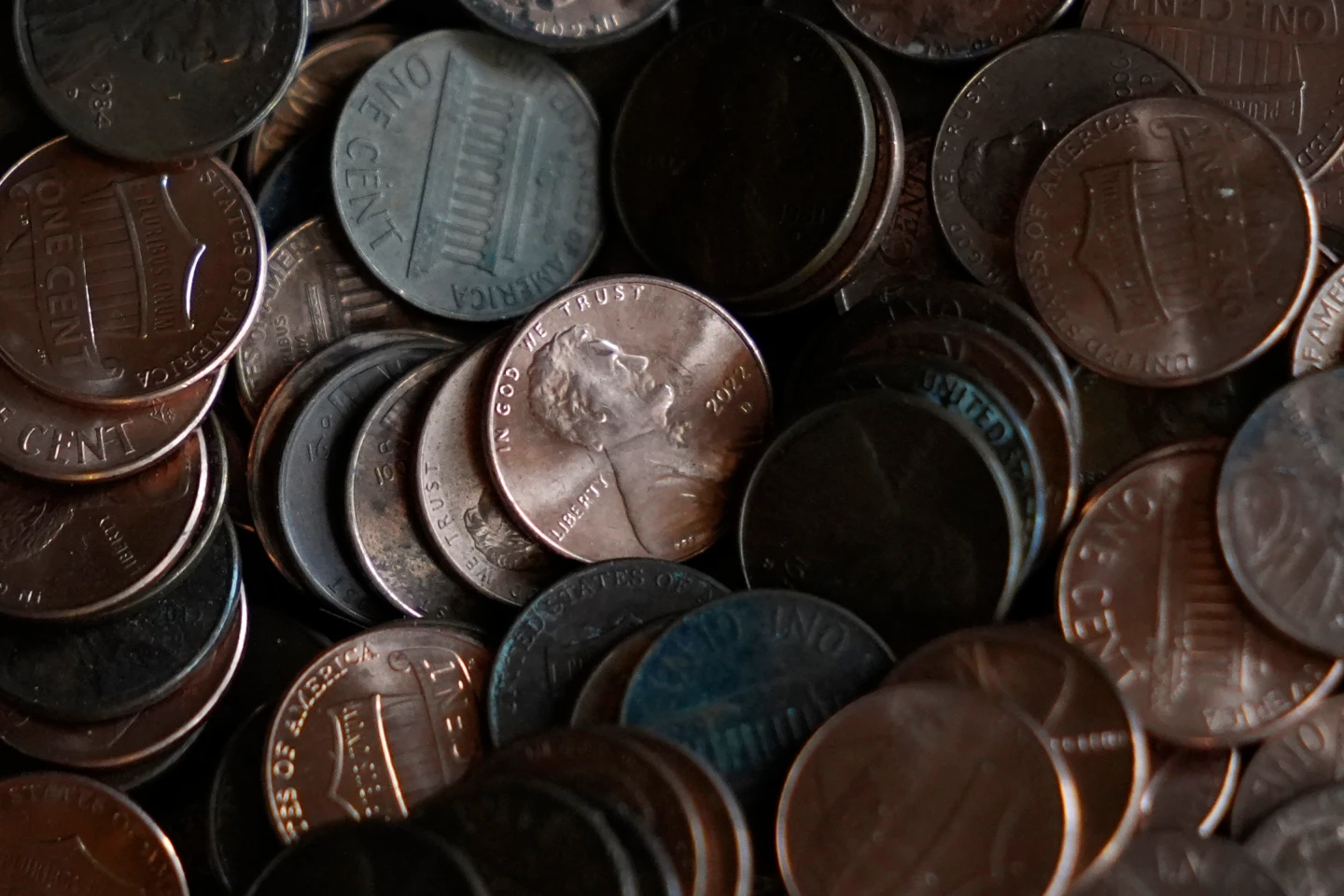
The U.S. Mint in Philadelphia is preparing to strike its last penny this week, marking a significant transition in American currency. The decision comes as production costs have risen to nearly 4 cents per coin, a figure that eclipses the coin’s 1-cent value.
President Trump's administration initiated the cancellation of the penny, emphasizing the financial waste in continuing its production. The penny's historical relevance dates back to 1793, originating shortly after the Coinage Act was passed by Congress. Despite billions of pennies currently in circulation, their necessity in exchanges has diminished due to evolving economic practices.
As the final swell of penny production approaches, retailers have expressed concerns over the abruptness of this transition, with calls for clearer guidance on handling transactions amidst dwindling supplies. Many have already implemented workarounds, either asking customers for exact change or offering incentives for coins.
However, not everyone is ready to part with the penny, and public sentiment appears mixed; while some enthusiasts appreciate the nostalgia of the small coin, others see this as an outdated relic in a modernizing economy.
The cessation of penny production is projected to save the Treasury an estimated $56 million annually, reinforcing a pragmatic shift towards a more efficient currency system. Although the nickel also faces similar production cost issues, its current role is deemed essential and thus will continue.