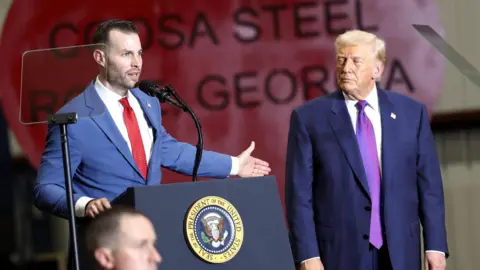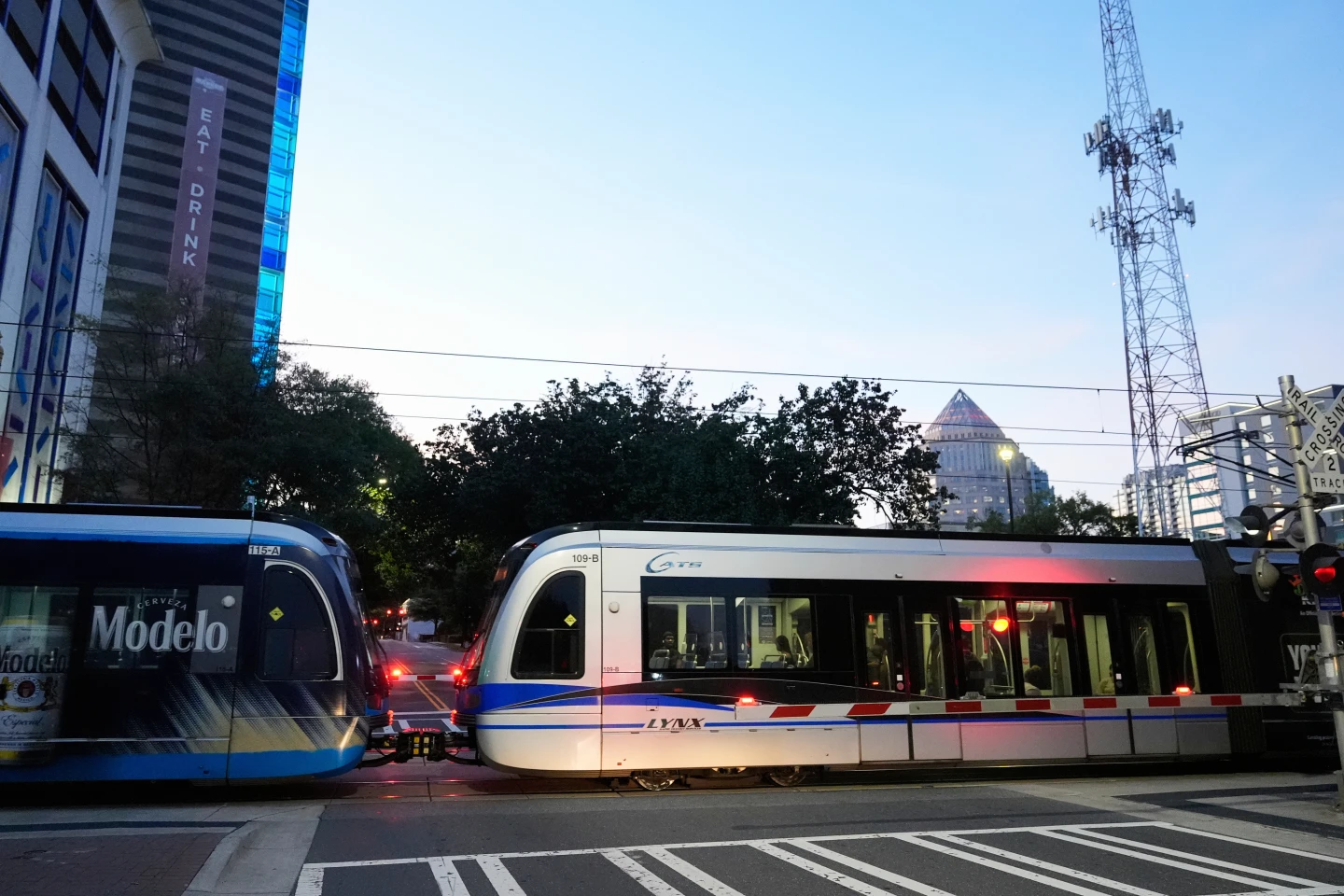
CHARLOTTE, N.C. — A North Carolina man, Oscar Solarzano, has been ordered to be held without bond following a stabbing incident on a Charlotte commuter train that left a young man injured. The situation drew attention from national political figures, including former President Donald Trump, who criticized the suspect's undocumented status.
The stabbing occurred during a dispute where Solarzano allegedly attacked 24-year-old Kenyon Kareem Dobie. In response to Solarzano's actions, Judge Keith Smith has scheduled a hearing for December 30.
Details from the court reveal that Solarzano, who had been previously banned from the transit system, has a criminal record of robbery and illegal reentry into the U.S. He has been deported twice according to the Department of Homeland Security (DHS), which has also lodged a detainer with local authorities amid ongoing immigration enforcement in the region.
Attempts by reporters to contact Dobie were unsuccessful, but he has publicly stated that he intervened during the incident to protect an elderly woman from being yelled at by Solarzano. In a social media post from his hospital room, Dobie expressed that he was not trying to be a hero but felt compelled to act against unwarranted aggression.
The incident comes in a troubling context, as it follows another stabbing attack on the same transit system that resulted in the death of Iryna Zarutska, a Ukrainian refugee, earlier this year. This pattern of violence has led city officials to enhance security protocols.
City leaders, including Mayor Vi Lyles, highlighted their commitment to ensuring public safety on the transit system, emphasizing prior investments in security and ongoing collaborations with law enforcement and private security agencies.
Brent Cagle, the interim CEO for the Charlotte Area Transit System (CATS), assured that additional measures, such as employing more police personnel and introducing new safety technologies, are underway to protect passengers.
The ongoing dialogue surrounding these incidents raises critical issues regarding crime, public safety, and the complexities of immigration laws, reflecting broader societal challenges faced in urban settings.