U.S. envoy Steve Witkoff has announced the start of phase two of President Donald Trump's plan to end the war in Gaza, with a technocratic Palestinian government established in the territory.
Under phase one, Hamas and Israel agreed to a ceasefire in October, alongside a hostage-prisoner exchange, a partial Israeli withdrawal, and an aid surge.
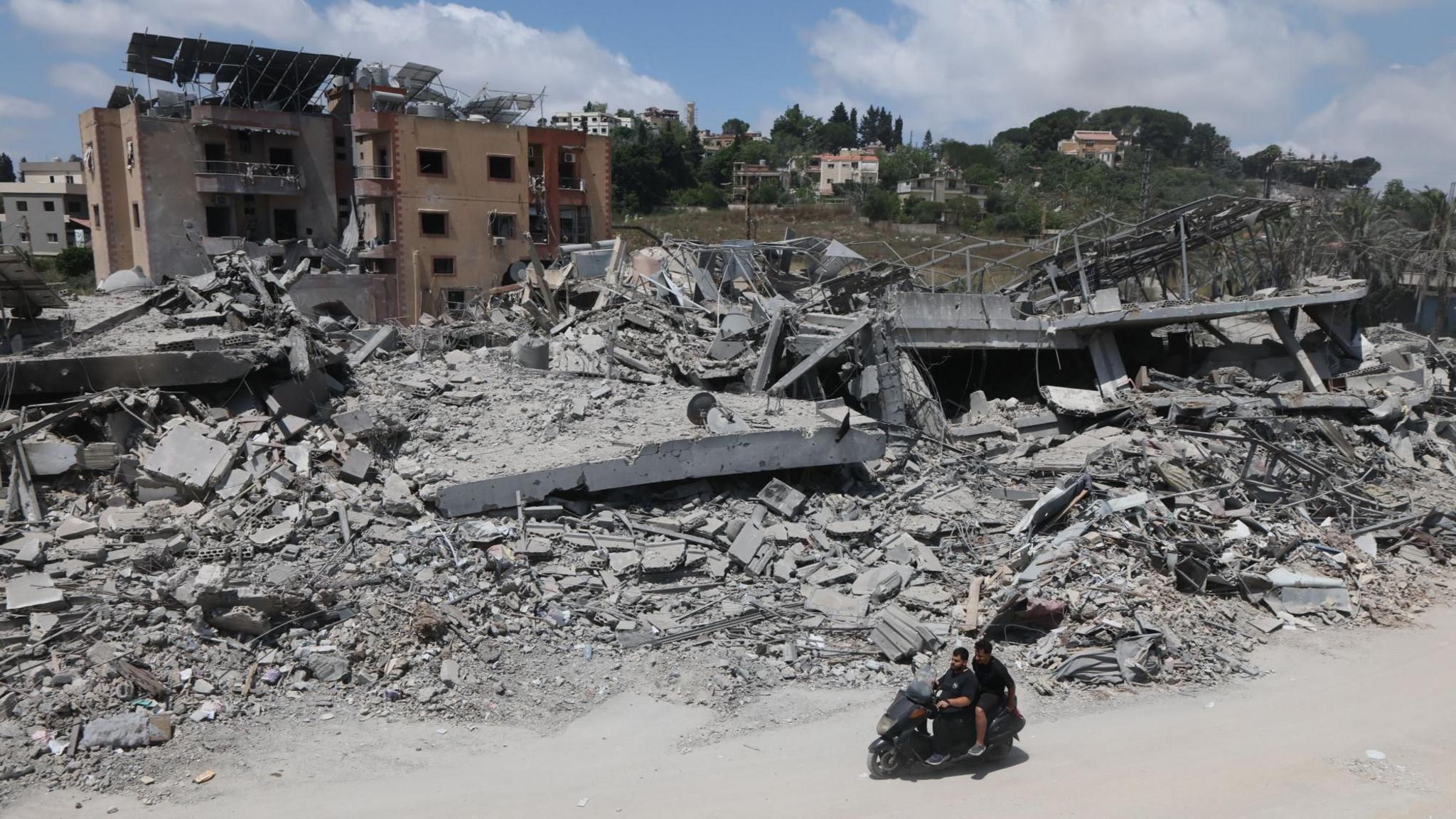
Witkoff mentioned that phase two would also see the reconstruction and full demilitarization of Gaza, including the disarmament of Hamas and other Palestinian groups. The U.S. expects Hamas to comply fully with its obligations, he cautioned, emphasizing the return of the body of the last dead Israeli hostage as a critical requirement.
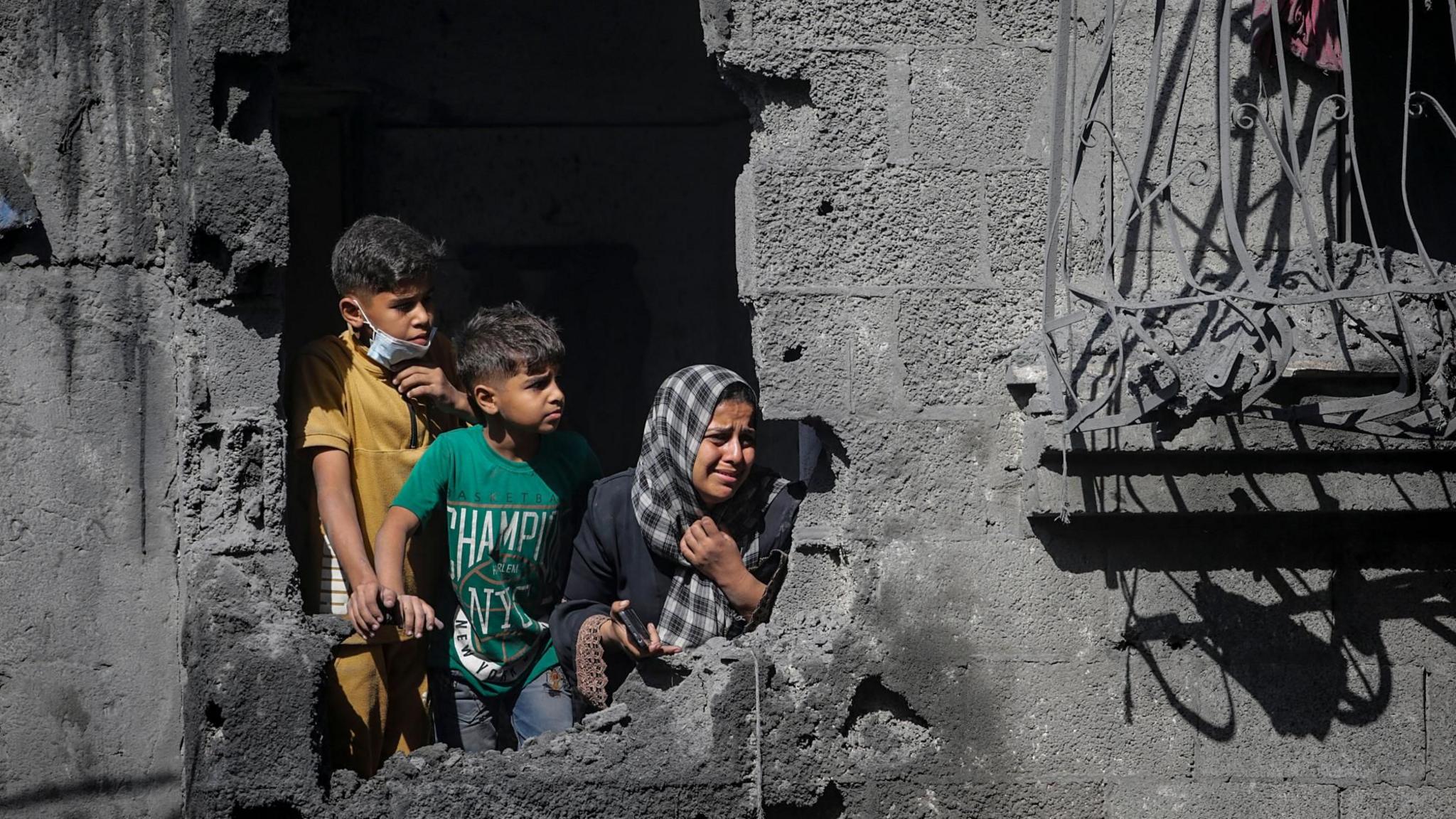
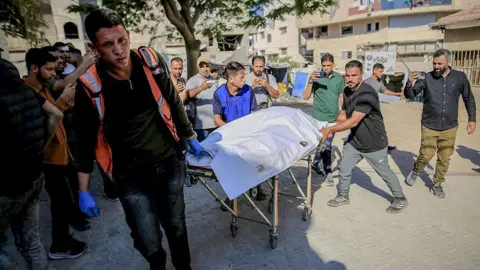
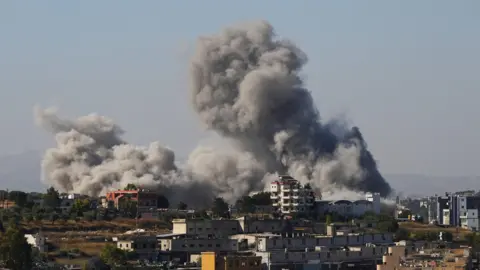
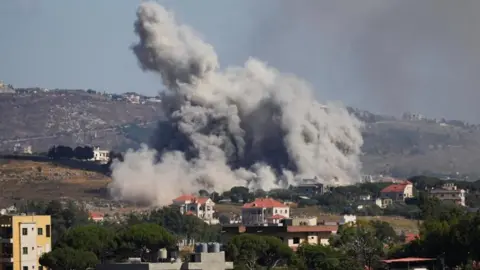
However, two key points of phase two could be problematic. Hamas has previously refused to give up its weapons without the establishment of an independent Palestinian state, and Israel has not confirmed a complete withdrawal from Gaza. The ceasefire remains fragile, with numerous violations reported, and humanitarian conditions in the territory continue to be dire.
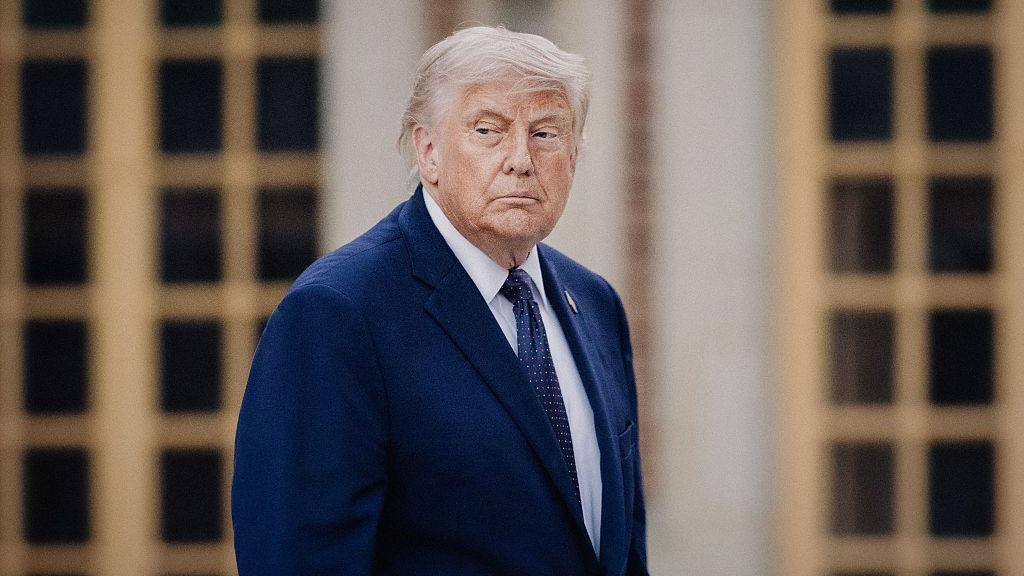
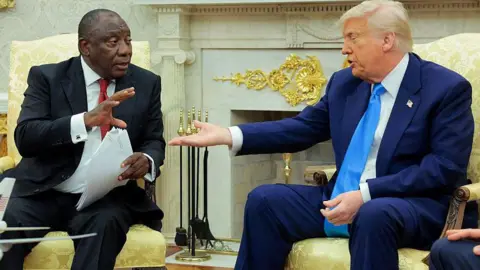
Witkoff stated that the transitional technocratic government will be called the National Committee for the Administration of Gaza (NCAG), aimed at enhancing stability and improving humanitarian conditions. This committee will operate under the supervision of a planned Board of Peace, which will be chaired by Trump himself.
Regional mediators Egypt, Qatar, and Turkey have welcomed the formation of this technocratic committee, believing it will benefit the humanitarian situation in Gaza. Nonetheless, the success of this vital phase hinges on collaboration and support from various Palestinian factions, amidst ongoing struggles for power and authority between rival political groups.
The Israeli government has asserted that the return of the last hostage, Ran Gvili, is a top priority, complicating the peace negotiations further as they urge for compliance for further actions under the peace plan.