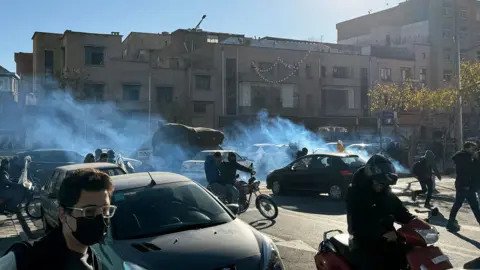
Iran is no stranger to street protests, but several factors surrounding the current unrest make it very serious.
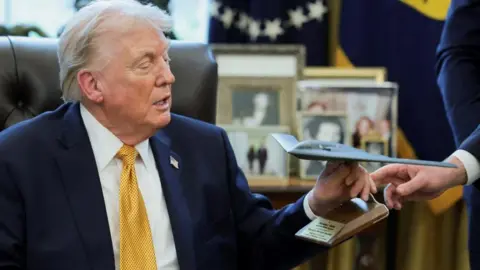
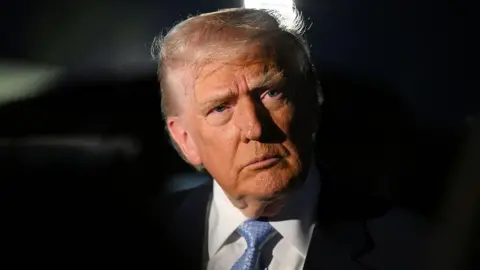
The demonstrations have now gone on for nine days, prompted by public anger over soaring inflation and a collapsing currency that has seen the rial lose significant value against the US dollar. President Trump has delivered direct warnings to Iranian leaders regarding their treatment of protesters, an unusual move that may embolden demonstrators.
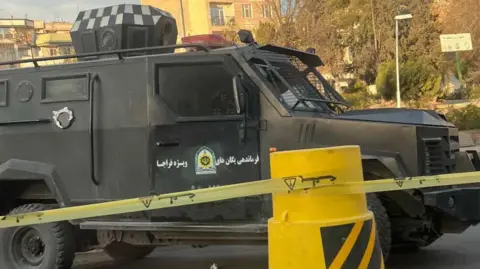
Violence has erupted as police and security forces react to the unrest, resulting in reports of over 20 fatalities. As protests pivot from economic demands to political calls for the removal of the Islamic Republic, the government's vulnerability is being tested like never before.
International sanctions, particularly from the US, play a significant role in the ongoing economic crisis, exacerbating inflation that has reached 42% overall, with food prices skyrocketing even higher. At the same time, cases of corruption among elite officials have fueled public anger.
Merchants in Tehran's Grand Bazaar were among the first to protest, demanding government intervention to stabilize the economy as they were most affected by currency fluctuations. Now, calls for broader political change have gained momentum, echoing previous large-scale protests that followed the death of Mahsa Amini in 2022.
While the current protests have not yet reached the scale of the earlier demonstrations, they illustrate a critical moment for Iran's leadership, pressured internally by unrest and challenged by a changing regional landscape. Observers fear the situation may escalate further, testing the regime's stability in unprecedented ways.