Courts in Tennessee and West Virginia are set to hear arguments on the controversial deployment of the National Guard, reflecting the legal complexities tied to President Trump's enforcement efforts across the nation.
On one front, in Tennessee, Davidson County Chancellor Patricia Head Moskal will address a lawsuit contending that Republican Governor Bill Lee overstepped his authority by mobilizing the National Guard for civil unrest in Memphis without legislative consent. Since arriving on October 10, these troops have patrolled neighborhoods yet lack arrest powers, stirring a debate on their role in urban law enforcement.
Tennessee Court to Decide on Guard Legitimacy
Local Democratic officials assert that Lee’s actions contravene both state laws and the requirements for deploying the National Guard—namely, that it must be during a state of rebellion or under direct legislative approval. Meanwhile, Democratic Mayor Paul Young emphasizes that he did not request the Guard, prompting widespread concern about federal intervention in city policing.
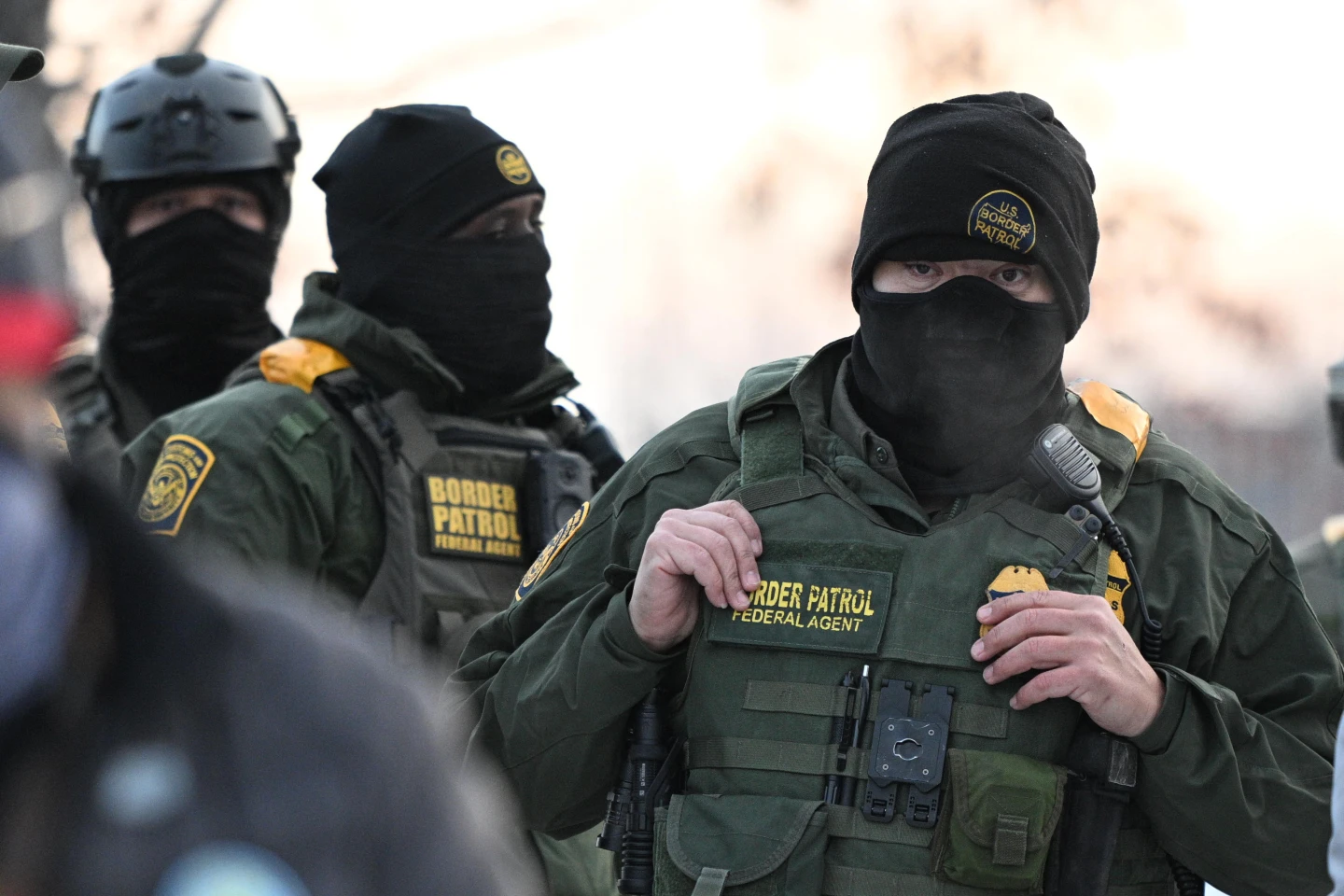
Since the arrival of federal agencies along with the National Guard, the U.S. Marshals Service has reported over 1,500 arrests, focusing on severe crimes such as homicide, drug trafficking, and immigration violations, raising questions about civil liberties concerns amid community safety narratives.
West Virginia's Legal Challenge on Deployment
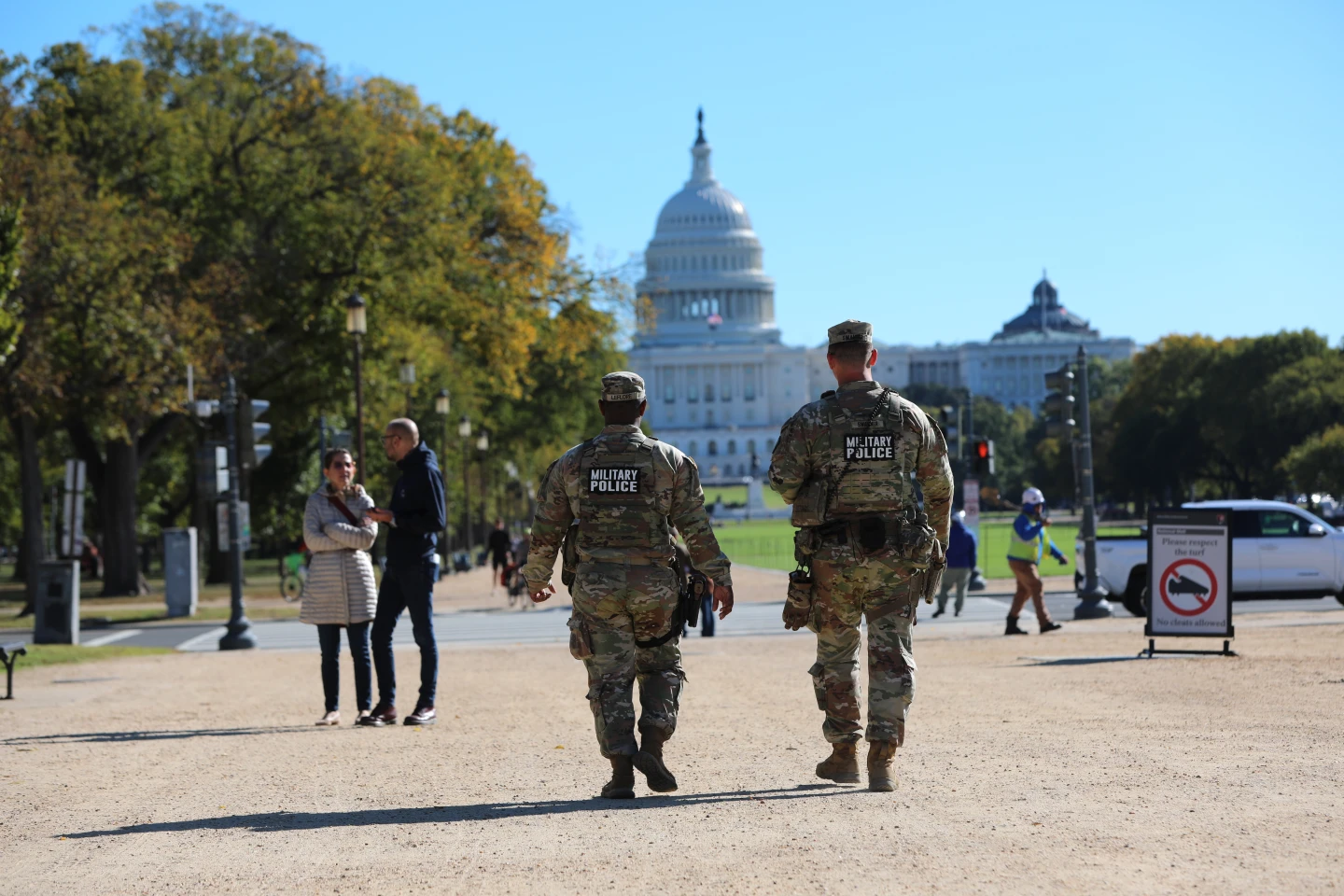
In West Virginia, a civic organization is challenging the deployment of up to 300 National Guard members to Washington, D.C., alleging that Governor Patrick Morrisey has exceeded state authority. The deployed Guard is part of an initiative that coincides with a federal order from Trump, asserting a crime emergency despite official reports indicating that violent crime has hit a 30-year low in the capital.
The ongoing legal discourse extends to another court challenge, where U.S. District Judge Jia Cobb contemplated an order to remove National Guard personnel from the streets of Washington amidst claims from local authorities concerned about public safety and legality of military presence.
The implications of these legal proceedings are significant as they could set precedents for the deployment of military resources in state governance and local law enforcement, stirring broader debates on civil rights and government accountability in the face of rising federal authority.